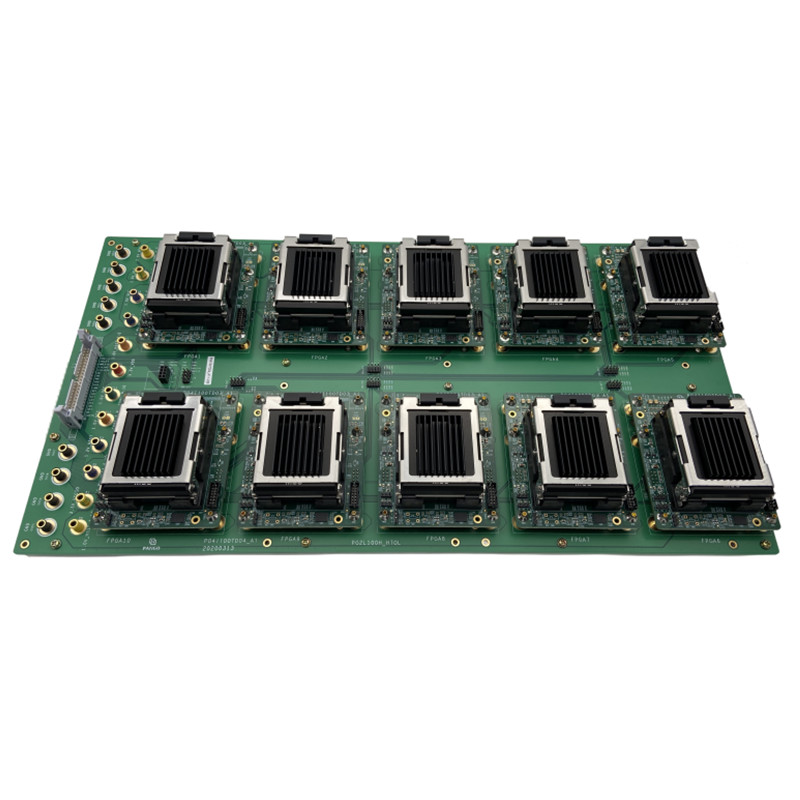
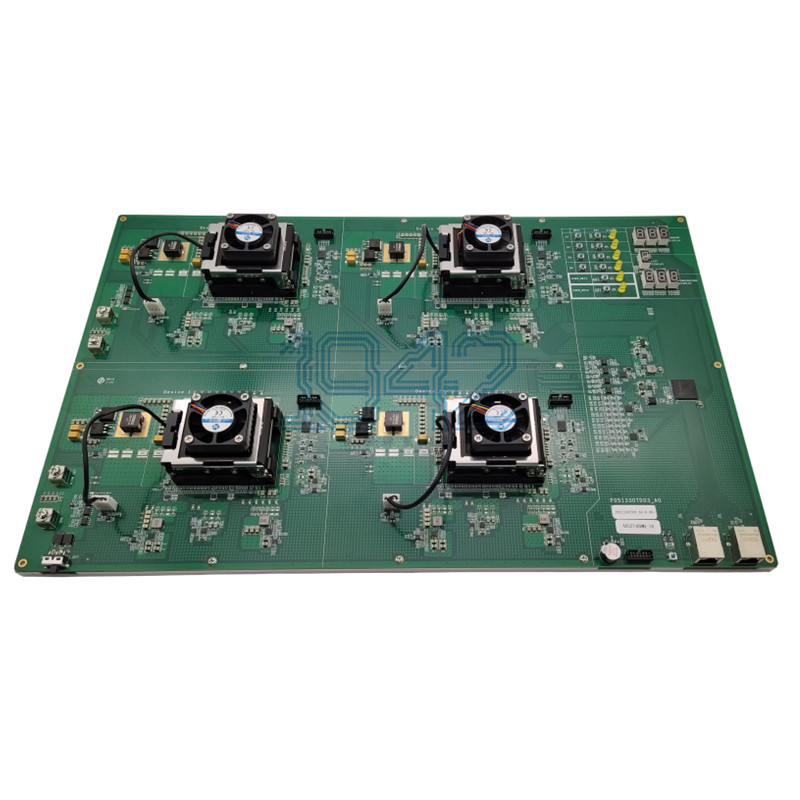
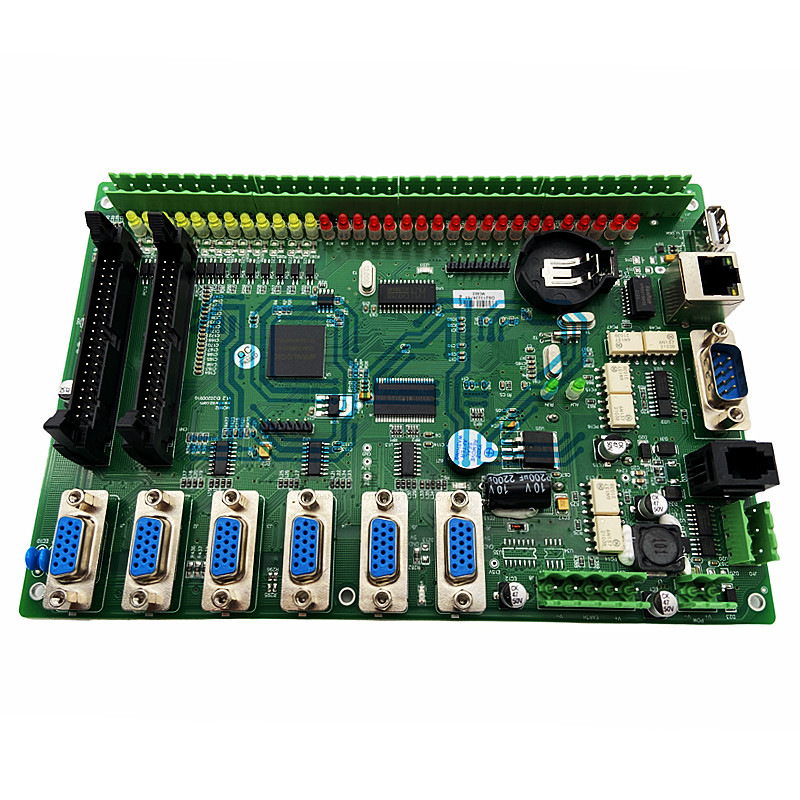
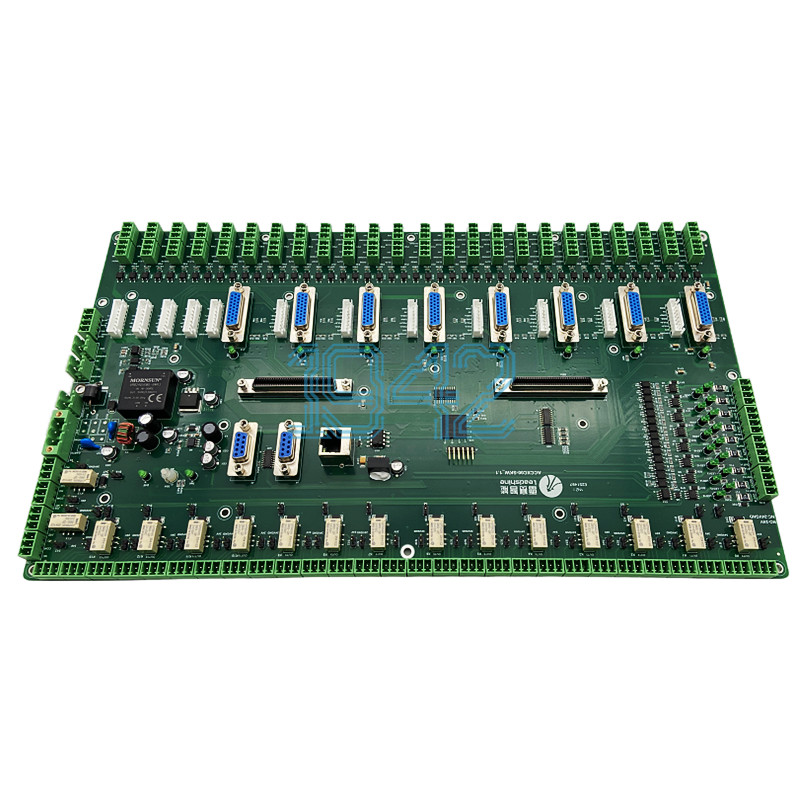
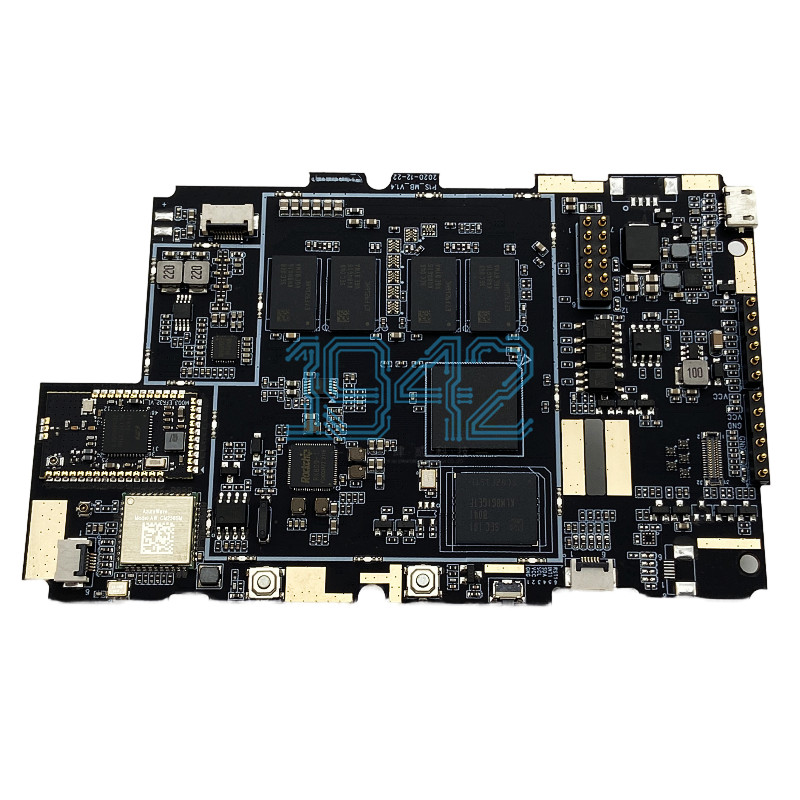
Point:369
Components type:76
PCB size: 395*281
Minimum package size of resistance capacitance sensing: 0402
Minimum device pin spacing:0.5
Welding mode:Reflow soldering + Selective wave soldering
Manufacturing process: PCB producing + components procurement + assembly
Field Programmable Gate Arrays (FPGAs) are programmable semiconductor devices designed to implement customized digital logic without the need for dedicated ASIC development. Their hardware architecture can be reconfigured to support changing functional requirements, making FPGA technology suitable for products that require flexibility, high processing performance, and long service life. FPGA-based designs are widely used in industrial control systems, communication infrastructure, medical devices, machine vision, edge computing, aerospace, automotive electronics, and scientific instrumentation.
Manufacturing FPGA-based printed circuit board assemblies requires more than standard PCB assembly capabilities. Devices are commonly packaged in fine-pitch BGA formats with hundreds or thousands of pins, requiring accurate stencil design, solder paste control, placement precision, thermal profile management, and comprehensive inspection throughout the production process. High-speed interfaces, multilayer PCB structures, controlled impedance routing, and multiple power domains also introduce additional manufacturing requirements that must be considered during assembly.
1943 Technology provides integrated PCBA manufacturing services for FPGA-based products, supporting projects from engineering samples through volume production. Manufacturing services include PCB fabrication, electronic component sourcing, SMT assembly, THT/DIP assembly, X-ray inspection, AOI, ICT, functional testing, conformal coating, mechanical assembly, final packaging, and logistics coordination. Production processes are managed under documented quality procedures to maintain consistency across different manufacturing stages.
For newly developed products, PCBA New Product Introduction (NPI) services provide the transition between engineering development and stable production. Rather than focusing only on prototype assembly, the NPI process establishes manufacturing standards that can be applied throughout the product lifecycle.

During the NPI stage, the complete production flow is evaluated to determine whether each manufacturing process can support future volume production. This includes PCB fabrication, SMT placement, through-hole assembly, soldering processes, electrical testing, product assembly, packaging methods, and protection measures during transportation. Process verification helps identify manufacturing risks before production capacity is expanded.
Material evaluation is another important part of NPI. Components are reviewed for availability, lifecycle status, sourcing options, and supply chain stability. Alternative parts may be assessed where appropriate to reduce procurement risks and improve long-term manufacturing continuity. Early verification of the bill of materials also helps prevent delays caused by component shortages after production release.
Reliability verification is performed alongside manufacturing validation. Assembly quality, solder joint integrity, electrical functionality, and product performance are reviewed to confirm that the design can be manufactured consistently. Manufacturing feedback generated during NPI may also support improvements related to Design for Manufacturing (DFM) and Design for Assembly (DFA), reducing unnecessary complexity before entering serial production.
Project timing is closely linked to manufacturing readiness. Process validation, material verification, and production planning completed during NPI allow engineering and manufacturing teams to identify potential schedule risks at an early stage. Establishing standardized manufacturing procedures before mass production contributes to more predictable production cycles and supports planned product launch schedules.
From prototype builds and pilot production to long-term manufacturing programs, 1943 Technology provides a complete PCBA manufacturing workflow for FPGA applications. Engineering, procurement, quality control, and production teams work together throughout the project to ensure manufacturing consistency, process traceability, and stable production performance across different order volumes.
Let the products quickly and stably realize marketization and become the global electronic intelligence innovation enabler