Accelerating Your Product from Concept to Scalable Manufacturing
At 1943 Technology, our PCBA New Product Introduction (NPI) services are designed to transform innovative designs into production-ready electronic assemblies with speed, precision, and risk control. We bridge the critical gap between engineering development and volume manufacturing, ensuring your product enters the market smoothly and competitively.
Our NPI process begins with a comprehensive engineering review, where our cross-functional team evaluates design files, BOM structures, and manufacturing requirements. Through early-stage DFM (Design for Manufacturability) and DFA (Design for Assembly) analysis, we identify potential risks, optimize layout compatibility, and enhance production stability before the first build.
Key engineering support includes:
PCB file review (Gerber, ODB++, BOM validation)
DFM / DFT (Design for Testability) analysis
Component package and footprint verification
Process risk assessment and yield prediction
Cost optimization recommendations
By resolving issues in the prototype stage, we significantly reduce iteration cycles and prevent costly production delays.
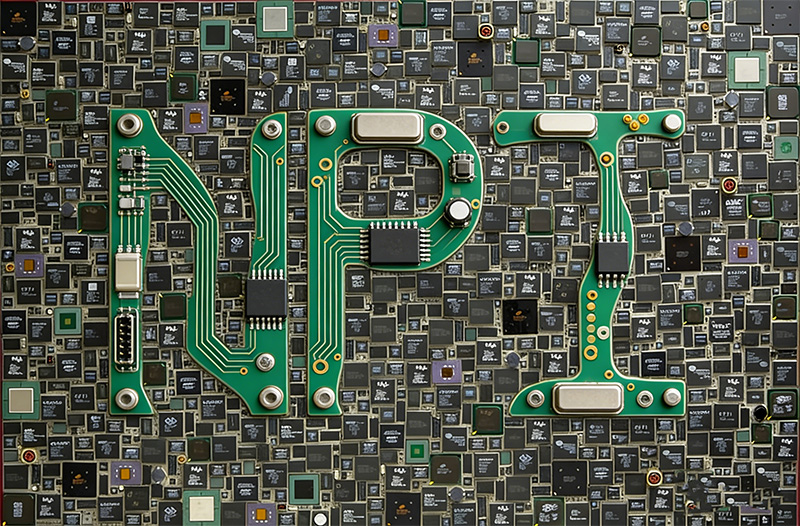
Speed is critical in new product launches. Our NPI line supports fast-turn PCBA prototyping and small-batch pilot runs under controlled manufacturing conditions. This allows customers to validate electrical performance, mechanical integration, and functional reliability before scaling up.
We provide:
Dedicated NPI production line
Quick material sourcing support
Flexible scheduling for urgent projects
Real-time engineering feedback
Full process traceability
Each pilot build is carefully documented to create a stable and repeatable mass production baseline.
Transitioning from prototype to mass production requires more than just scaling volume. It demands process validation and quality assurance discipline. Our NPI program includes:
Process parameter validation
First Article Inspection (FAI)
AOI, X-ray, and functional test verification
Reliability and aging test coordination (if required)
Pilot yield analysis and improvement planning
This structured approach ensures that once your product moves into mass production, it performs consistently across every batch.
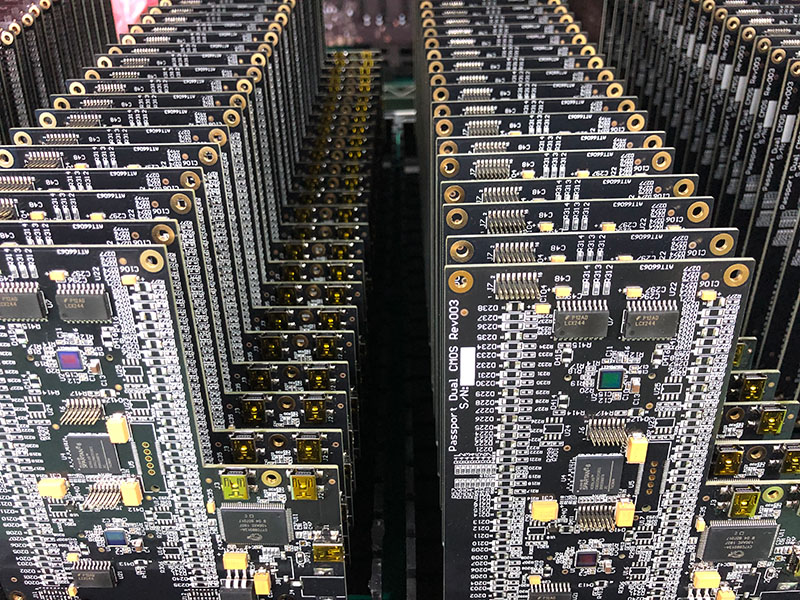
One of the most critical advantages of our NPI service is the seamless integration with our full-scale SMT and PCBA manufacturing operations. Engineering documentation, test fixtures, process parameters, and quality control standards are fully transferred and standardized before ramp-up.
The result:
Faster time-to-market
Controlled manufacturing costs
Stable product yield
Reduced supply chain risk
Experienced cross-functional engineering team
Strong DFM/DFT capability
Flexible support for complex and high-mix projects
Transparent communication throughout development
Scalable production infrastructure
We do not simply assemble boards — we build manufacturing strategies around your product.
Please click the question to get the answer.
The purpose of NPI is to ensure a systematic and efficient process for introducing new electronic products to the market. It involves planning, development, and execution stages aimed at optimizing product quality, minimizing time-to-market, managing costs, and meeting customer demands.
The key stages in NPI typically include ideation, concept development, design, prototyping, testing, manufacturing, marketing, and finally, product launch. Each stage involves distinct activities crucial for the successful introduction of the product.
NPI significantly influences product development by streamlining processes, encouraging innovation, ensuring product quality, and enhancing cross-functional collaboration. It enables faster iterations, better risk management, and aligns the product with market needs.
Testing in NPI is critical for validating product functionality, identifying and rectifying defects, ensuring compliance with standards, and gauging user experience. It helps in enhancing product reliability, performance, and customer satisfaction before the product reaches the market.
NPI can significantly impact time-to-market by optimizing processes, minimizing delays, and expediting product development cycles. Efficient NPI practices reduce the time needed for product ideation, development, and launch, enabling companies to seize market opportunities promptly.
Challenges during NPI may include managing complex supply chains, dealing with rapid technological changes, aligning with evolving customer expectations, ensuring regulatory compliance, controlling costs, and addressing unexpected technical issues that may arise during product development.
NPI can influence product cost by optimizing processes, reducing rework, minimizing waste, and ensuring efficient resource allocation. However, initial investments in research, development, and testing might increase costs, but effective NPI strategies aim to control expenses over the product lifecycle.
Collaboration is crucial in NPI as it fosters cross-functional communication, enables knowledge sharing among teams, promotes synergy between departments, accelerates decision-making processes, and ensures a holistic approach to product development, enhancing the chances of success.
Measures for successful NPI involve robust planning, clear objectives, effective communication, cross-functional collaboration, leveraging market insights, meticulous testing, agile development methodologies, risk management, continuous improvement, and responsiveness to customer feedback.
Customer feedback in NPI is invaluable as it provides insights into customer preferences, pain points, and expectations. Integrating customer feedback into the development process allows for creating products that better meet market demands, leading to higher customer satisfaction and improved product success rates.
Let the products quickly and stably realize marketization and become the global electronic intelligence innovation enabler



 2026-06-08