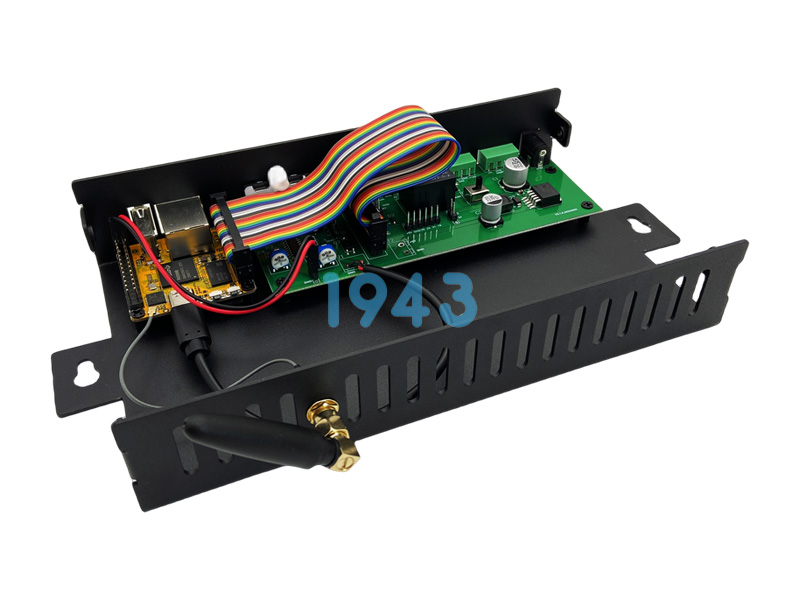
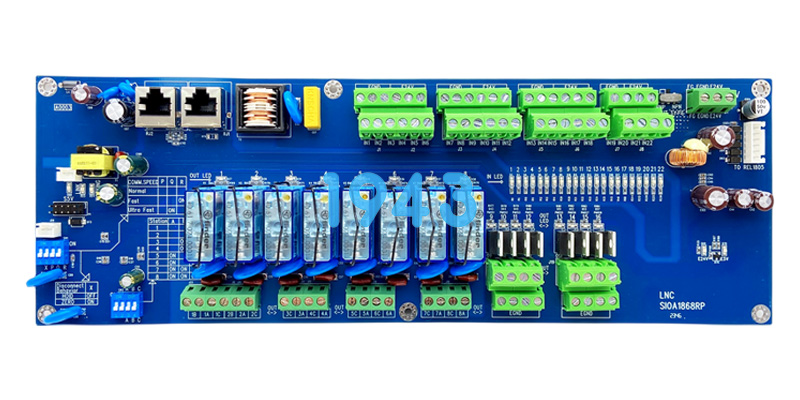
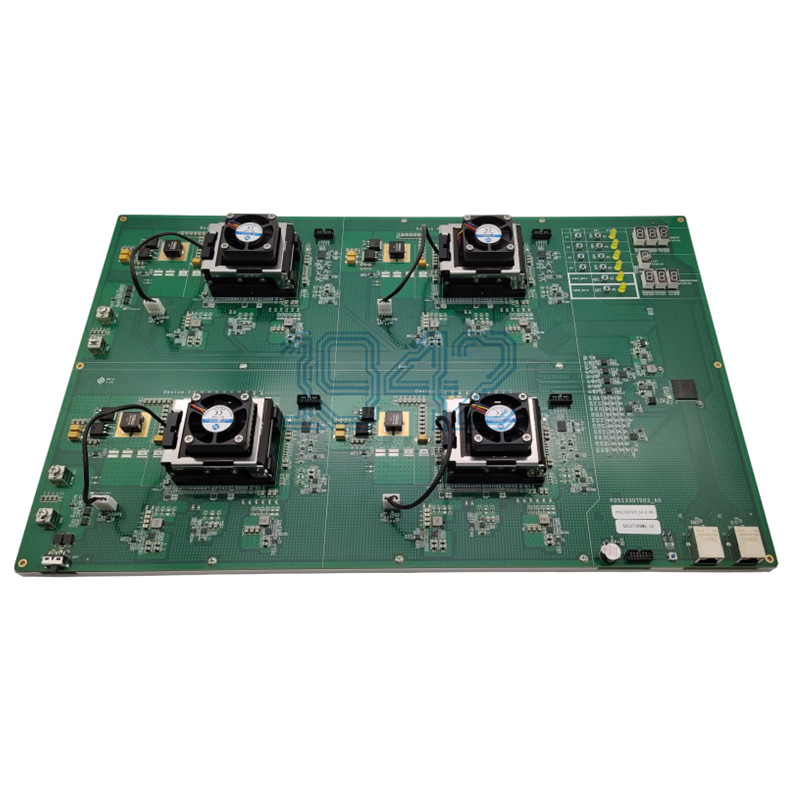
Point:466
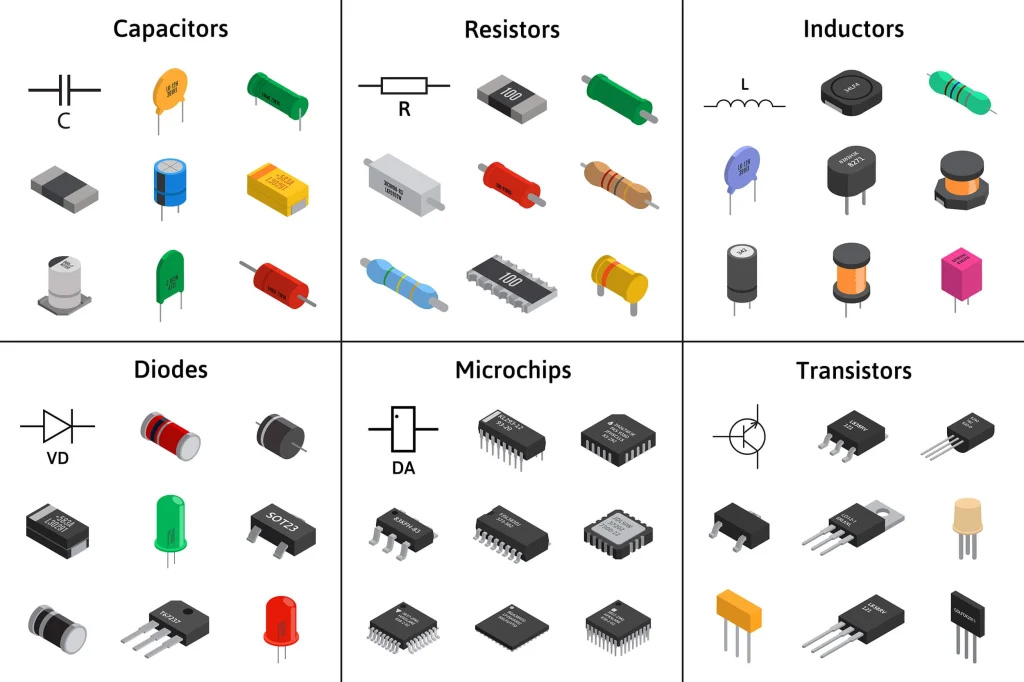
Components type:81
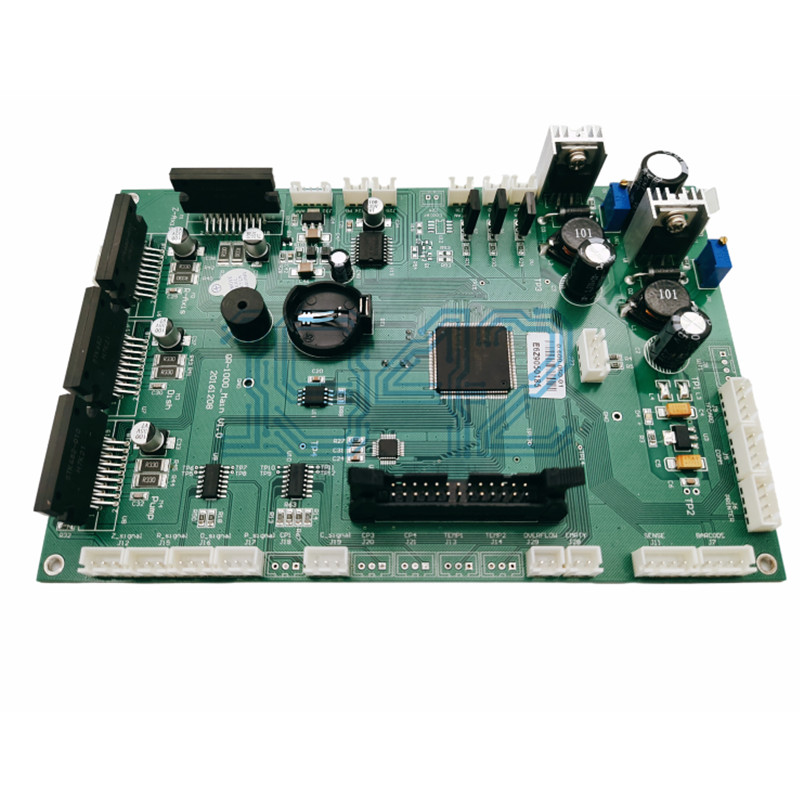
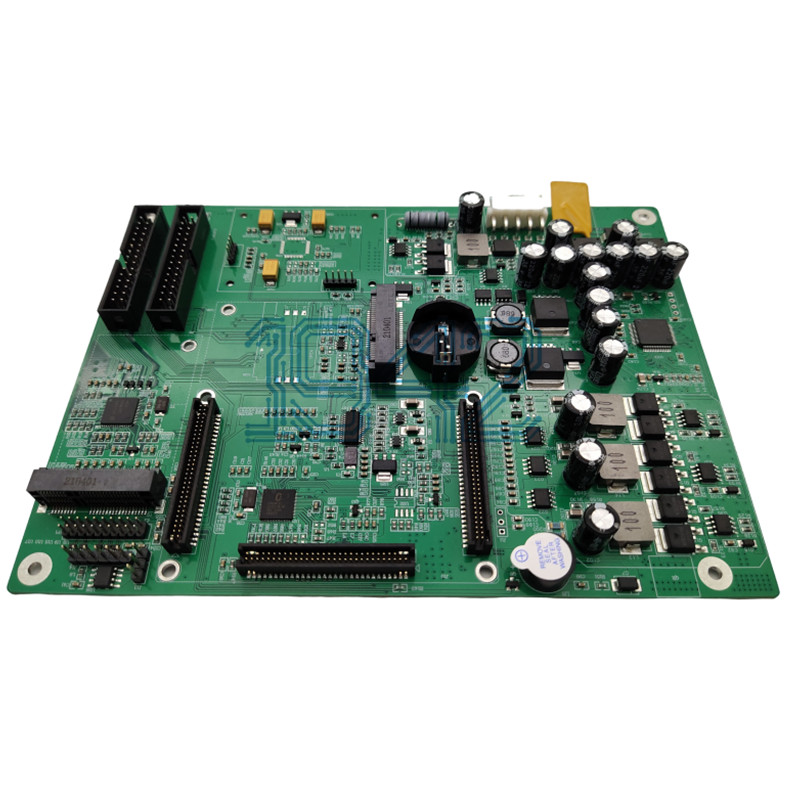
PCB size: 335*242mm
Minimum package size of resistance capacitance sensing: 0402
Minimum device pin spacing:0.5
Welding mode:Reflow soldering for double side + Wave soldering.
Manufacturing process: PCB producing + components procurement + assembly
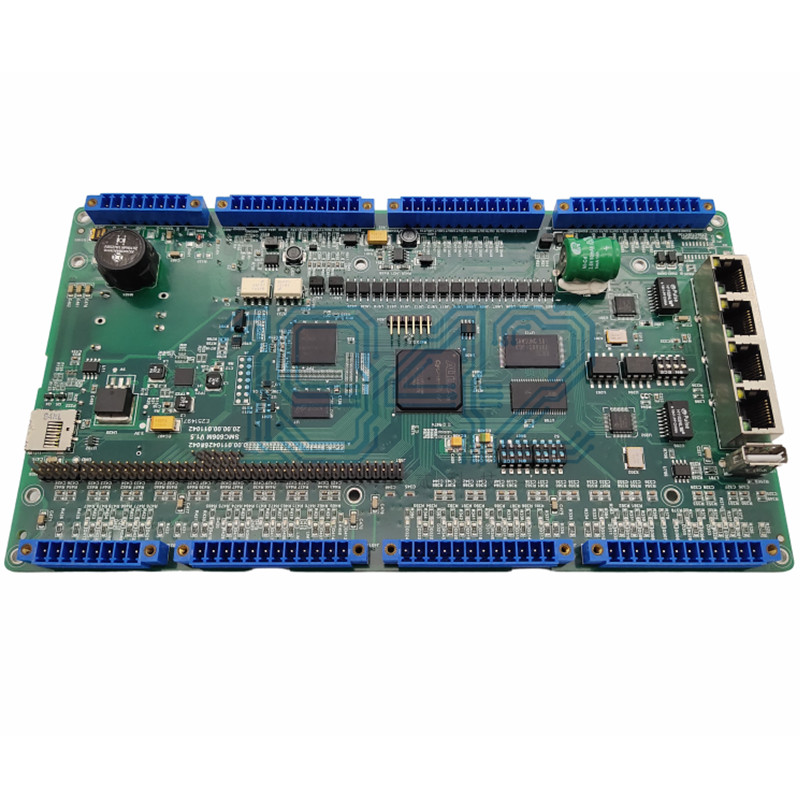
Programmable Logic Devices (FPGAs) are widely used in applications that require high-speed data processing, flexible hardware configuration, and long product life cycles. Compared with fixed-function integrated circuits, FPGA devices can be reprogrammed after manufacturing, allowing hardware functions to be updated or optimized throughout product development and deployment. They are commonly applied in industrial automation, communication equipment, embedded systems, medical electronics, AI edge computing, aerospace, automotive electronics, test instruments, and high-performance computing.
1943 Technology provides a complete one-stop PCBA manufacturing service for FPGA-based products, covering PCB fabrication, electronic component sourcing, SMT assembly, THT/DIP assembly, AOI inspection, X-ray inspection, ICT, functional testing, conformal coating, final assembly, packaging, and shipment. Our manufacturing process supports both prototype quantities and volume production while maintaining consistent quality standards across different production stages.
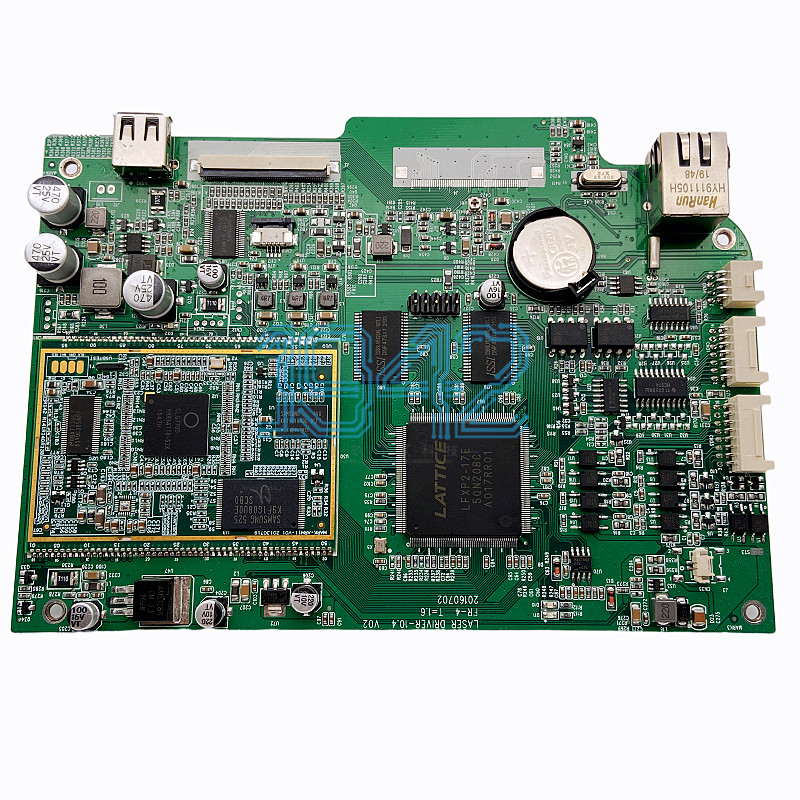
FPGA-based assemblies often involve high-pin-count BGA packages, fine-pitch components, high-speed interfaces, multilayer PCBs, and complex power management designs. These characteristics require stable assembly processes, accurate placement, controlled reflow profiles, and reliable inspection methods. Our production team follows documented manufacturing procedures to ensure process consistency from incoming materials to finished assemblies. Traceability is maintained throughout production to support quality management and future product maintenance.
For customers moving from product development into manufacturing, PCBA NPI (New Product Introduction) services play an important role in reducing production risks before mass production begins. At 1943 Technology, the NPI process focuses on establishing stable manufacturing standards rather than simply producing the first batch of boards.

The first objective of the NPI stage is to verify whether the complete manufacturing process is suitable for volume production. Every production step—including PCB fabrication, SMT placement, DIP assembly, soldering, inspection, functional testing, mechanical assembly, packaging, and product protection—is evaluated and optimized. Process parameters are validated to identify potential manufacturing issues before production scaling.
Material selection and supply chain readiness are also evaluated during NPI. Engineering teams review component availability, lifecycle status, alternative material options, and supplier stability. This verification helps reduce future supply risks and supports long-term production continuity, especially for products with extended market lifecycles.
Product reliability is another key focus throughout the NPI process. Prototype assemblies undergo electrical verification, functional validation, and manufacturing quality assessments to ensure that the design performs consistently under expected operating conditions. Manufacturing feedback generated during NPI allows engineering teams to improve design manufacturability (DFM), design for assembly (DFA), and overall production efficiency before releasing the product for mass manufacturing.
Project scheduling is equally important during product introduction. Early manufacturing validation helps identify technical or supply chain issues that could delay production. By resolving these issues during the NPI stage, development teams can establish realistic production plans, improve manufacturing readiness, and better align product launch schedules with market expectations.
1943 Technology supports customers throughout the entire product lifecycle, from engineering prototypes and NPI validation to pilot production and full-scale manufacturing. Engineering, procurement, quality control, and manufacturing teams work together to maintain process consistency while adapting to different product requirements and production volumes.
Whether the project requires low-volume prototypes, engineering validation builds, or stable long-term manufacturing, our integrated PCBA services provide a practical manufacturing solution for FPGA-based electronic products with controlled quality, reliable processes, and efficient production management.
Let the products quickly and stably realize marketization and become the global electronic intelligence innovation enabler


 2026-11-06