

NPI PCBA Manufacturing Services: How to Reduce Risks Before Mass Production
Bringing a new electronic product from design to production is often more challenging than expected. Many issues that appear during manufacturing are not caused by the PCB design itself, but by process limitations, component availability, assembly requirements, testing methods, and production readiness.
This is why NPI (New Product Introduction) has become a critical stage in modern PCBA manufacturing.
An effective NPI process helps engineering teams identify risks early, validate manufacturability, optimize production processes, and prepare products for stable volume manufacturing. Instead of discovering problems during mass production, companies can address them during prototype and pilot stages, saving both time and cost.
At 1943 Technology, NPI services are integrated throughout the PCBA manufacturing workflow, helping customers move from design files to production-ready products with greater confidence.
What Is NPI in PCBA Manufacturing?
NPI, or New Product Introduction, is the structured process of transforming a product design into a manufacturable and scalable production process.
In the PCBA industry, NPI typically includes:
- Design review
- Manufacturing feasibility assessment
- BOM verification
- Component sourcing evaluation
- SMT process planning
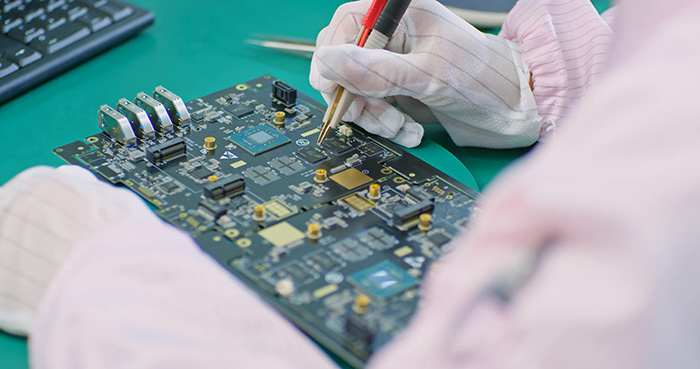
- Prototype assembly
- Process validation
- Functional testing preparation
- Pilot production
- Production documentation management
The goal is not simply to build prototypes, but to ensure that the product can be manufactured consistently, efficiently, and with predictable quality.
Why NPI Matters Before Mass Production
Many production issues originate long before the first production order is released.
Common challenges include:
- Component package mismatches
- PCB layout constraints
- Assembly process limitations
- Solderability concerns
- Incomplete manufacturing documentation
- Testing coverage gaps
- Unstable production yields
Without a structured NPI process, these problems often emerge during production ramp-up, resulting in delays, engineering changes, and increased manufacturing costs.
A well-managed NPI program helps identify and resolve these issues before they impact delivery schedules.
Key Stages of a Successful PCBA NPI Process
1. Engineering Data Review
The NPI process begins with a detailed review of project documentation, including:
- Gerber files
- Assembly drawings
- Pick-and-place files
- BOM lists
- Testing requirements
- Special process specifications
The objective is to verify data consistency and identify potential manufacturing concerns before materials are ordered.
2. BOM and Supply Chain Assessment
Component availability directly affects project schedules.
During NPI, engineers evaluate:
- Component lifecycle status
- Alternative sourcing options
- Lead time risks
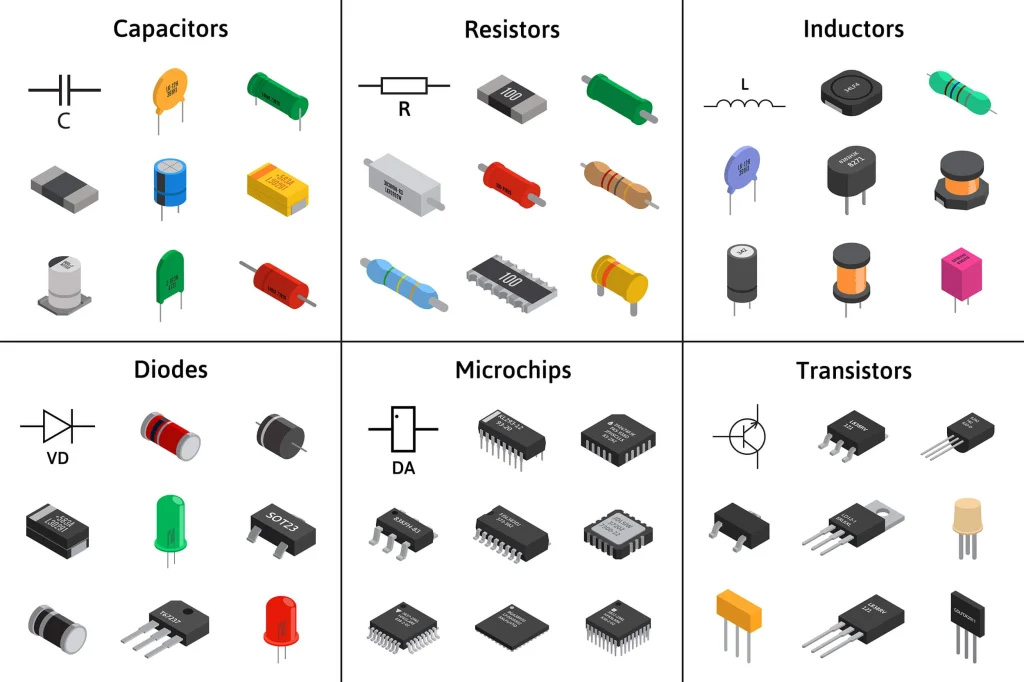
- Packaging compatibility
- Procurement challenges
Early supply chain analysis reduces the risk of production interruptions later in the project.
3. DFM and DFA Verification
Design for Manufacturability (DFM) and Design for Assembly (DFA) reviews help ensure that the product can be assembled efficiently.
Areas commonly reviewed include:
- Component spacing
- Pad design
- PCB panelization
- Fiducial placement
- Test point accessibility
- Assembly tolerances
These reviews help improve manufacturing stability and reduce potential defects.
4. Prototype Assembly
Prototype builds provide an opportunity to validate:
- Assembly processes
- Material compatibility
- SMT program accuracy
- Reflow profiles
- Inspection procedures
Engineering teams can collect valuable feedback and implement improvements before pilot production.
5. Process Validation
Process validation confirms that manufacturing procedures can consistently achieve required quality standards.
Typical validation activities include:
- First Article Inspection (FAI)
- Process capability verification
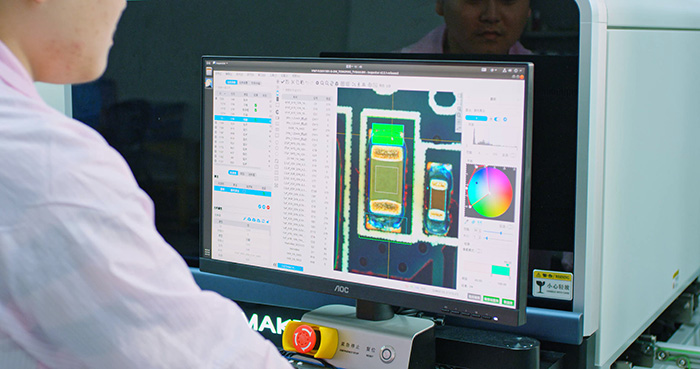
- AOI program validation
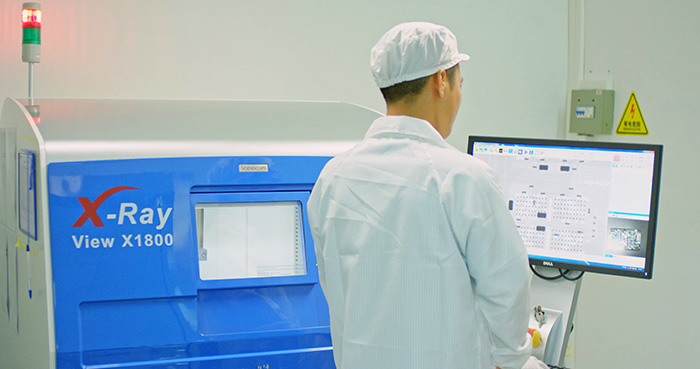
- X-ray inspection review
- Functional testing verification
The objective is to establish repeatable manufacturing conditions.
6. Pilot Production
Pilot runs simulate actual production environments while maintaining controlled volumes.
This stage helps evaluate:
- Production efficiency
- Yield performance
- Process stability
- Test coverage effectiveness
- Documentation accuracy
Pilot production serves as the final checkpoint before full-scale manufacturing.
Common Risks That NPI Can Prevent
An effective NPI process can significantly reduce:
Manufacturing Risks
- Assembly defects
- Solder joint failures
- Placement inaccuracies
- Process inconsistencies
Supply Chain Risks
- Long lead-time components
- Obsolete parts
- Single-source dependencies
Quality Risks
- Insufficient testing coverage
- Unstable yields
- Product reliability concerns
Project Management Risks
- Delayed production schedules
- Engineering change bottlenecks
- Incomplete manufacturing documentation
Early identification of these risks allows teams to take corrective action before they become costly production issues.
Why NPI Project Management Is Important
Many companies focus on manufacturing equipment but underestimate the importance of project coordination.
Successful NPI projects require close collaboration among:
- Design engineers
- Manufacturing engineers
- Supply chain teams
- Quality engineers
- Test engineers
- Production planners
Strong project management ensures that information flows efficiently across all departments.
At 1943 Technology, dedicated NPI project management helps coordinate engineering reviews, material preparation, prototype execution, process validation, and production readiness activities throughout the product introduction cycle.
This structured approach helps reduce communication gaps and accelerates project progress.
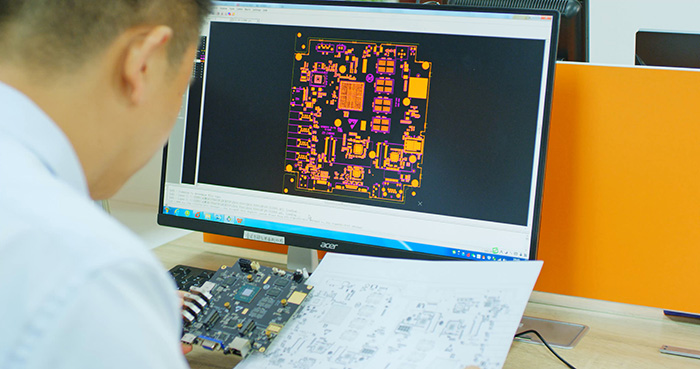
1943 Technology NPI Service Advantages
1943 Technology focuses on supporting customers through the critical transition from product design to manufacturing.
Key capabilities include:
- Comprehensive NPI project management
- Engineering-driven manufacturing reviews
- DFM and DFA support
- Prototype and pilot production services
- Process validation and quality verification
- Supply chain coordination
- Manufacturing documentation management
- Continuous engineering feedback throughout product development
By integrating these services into a single workflow, customers gain greater visibility and control during product introduction.
Conclusion
Successful electronic products require more than a completed design. They require a manufacturing process that is validated, repeatable, and ready for production.
NPI serves as the bridge between engineering design and manufacturing execution. Through structured reviews, process validation, prototype builds, and pilot production, companies can reduce risk, improve quality, and accelerate product launch timelines.
For organizations developing new electronic hardware, a robust NPI strategy is often one of the most effective ways to achieve a smoother transition into mass production.
Frequently Asked Questions (FAQ)
1. What is the difference between prototyping and NPI?
Prototype assembly focuses on building initial samples, while NPI covers the complete process of preparing a product for production, including engineering reviews, supply chain evaluation, process validation, and pilot manufacturing.
2. Why is NPI important in PCBA manufacturing?
NPI helps identify manufacturing, quality, and supply chain risks before mass production begins, reducing delays, rework, and unexpected production costs.
3. When should NPI activities start?
NPI should begin as early as possible after product design data becomes available. Early engineering involvement can prevent many manufacturing issues later in the project.
4. How does NPI improve production quality?
NPI validates manufacturing processes, inspection methods, testing procedures, and documentation before full-scale production, helping ensure consistent quality and stable production yields.
 2026-06-08