

How Effective Project Management Improves Product Introduction Success
Bringing a new electronic product from design to volume production is rarely a straightforward process. Engineering changes, component availability, manufacturing constraints, testing requirements, and documentation control all influence project outcomes.
For hardware teams, the transition from prototype to mass production is often where delays, quality issues, and unexpected costs emerge.
A structured New Product Introduction (NPI) process helps reduce these risks. More importantly, successful NPI execution depends on strong project management that connects engineering, sourcing, manufacturing, quality, and supply chain activities into a single workflow.
This article explains the role of NPI project management in PCBA manufacturing and how it contributes to a smoother product launch.
What Is NPI in PCBA Manufacturing?
New Product Introduction (NPI) is the process of transforming a product design into a manufacturable and scalable production solution.
In PCBA manufacturing, NPI typically includes:
- Design data review
- Bill of Materials (BOM) verification
- Component sourcing assessment
- DFM (Design for Manufacturability) analysis
- Process development
- Prototype assembly
- Functional testing preparation
- Engineering validation
- Production validation
- Quality planning
- Controlled production ramp-up
The primary objective is not simply to build prototype boards but to ensure that future production can achieve stable quality, predictable lead times, and efficient manufacturing performance.
Why NPI Project Management Matters
Many manufacturing issues originate from communication gaps rather than technical limitations.
Without dedicated NPI project management, teams may encounter:
- Incomplete design documentation
- BOM discrepancies
- Unverified alternative components
- Manufacturing process conflicts
- Delayed engineering change implementation
- Inconsistent validation records
- Production schedule disruptions
An experienced NPI project manager serves as the central coordinator throughout the project lifecycle.
This role ensures that every stakeholder receives accurate information, milestones remain visible, and potential risks are addressed before they impact production.
Key Stages of an NPI Project Management Process
1. Engineering Data Review
Before production begins, all technical files should be reviewed for completeness and manufacturability.
Typical review items include:
- Gerber files
- Assembly drawings
- Pick-and-place data
- BOM structure
- Test requirements
- Programming files
- Special process requirements
Early identification of design concerns helps avoid costly revisions later in the project.
2. BOM and Supply Chain Verification
Component availability directly affects project schedules.
A structured NPI process evaluates:
- Component lifecycle status
- Lead-time risks
- Approved alternatives
- Supply continuity
- Procurement timelines
Early sourcing analysis helps prevent production delays caused by unavailable or high-risk components.
3. DFM and Process Assessment
Design for Manufacturability (DFM) analysis examines whether a PCB design can be assembled efficiently and consistently.
Areas commonly reviewed include:
- Component spacing
- Pad design
- Solderability concerns
- Assembly accessibility
- Thermal considerations
- Test point accessibility
The goal is to identify potential manufacturing challenges before assembly begins.
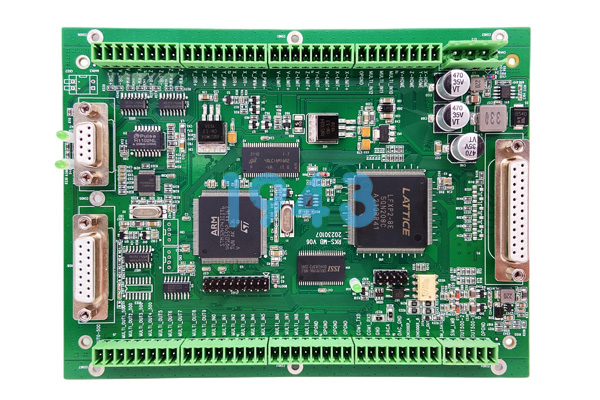
4. Prototype Build Management
Prototype production provides an opportunity to validate both the design and manufacturing process.
During this stage, project management coordinates:
- Material readiness
- Assembly scheduling
- Engineering support
- Process monitoring
- Issue tracking
- Data collection
Any findings are documented and communicated to support corrective actions.
5. Validation and Verification
Successful NPI projects require multiple validation activities.
Common verification stages include:
Design Verification
Confirms that the design performs according to intended specifications.
Process Verification
Confirms that manufacturing processes can consistently achieve required quality standards.
Production Verification
Confirms readiness for repeatable production under normal manufacturing conditions.
Data collected during these activities forms the foundation for future production control.
6. Engineering Change Management
Product designs frequently evolve throughout development.
A controlled engineering change process helps ensure:
- Revision accuracy
- Traceable documentation
- Updated manufacturing instructions
- Controlled implementation timing
Proper change management minimizes confusion and reduces the risk of building incorrect product versions.
7. Production Readiness Review
Before transitioning to larger production volumes, a final review is conducted to evaluate:
- Manufacturing capability
- Material availability
- Process stability
- Test coverage
- Quality documentation
- Risk mitigation plans
This stage helps ensure that production can scale efficiently without introducing new quality concerns.
Common Challenges During Product Introduction
Even well-designed products may encounter difficulties during NPI.
Examples include:
Component Obsolescence
Critical components may become unavailable after the design phase.
Manufacturing Constraints
Designs optimized for functionality may require modifications for efficient assembly.
Incomplete Documentation
Missing files or unclear specifications often lead to delays.
Process Variability
Insufficient validation may result in inconsistent assembly performance.
Schedule Pressure
Compressed development timelines increase the likelihood of overlooked risks.
Structured project management helps identify and address these challenges before they affect delivery schedules.
How 1943 Technology Supports NPI Projects
1943 Technology provides one-stop PCBA manufacturing services with a strong focus on NPI project management.
The objective is to establish a controlled and transparent product introduction process from engineering review through production ramp-up.
Key capabilities include:
- Dedicated NPI project coordination
- Engineering data review
- BOM verification and sourcing support
- DFM assessment
- Prototype assembly management
- Validation support
- Engineering change control
- Production readiness planning
- Manufacturing feedback reporting
By integrating engineering, supply chain, quality, and manufacturing activities, projects can move through development stages with improved visibility and reduced risk.
Best Practices for Successful NPI Execution
Organizations introducing new electronic products can improve outcomes by following several practical principles:
- Conduct manufacturability reviews early.
- Verify BOM availability before prototype release.
- Establish clear revision control procedures.
- Validate manufacturing processes before volume production.
- Maintain centralized project communication.
- Document all engineering changes.
- Track issues using structured corrective action systems.
- Review production readiness before scaling output.
These practices help improve product quality, schedule reliability, and long-term manufacturing performance.
Conclusion
A successful product launch requires more than PCB assembly capability alone. It requires coordinated planning, risk management, engineering validation, and effective communication throughout the development cycle.
NPI project management provides the framework needed to connect design, sourcing, manufacturing, and quality functions into a repeatable process.
For organizations developing new electronic hardware, a structured NPI approach can reduce delays, improve manufacturability, and support a smoother transition from prototype to production.
Frequently Asked Questions (FAQ)
1. What is the purpose of NPI in PCBA manufacturing?
NPI helps transform a product design into a stable manufacturing process by validating design data, materials, assembly processes, testing methods, and production readiness before volume manufacturing begins.
2. Why is project management important during NPI?
Project management coordinates engineering, sourcing, manufacturing, and quality activities. It improves communication, tracks risks, manages timelines, and helps ensure successful product introduction.
3. What is included in a PCBA NPI process?
A typical PCBA NPI process includes engineering review, BOM verification, DFM analysis, prototype assembly, validation testing, engineering change control, and production readiness assessment.
4. How does NPI reduce manufacturing risks?
NPI identifies potential issues early in the development cycle, including design flaws, sourcing challenges, process limitations, and documentation gaps, reducing the likelihood of production delays and quality problems.
 2026-06-08