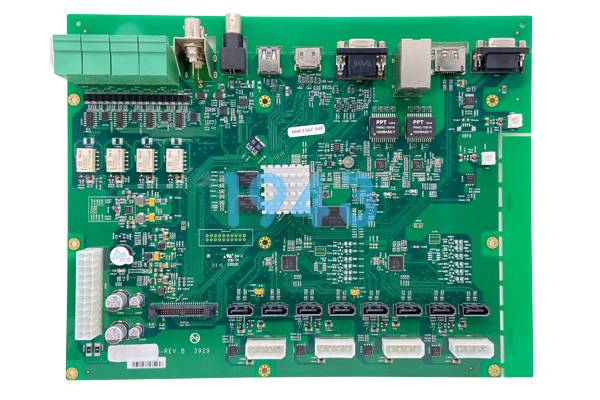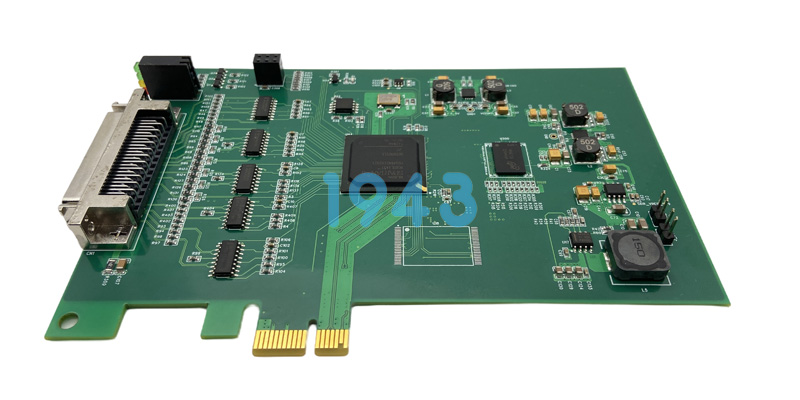


In electronics manufacturing, moving a new design from prototype to reliable volume production requires careful coordination across multiple stages. PCBA NPI (New Product Introduction) services manage this transition, helping engineering teams reduce risks, control costs, and shorten time-to-market. At 1943 Tech, we provide comprehensive one-stop PCBA NPI support focused on structured project management that integrates design validation, process development, and production ramp-up.
Why Professional NPI Project Management Matters in PCBA Manufacturing
New product introduction involves more than basic assembly. It requires detailed DFM (Design for Manufacturability) reviews, process capability studies, quality planning, and iterative validation to ensure the final product meets performance, reliability, and cost targets. Without experienced coordination, projects often face issues such as component sourcing delays, assembly defects, or inconsistent yields that extend timelines and increase expenses.
Our NPI project management approach assigns a dedicated team to oversee each phase. This includes cross-functional collaboration between engineering, procurement, manufacturing, and quality assurance. The result is a controlled progression from initial samples through to pilot runs and full production readiness.
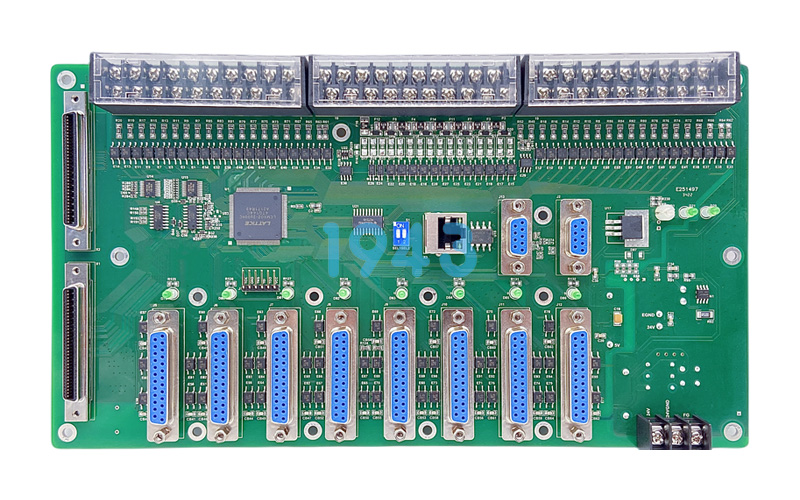
Our One-Stop PCBA NPI Capabilities
We support the complete NPI lifecycle for PCBA projects:
- Engineering Support and DFM Analysis: Early-stage reviews identify potential manufacturing issues in PCB layout, component selection, and assembly processes. Recommendations focus on improving yield and reliability without compromising design intent.
- Prototyping and Validation: Rapid prototype builds with full documentation and test data. Functional testing, environmental stress screening, and reliability assessments help confirm performance before committing to higher volumes.
- Process Development and Optimization: Development of repeatable manufacturing processes, including SMT line setup, inspection criteria, and quality gates tailored to the specific product.
- Supply Chain Coordination: Component sourcing, obsolescence management, and material qualification to maintain schedule and cost stability.
- Pilot Production and Scale-Up: Controlled pilot runs that validate processes at moderate volumes, followed by smooth transition to series production with documented work instructions and training.
Throughout the project, our NPI management system tracks milestones, risks, and corrective actions, providing clients with clear visibility through regular status reports and data-driven reviews.
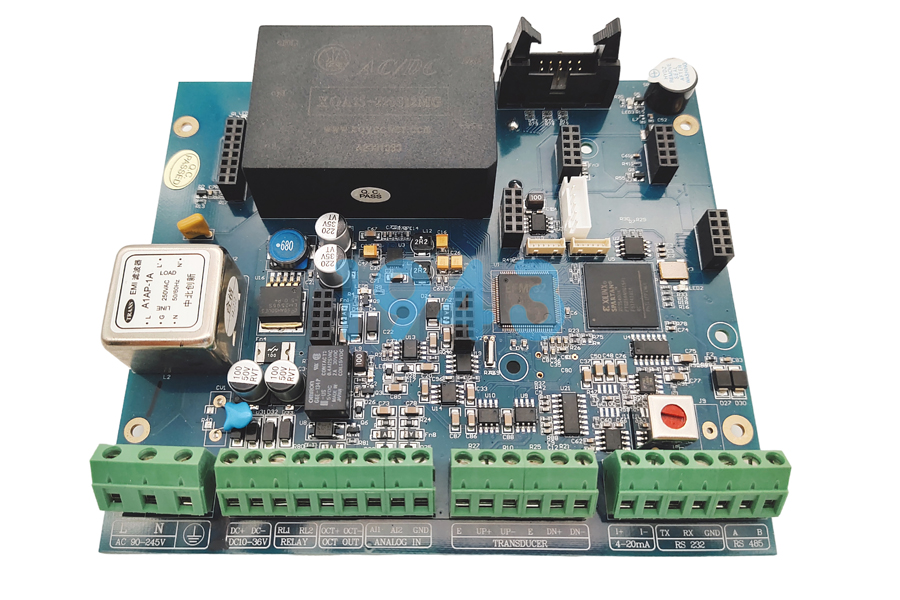
Key Benefits of Structured PCBA NPI Management
- Reduced development cycles through proactive issue resolution rather than reactive fixes.
- Improved first-pass yields by addressing manufacturability early.
- Better cost control via optimized processes and supply chain planning.
- Enhanced product reliability supported by systematic validation and quality documentation.
- Single-point accountability that simplifies communication and decision-making for engineering and procurement teams.
Our focus remains on technical execution and project discipline, delivering measurable improvements in NPI outcomes for clients developing industrial, medical, instrumentation, and other electronic products.
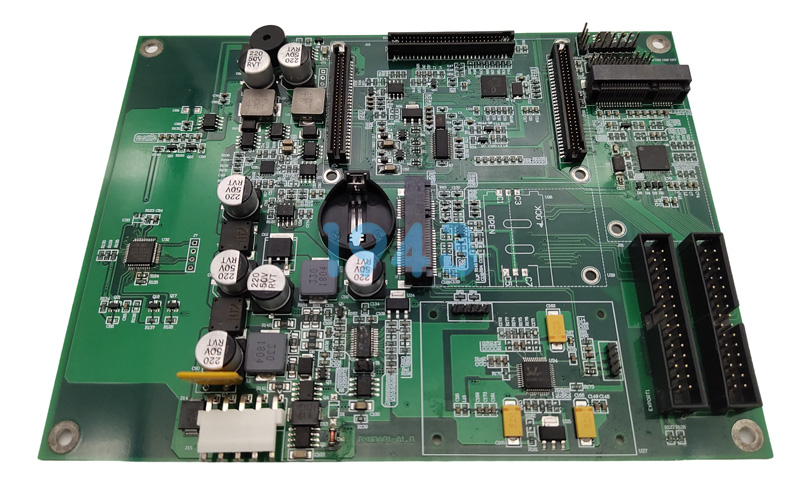
Common Questions About PCBA NPI Services
What is the typical duration of a PCBA NPI project?
Project timelines vary based on product complexity, but a standard NPI engagement often spans 8–16 weeks from initial DFM to completed pilot validation. Dedicated project management helps maintain momentum and address bottlenecks promptly.
How does NPI project management differ from standard PCBA assembly?
Standard assembly handles production of mature designs, while NPI focuses on de-risking a new product through iterative engineering, process qualification, and documentation. Professional NPI management coordinates these technical activities to ensure the design is production-ready.
What documentation and support should I expect during NPI?
Clients receive DFM reports, process control plans, test procedures, yield data, and reliability test summaries. Regular technical reviews and a centralized project dashboard keep all stakeholders aligned.
Can NPI services accommodate engineering changes during development?
Yes. Our structured change management process evaluates proposed modifications for impact on schedule, cost, and quality, then implements approved updates with updated documentation and validation as needed.
Ready to discuss your next PCBA project? Contact our engineering team to review your requirements and outline a tailored NPI plan.
 2026-06-08