

In modern electronics manufacturing, moving from prototype to stable production requires more than PCB assembly alone. Many hardware projects fail during pilot builds because of incomplete verification, process instability, or poor cross-functional coordination.
A professional PCBA engineering validation service helps reduce development risks, improve manufacturing readiness, and accelerate New Product Introduction (NPI) execution.
As a specialized PCBA engineering service platform, 1943 provides structured validation and NPI project management services for complex electronic manufacturing projects, helping engineering teams improve product reliability and production efficiency before volume manufacturing.
What Is PCBA Engineering Validation?
PCBA engineering validation is the process of verifying whether a product design, manufacturing process, and production workflow can meet technical, quality, and delivery requirements before mass production.
The validation stage usually includes:
- Design Validation
- Functional and Performance Validation
- Process Validation
- Compatibility Validation
- Production Validation
These stages help identify hidden engineering issues early, reducing expensive rework and production delays later.

Design Validation for Manufacturing Readiness
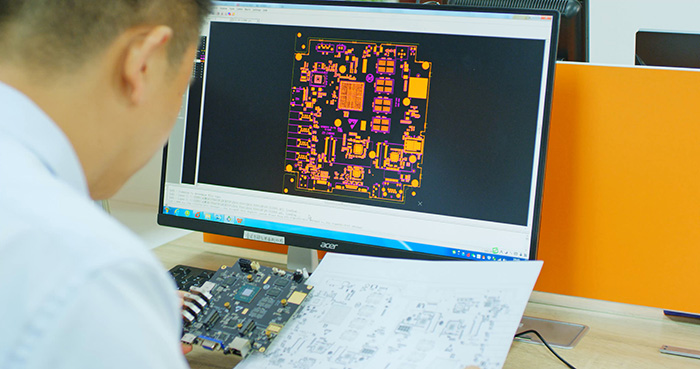
Design validation focuses on confirming that the PCB design can support stable assembly and reliable operation in real manufacturing conditions.
Typical validation items include:
- PCB manufacturability review
- Component package compatibility
- SMT assembly feasibility
- BOM consistency check
- DFM and DFA analysis
- Signal and power integrity verification
- Thermal management assessment
Early design verification helps reduce engineering change orders during later production stages.
Functional and Performance Validation
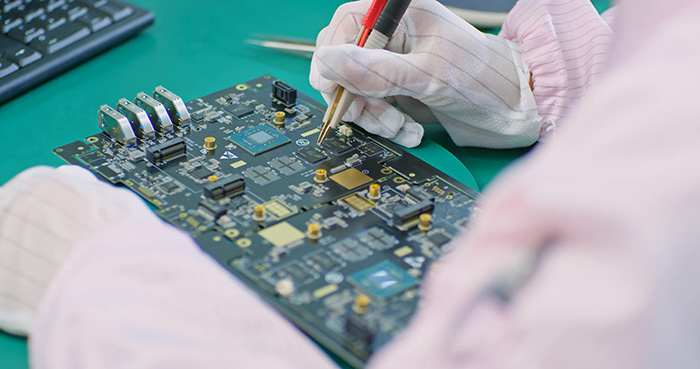
Functional verification ensures the PCBA performs according to product specifications under expected operating conditions.
Key testing areas include:
- Power-on functionality
- Interface communication testing
- Voltage and current measurement
- Signal transmission verification
- Firmware loading and debugging
- Environmental operational testing
- Long-duration stability testing
This stage improves product reliability before pilot production begins.
Process Validation for Stable SMT and Assembly Operations
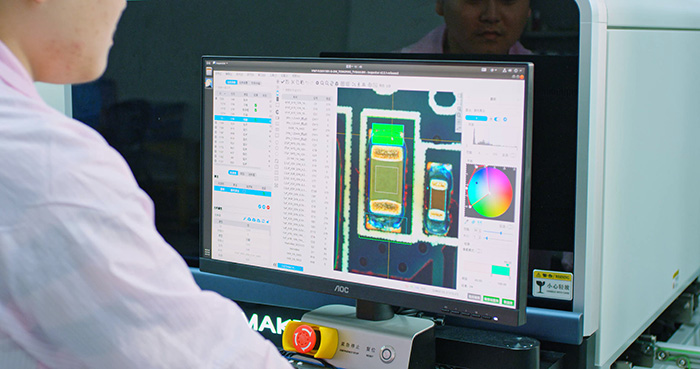
Process validation evaluates whether the manufacturing workflow can consistently deliver qualified products.
Engineering teams typically verify:
- SMT process stability
- Reflow soldering profile optimization
- Solder joint quality
- AOI and inspection standards
- Fixture and tooling effectiveness
- Production yield performance
- Repair and rework procedures
A validated process helps reduce defects and improves production repeatability.
Compatibility Validation for System Integration
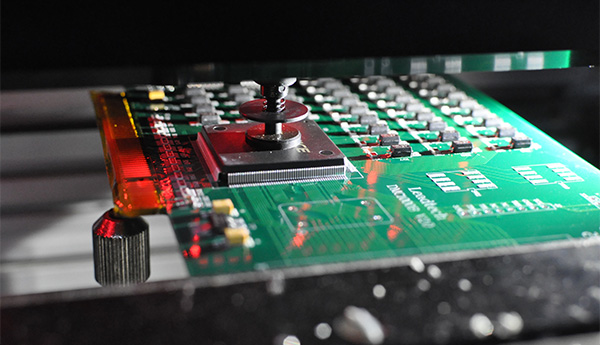
Compatibility validation checks whether the PCBA can operate correctly with connected hardware, software, and system environments.
Verification may include:
- Peripheral interface compatibility
- Connector reliability
- Embedded software interaction
- Communication protocol testing
- Power supply matching
- Mechanical fit verification
- Multi-board integration testing
This step is important for reducing integration risks during deployment.
Production Validation Before Mass Manufacturing
Production validation confirms that the entire manufacturing workflow is ready for scalable production.
Typical activities include:
- Pilot production runs
- Small-batch verification
- Manufacturing SOP confirmation
- Test process optimization
- Packaging validation
- Traceability system verification
- Quality control workflow assessment
Production validation helps ensure a smoother transition from NPI to mass production.
Why NPI Project Management Matters in PCBA Development
Many electronic manufacturing delays are caused not by technology itself, but by poor coordination between design, sourcing, engineering, testing, and manufacturing teams.
1943 focuses on NPI project management services to improve execution efficiency throughout the validation process.
Structured NPI management helps:
- Improve communication across departments
- Control engineering schedules
- Reduce repeated debugging cycles
- Track validation progress clearly
- Improve issue closure efficiency
- Support faster manufacturing readiness
Effective NPI coordination is especially important for complex, multi-stage PCBA projects.
Advantages of 1943 PCBA Engineering Services
1943 provides integrated PCBA engineering validation and NPI support services designed for product development teams seeking stable production outcomes.
Key Service Advantages
- Structured NPI project management workflow
- Multi-stage engineering verification support
- Flexible prototype and pilot production coordination
- Faster issue tracking and engineering feedback
- Manufacturing-oriented validation process
- Cross-functional communication management
- Support for low-volume to production transition
The service model is designed to improve product development efficiency while reducing manufacturing risks.

How Engineering Validation Improves Product Reliability
A structured validation process helps manufacturers and product developers achieve:
- Higher first-pass yield
- Reduced assembly defects
- Better manufacturing consistency
- Faster problem identification
- Improved product stability
- Lower production risk
- Shorter time to market
Engineering validation is now a critical part of successful electronics manufacturing and NPI execution.
FAQ
1. What is the difference between prototype assembly and PCBA engineering validation?
Prototype assembly focuses mainly on building initial hardware samples, while engineering validation verifies whether the design, process, and production workflow are ready for stable manufacturing.
2. Why is NPI project management important in PCBA manufacturing?
NPI project management helps coordinate engineering, sourcing, testing, and manufacturing activities, reducing delays and improving production readiness.
3. What does process validation include in SMT manufacturing?
Process validation typically includes soldering profile optimization, assembly verification, inspection standard validation, yield analysis, and production workflow confirmation.
4. When should production validation start during product development?
Production validation is usually performed after engineering verification and before mass production to confirm manufacturing stability and quality consistency.
 2026-05-29