

In today's electronics manufacturing landscape, efficient SMT assembly and PCBA processing play a critical role in turning design concepts into functional products. From prototype to production, the ability to manage complex PCB assembly with precision directly impacts time-to-market and product reliability.
Understanding SMT Assembly and PCBA Processing
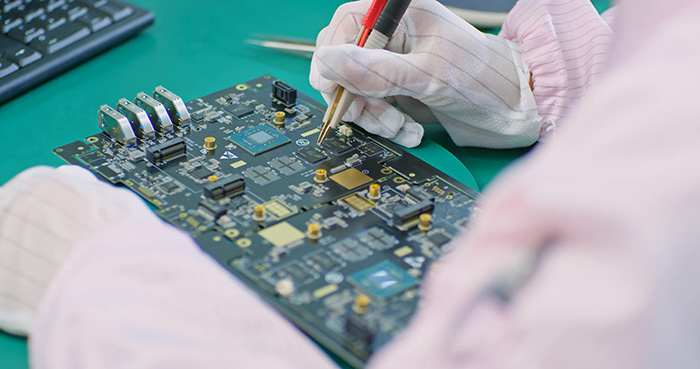
SMT (Surface Mount Technology) assembly involves placing electronic components directly onto the surface of printed circuit boards. This method supports higher component density, faster production speeds, and better performance compared to traditional through-hole methods. PCBA manufacturing combines the bare PCB with component placement, soldering, inspection, and testing to deliver fully assembled boards ready for integration.
Key stages in professional PCBA processing typically include:
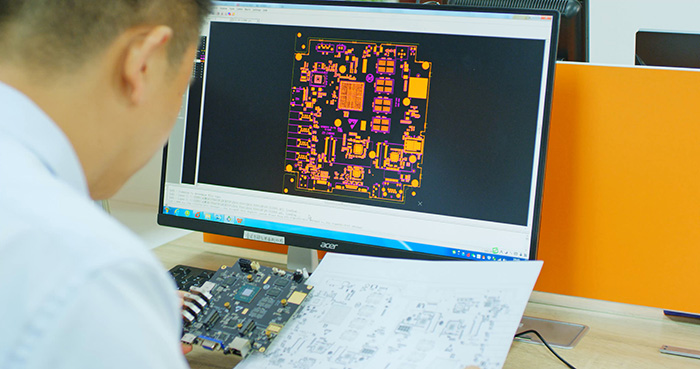
- Design for Manufacturability (DFM) review
- Material sourcing and component procurement
- SMT stencil printing and component placement
- Reflow soldering and selective soldering
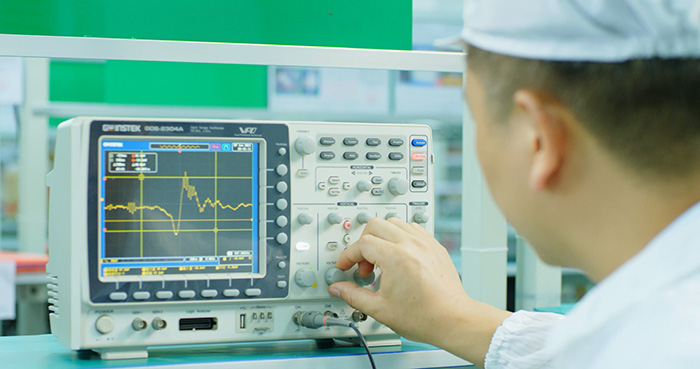
- Automated Optical Inspection (AOI), X-ray inspection, and functional testing
- Final quality assurance and packaging
These steps require tight process control to minimize defects and ensure consistent quality across batches.
The Importance of Strong NPI Project Management
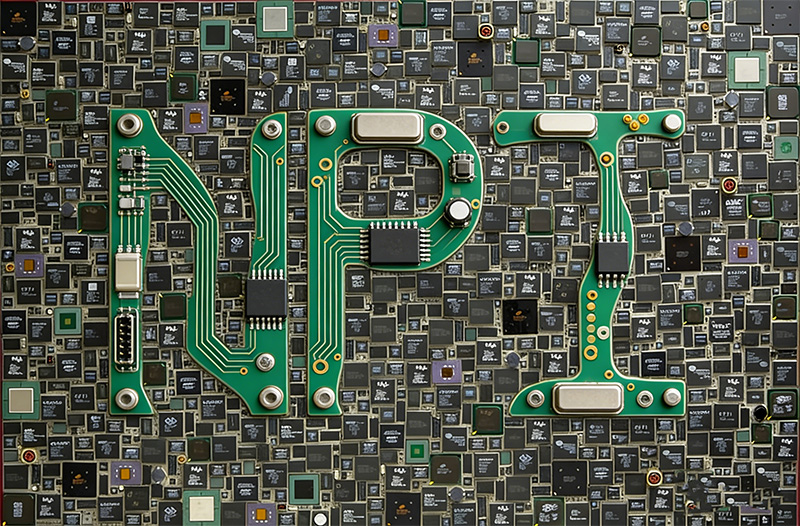
New Product Introduction (NPI) is the bridge between engineering prototypes and volume production. Effective NPI project management helps identify potential issues early, optimize processes, and maintain clear communication throughout development.
A dedicated NPI service coordinates engineering, procurement, manufacturing, and quality teams to reduce risks such as design revisions, supply chain delays, and production bottlenecks. This structured approach supports smoother transitions from low-volume prototypes to higher volumes while maintaining traceability and compliance with industry standards.
At 1943, our one-stop NPI service platform specializes in providing comprehensive project management for SMT assembly and PCBA processing. We focus on end-to-end visibility, technical support, and timeline control to help clients move from initial samples to stable production with fewer surprises.

Benefits of Professional SMT and PCBA Services
Working with an experienced provider offers several practical advantages:
- Improved First Pass Yield: Detailed DFM feedback and process optimization reduce rework and scrap rates.
- Faster Turnaround: Coordinated NPI management helps shorten the overall development cycle.
- Supply Chain Stability: Professional procurement support ensures component availability and authenticity.
- Quality Consistency: Multiple inspection stages and documented processes support repeatable results.
- Scalability: Services that adapt from prototype quantities to medium and high volumes as demand grows.
These factors are particularly valuable for companies developing new electronic devices where reliability and schedule certainty matter.

Why Choose a One-Stop NPI Platform
A single platform for SMT assembly, PCBA manufacturing, and NPI management simplifies vendor coordination. Instead of managing multiple suppliers for PCB fabrication, component sourcing, assembly, and testing, clients work with one point of contact who oversees the full process. This reduces communication overhead and helps maintain accountability throughout the project.
1943's NPI project management service emphasizes technical transparency, milestone tracking, and proactive problem resolution to support efficient PCBA development.
Frequently Asked Questions (FAQ)
1. What is the typical lead time for SMT assembly and PCBA prototyping?
Lead times vary based on complexity and component availability, but standard prototypes often complete within 7–14 days. Our NPI team provides clear timelines during the quoting stage and works to accelerate where possible without compromising quality.
2. How does NPI project management reduce risks in PCBA manufacturing?
NPI management includes early DFM analysis, process validation, and regular progress reviews. This helps catch potential issues before full production, resulting in higher first-pass yields and more predictable schedules.
3. What inspection methods are used for SMT and PCBA quality control?
Common methods include Automated Optical Inspection (AOI), 3D solder paste inspection, X-ray examination for hidden joints, in-circuit testing, and functional testing. The exact combination depends on product requirements and is defined during the NPI planning phase.
4. Can you support both small-batch prototypes and larger production runs?
Yes. Our platform is designed to handle prototype quantities for validation as well as scaling to medium and high volumes. The NPI service ensures the transition between phases is smooth with documented processes and repeatable quality standards.
Whether you are preparing for initial product validation or planning production ramp-up, professional SMT assembly and PCBA processing with strong NPI support provide a solid foundation for successful electronics manufacturing.
Contact our team for a detailed discussion of your project requirements.
 2026-05-29