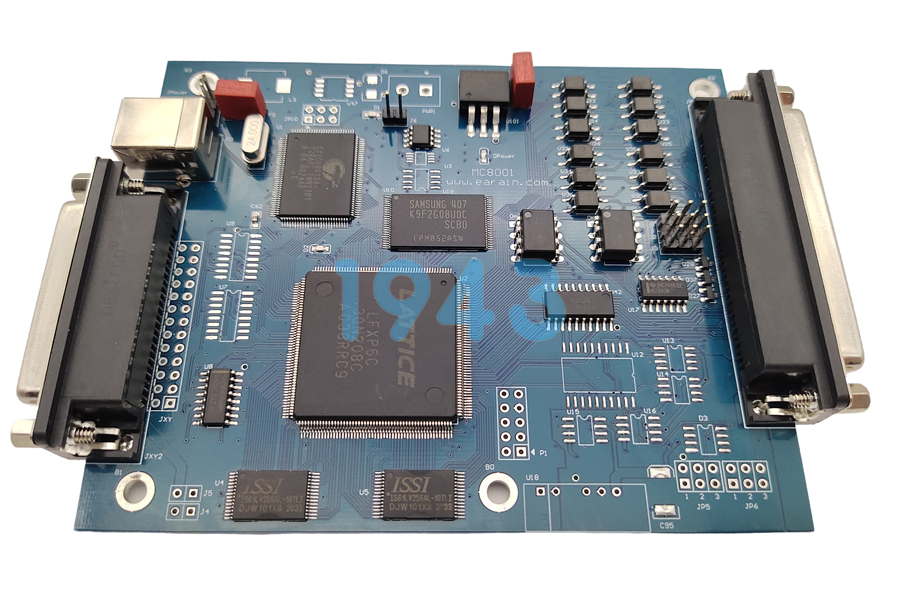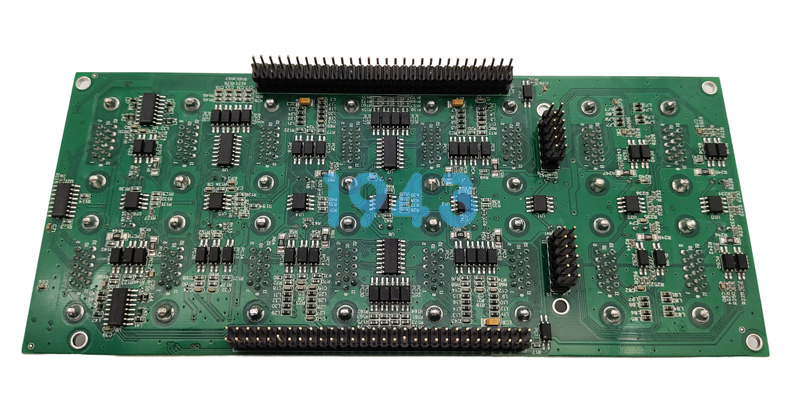


In today’s fast-moving electronics industry, companies need more than basic PCB assembly support. From prototype validation to pilot production and volume ramp-up, reliable SMT and PCBA manufacturing services play an important role in reducing development risk and improving project efficiency.
For many hardware teams, the biggest challenge is not only manufacturing itself, but also managing the transition from design files to stable production. This is where professional NPI project management becomes valuable.
What Is SMT PCB Assembly?
SMT (Surface Mount Technology) is the process of mounting electronic components directly onto printed circuit boards using automated placement equipment and controlled soldering processes. Compared with traditional assembly methods, SMT supports higher component density, improved consistency, and faster production efficiency.
A complete PCBA manufacturing process typically includes:
- PCB fabrication coordination
- Component sourcing and material preparation
- SMT assembly
- DIP insertion and soldering
- AOI inspection and testing
- Functional verification
- Final assembly and packaging
For prototype and new product introduction projects, process control and communication efficiency are often just as important as equipment capability.
Why NPI Project Management Matters in PCBA Manufacturing
NPI (New Product Introduction) is the stage between product design and mass production. Many manufacturing issues appear during this phase, including BOM inconsistencies, footprint mismatches, unstable components, engineering changes, and process optimization requirements.
An experienced NPI management team helps reduce these risks before large-scale production begins.
At 1943, the focus is placed on structured NPI project coordination throughout the SMT and PCBA process. This approach helps improve communication efficiency between engineering, sourcing, production, and quality control teams.
Key NPI management advantages include:
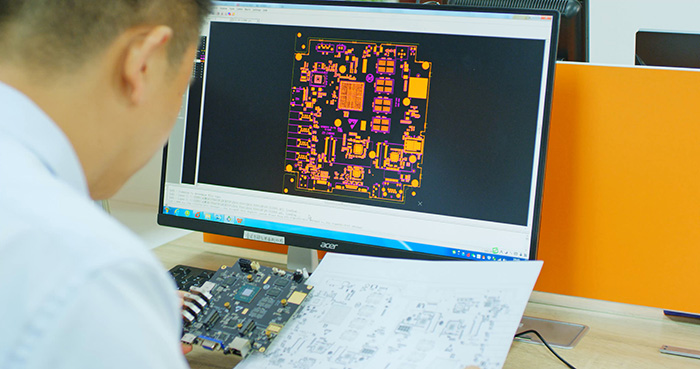
Engineering File Verification
Before production starts, manufacturing files are reviewed to reduce common risks such as:
- Incorrect Gerber data
- BOM and CPL mismatches
- Polarity errors
- Package inconsistency
- Missing manufacturing notes
Early verification can significantly reduce production delays and repeated revisions.
Material Coordination and Supply Management
Stable material preparation is critical for prototype and small-batch manufacturing. NPI-oriented PCBA services usually involve:
- BOM checking
- Alternative component evaluation
- Inventory coordination
- Lead-time monitoring
- Incoming material inspection
This helps improve scheduling reliability during development stages.
Prototype to Mass Production Transition
Many projects fail to scale smoothly because prototype conditions are different from actual manufacturing environments. A structured NPI process helps standardize:
- SMT process parameters
- Assembly workflows
- Inspection standards
- Test procedures
- Production documentation
This makes future batch production more consistent and predictable.
SMT Assembly Services for Low-Volume and High-Mix Production
High-mix, low-volume manufacturing is common in industrial control, communication equipment, medical support systems, IoT devices, and embedded hardware development projects.
Compared with repetitive mass production, these projects require:
- Faster engineering response
- Flexible scheduling
- Frequent material adjustments
- Better version control
- Stronger project tracking
Professional SMT assembly support for these applications should prioritize process flexibility and technical communication instead of only production speed.
Quality Control in PCBA Manufacturing
Quality stability is one of the core requirements in PCB assembly services. A controlled production workflow generally includes multiple inspection stages throughout the process.
Common quality procedures include:
- IQC incoming material inspection
- SPI solder paste inspection
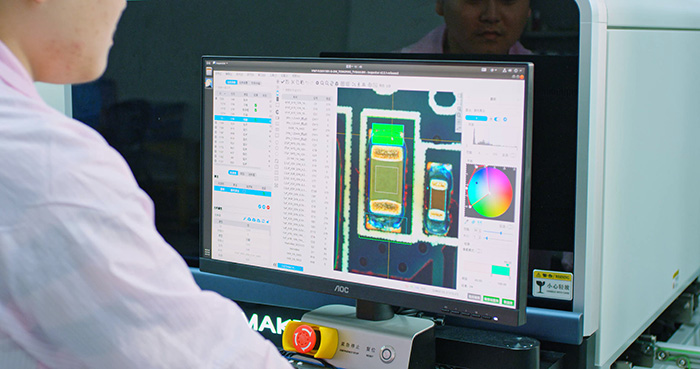
- AOI automated optical inspection
- X-ray inspection for complex assemblies
- Functional testing
- Final visual inspection
Consistent inspection standards help reduce assembly defects and improve overall product reliability.
Factors to Consider When Choosing an SMT PCBA Manufacturing Partner
Selecting a PCB assembly supplier is not only about pricing. For long-term cooperation, companies often focus on several practical factors:
Technical Communication Efficiency
Clear communication during engineering review and production preparation can reduce project delays and unnecessary revisions.
NPI Support Capability
For new hardware projects, structured NPI coordination is often more valuable than simple assembly capacity.
Production Flexibility
Different projects may require prototype runs, engineering builds, trial production, or scheduled batch manufacturing. Flexible production management helps adapt to changing project requirements.
Quality Consistency
Stable inspection procedures and process traceability help maintain consistent production quality over time.
Conclusion
SMT PCB assembly and PCBA manufacturing involve far more than component placement. For modern electronics projects, especially during the NPI stage, successful production depends on coordination between engineering, sourcing, manufacturing, and quality systems.
A structured NPI-focused workflow can help reduce development risks, improve production efficiency, and support a smoother transition from prototype to stable manufacturing.
As an NPI-oriented PCBA service provider, 1943 focuses on supporting hardware projects with flexible SMT assembly services, engineering coordination, and project management throughout the product introduction process.
FAQ
1. What is the difference between SMT assembly and PCBA manufacturing?
SMT assembly mainly refers to mounting electronic components onto PCBs, while PCBA manufacturing includes the complete assembly process such as sourcing, soldering, testing, inspection, and final assembly.
2. What is NPI in electronics manufacturing?
NPI stands for New Product Introduction. It is the process of preparing a product for manufacturing, including engineering review, material preparation, process validation, and pilot production management.
3. Why is NPI project management important for PCB assembly?
NPI management helps identify manufacturing risks early, improve communication efficiency, reduce production errors, and support a smoother transition from prototype builds to volume production.
4. What files are required for SMT PCB assembly services?
Typical manufacturing files include Gerber files, BOM lists, pick-and-place files, assembly drawings, and testing requirements. Complete documentation helps improve production accuracy and efficiency.
 2026-05-22