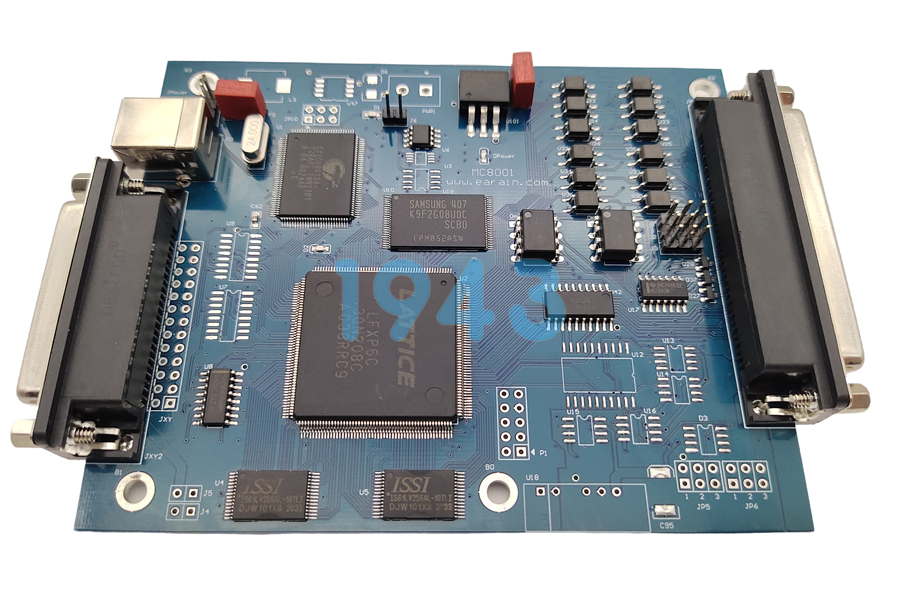


Bringing a new electronic product into production requires more than PCB assembly capacity. During the prototype and NPI stages, manufacturers need stable process control, fast engineering response, and flexible low-volume production support.
SMT assembly directly affects product reliability, development efficiency, and manufacturing consistency. A well-managed assembly process can help engineering teams reduce revisions, shorten validation cycles, and move projects into production more smoothly.
1943 Technology provides SMT assembly and PCBA manufacturing support focused on new product introduction, engineering builds, pilot runs, and small-batch production.
SMT Assembly for Modern PCBA Manufacturing
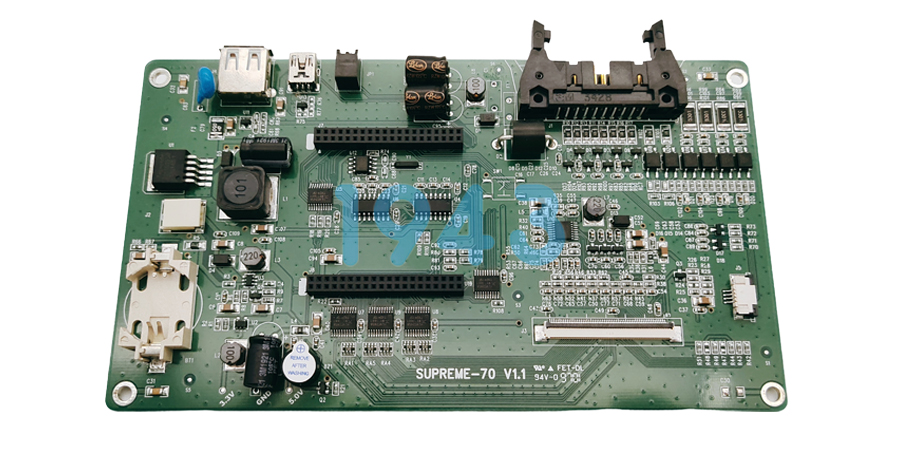
SMT assembly is the core process of mounting electronic components onto printed circuit boards using automated placement equipment and controlled soldering methods.
In practical manufacturing environments, SMT assembly involves much more than component placement. It also includes:
- Production file verification
- Process preparation
- Stencil setup
- Soldering profile control
- Optical inspection
- Engineering change management
- Functional assembly support
For new hardware projects, manufacturing stability during early production stages is often critical to the overall launch schedule.
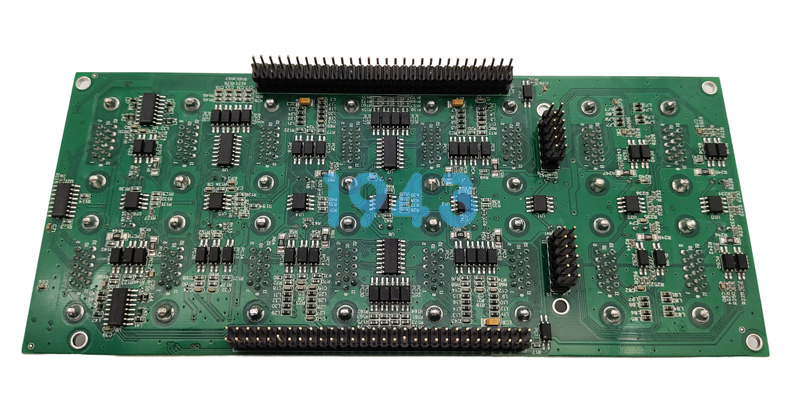
NPI Support for New Electronic Products
New Product Introduction (NPI) is the transition stage between product development and repeatable manufacturing.
During this phase, many projects encounter challenges related to assembly compatibility, process consistency, and product validation. Common issues may include:
- PCB footprint inconsistencies
- Component placement tolerances
- Reflow soldering adjustments
- Assembly alignment problems
- Material substitution management
- Pilot production variability
Early engineering support during SMT assembly can help identify these issues before larger-scale production begins.
DFM Review Before Assembly
Before production starts, manufacturing files are typically reviewed to evaluate assembly feasibility and process risks.
This may include:
- PCB layout analysis
- BOM verification
- Footprint validation
- Assembly spacing review
- Process compatibility checks
DFM analysis helps improve manufacturing efficiency while reducing avoidable rework during pilot builds.
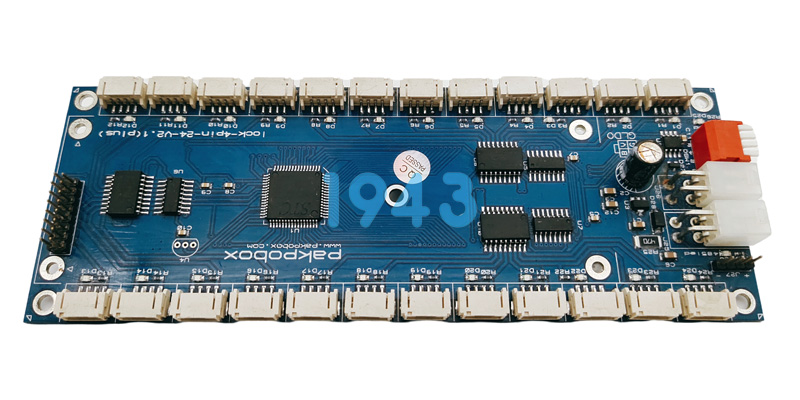
Prototype and Pilot Production Services
Prototype and engineering builds usually require flexible manufacturing coordination.
Unlike standard volume production, prototype assembly often involves:
- Frequent design updates
- Small production quantities
- Short delivery timelines
- Ongoing engineering modifications
Because of this, responsive communication and process flexibility become important parts of the manufacturing workflow.
1943 Technology supports engineering validation builds and low-volume PCBA assembly for projects that require fast iteration and controlled production management.
Small-Batch SMT Assembly
Low-volume SMT assembly is commonly used for:
- Engineering validation
- Functional testing
- Product verification
- Certification samples
- Early market evaluation
This production approach allows teams to verify both hardware performance and manufacturing stability before mass production scaling.
PCBA Assembly Process Control
Reliable SMT assembly depends on stable process management throughout production.
Solder Paste Printing
Accurate solder paste deposition is essential for consistent solder joint formation.
Process control usually focuses on:
- Stencil alignment
- Paste volume consistency
- Printing repeatability
- Pad coverage accuracy
Component Placement Accuracy
As PCB density increases, placement precision becomes increasingly important.
Key process factors include:
- Placement calibration
- Component orientation
- Feeder stability
- Placement repeatability
Reflow Soldering Control
Reflow temperature profiles directly influence solder quality and assembly reliability.
Typical controls include:
- Heating ramp management
- Peak temperature adjustment
- Thermal consistency
- Controlled cooling rates
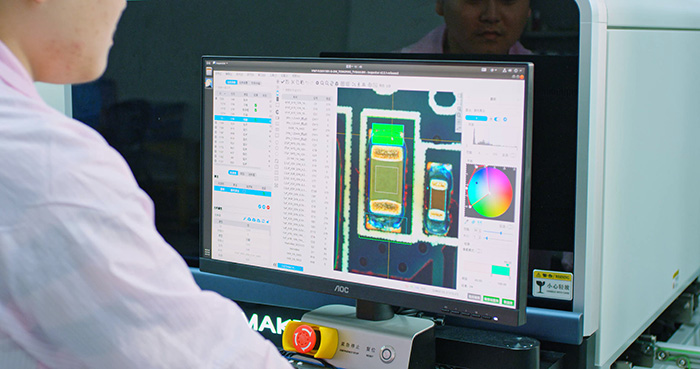
AOI Inspection
Automated Optical Inspection (AOI) is commonly used to identify assembly defects during production.
Inspection items may include:
- Missing components
- Polarity errors
- Solder bridges
- Offset placement
- Insufficient solder joints
Combined with production traceability systems, AOI helps improve consistency across multiple production batches.
Low-Volume Box Build and Final Assembly
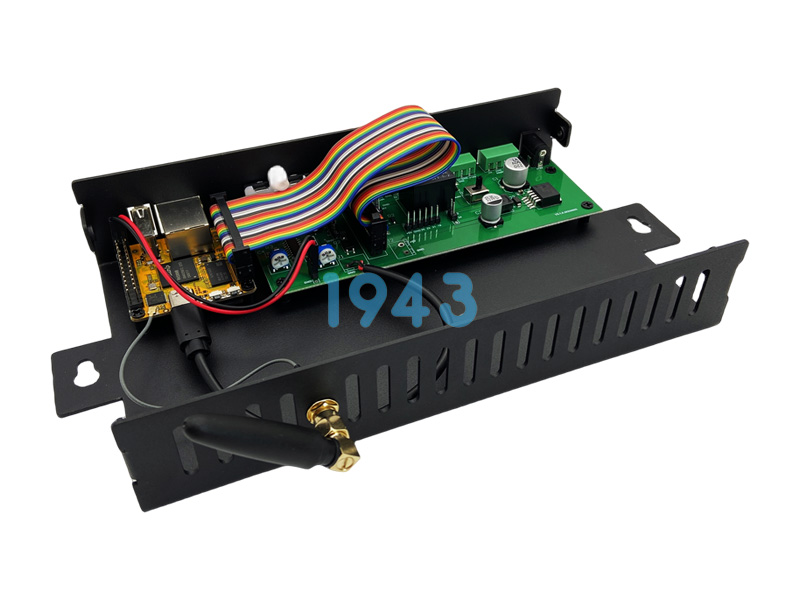
Many projects require additional assembly support beyond SMT processing.
Low-volume final assembly services may include:
- Mechanical assembly
- Cable integration
- Functional verification
- Burn-in testing
- Packaging preparation
Managing both PCBA assembly and final product integration through a single supplier can simplify coordination during early-stage production.
Choosing an SMT Assembly Manufacturer
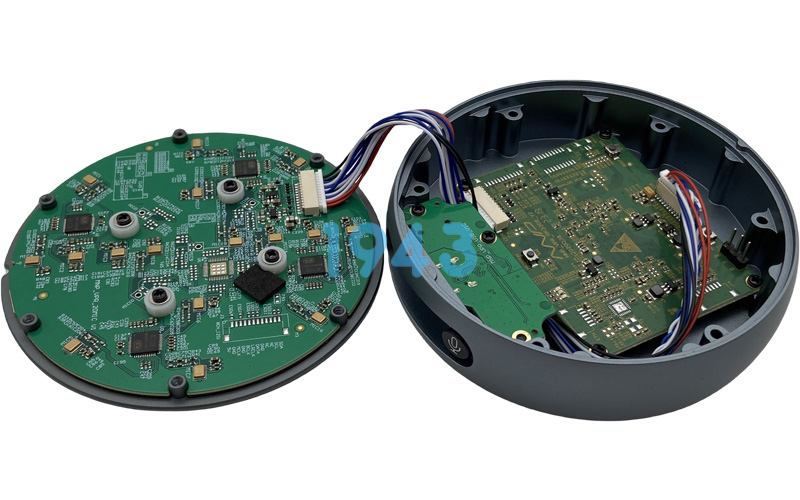
Selecting an SMT assembly partner involves evaluating more than equipment capability alone.
Important considerations often include:
Engineering Collaboration
Prototype and NPI projects typically require close coordination between design and manufacturing teams.
Flexible Production Scheduling
Small-batch projects may require rapid adjustments and shorter lead times.
Quality Management Systems
Consistent production quality depends on structured inspection and process management procedures.
Support for NPI and Pilot Builds
Manufacturers experienced in engineering builds are usually better prepared to support early-stage production challenges.
Conclusion
SMT assembly remains one of the most important stages in PCBA manufacturing, particularly for prototype development and new product introduction projects.
Stable manufacturing processes, responsive engineering support, and flexible low-volume production can help companies reduce development risks and improve production readiness.
1943 Technology provides SMT assembly and PCBA manufacturing support for prototype builds, NPI programs, pilot production, and low-volume product assembly.
FAQ
What is the difference between prototype SMT assembly and mass production?
Prototype SMT assembly focuses on engineering validation, process testing, and low-volume builds, while mass production emphasizes long-term production efficiency and scalability.
What is included in PCBA NPI services?
NPI services typically include DFM review, process setup, prototype assembly, pilot production support, and manufacturing validation.
Why is low-volume SMT assembly important?
Low-volume production allows companies to test product functionality, assembly quality, and manufacturing processes before scaling production volumes.
What production files are needed for SMT assembly?
Most SMT assembly projects require Gerber files, BOM lists, centroid files, assembly drawings, and testing requirements.
 2026-05-22