Medical equipment

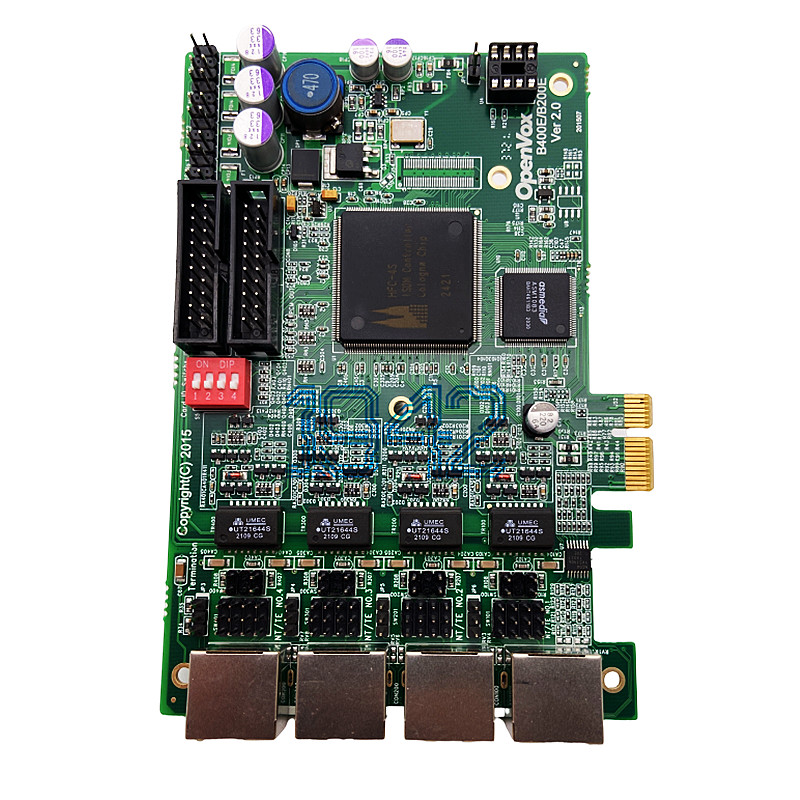
Medical instruments Printed circuit board assembly PCBA products

Shenzhen 1943 Technology provides PCBA manufacturing and one-stop NPI service for medical instruments. Process validation, material reliability, product testing, and timeline alignment from prototype to production under ISO 13485 standards.

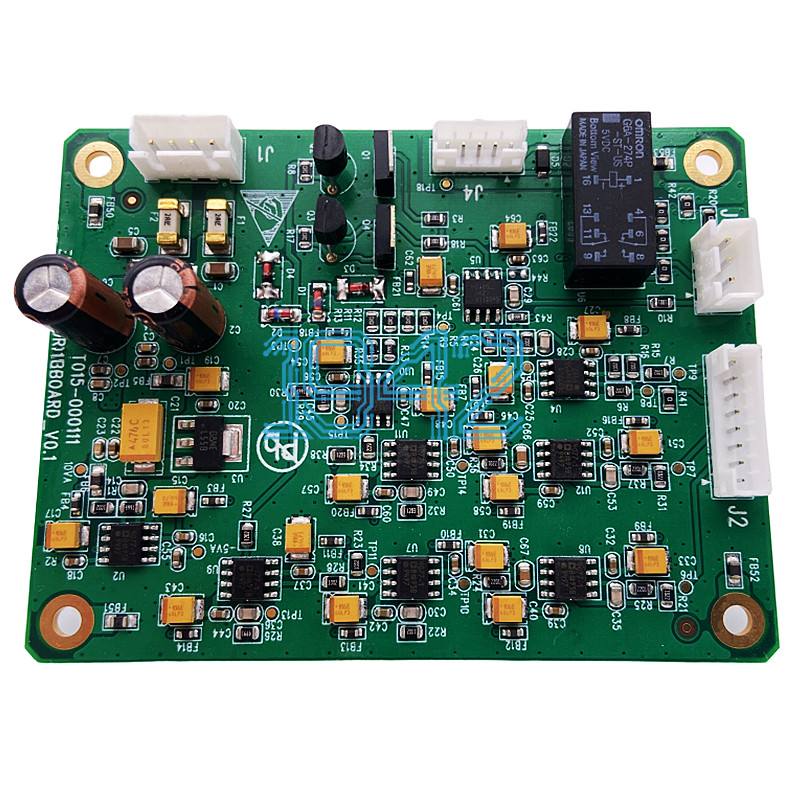
Point:124

Components type:56

PCB size: 123*102mm

Minimum package size of resistance capacitance sensing: 0603

Minimum device pin spacing:0.65

Welding mode:Reflow soldering + wave soldering

Manufacturing process: PCB producing + components procurement + assembly

Precision PCBA for Medical Instruments

Medical instruments require stable electronic performance, consistent manufacturing quality, and strict process control throughout the entire production cycle. Printed Circuit Board Assembly (PCBA) for medical devices is not only focused on accurate component placement, but also on manufacturing reliability, traceability, and product consistency. From prototype verification to mass production, every manufacturing step should follow standardized processes to ensure the final assembly meets technical and quality requirements.

1943 Technology provides PCBA manufacturing one-stop NPI service for medical electronic products, supporting customers from engineering validation through pilot production and volume manufacturing. The service covers PCB fabrication, component sourcing, SMT assembly, DIP assembly, functional testing, product assembly, packaging, and shipment management under a unified manufacturing process.

One-Stop PCBA Manufacturing and NPI Service

New Product Introduction (NPI) is an essential stage between product development and mass production. The purpose of NPI is to establish stable manufacturing standards before large-scale production begins. Rather than focusing only on producing prototype boards, the NPI process verifies whether the complete manufacturing system is ready for consistent production.

At 1943 Technology, the NPI process evaluates the entire manufacturing flow, including PCB fabrication, SMT assembly, DIP assembly, testing procedures, final product assembly, packaging, and product protection. Every process is reviewed to ensure manufacturing feasibility, process stability, and repeatability before entering volume production.

Material selection is another important part of the NPI stage. Electronic components, PCB materials, and mechanical parts are evaluated based on performance, availability, lifecycle, and supply continuity. Stable supply chain planning helps reduce procurement risks while maintaining long-term manufacturing consistency.

Product reliability verification is also integrated into the NPI workflow. Functional testing, manufacturing inspections, and process validation help identify potential issues during the early production stage, allowing engineering teams to improve design and manufacturing efficiency before mass production.

Project schedule verification is equally important. During NPI, manufacturing capacity, production planning, supplier coordination, testing resources, and delivery timelines are evaluated to determine whether the project can achieve the expected market launch schedule while maintaining consistent quality standards.

PCBA manufacturing & NPI Services

Manufacturing Capabilities

1943 Technology supports complete electronic manufacturing services for medical instrument PCBAs, including:

  • PCB fabrication for multilayer and high-density circuit boards
  • SMT assembly with fine-pitch and miniature components
  • Through-hole (DIP) assembly
  • BGA, QFN, LGA, and mixed-technology assembly
  • AOI, SPI, X-ray inspection, and functional testing
  • ICT and customized test fixture support
  • Mechanical assembly and box build integration
  • Product labeling, packaging, and ESD protection
  • Engineering change management (ECN)
  • Traceability and manufacturing documentation

Quality Control for Medical PCBA

Medical electronic assemblies demand consistent manufacturing quality throughout the production process. Process control begins with incoming material inspection and continues through solder paste inspection, automated optical inspection, X-ray analysis where required, functional testing, and final quality inspection.

Manufacturing records, process parameters, and production data are maintained to improve traceability and support continuous quality improvement. Standardized work instructions and controlled manufacturing procedures help ensure every production batch maintains consistent performance.

Applications

Medical instrument PCBAs are widely used in various healthcare and laboratory equipment, including:

  • Patient monitoring systems
  • Diagnostic instruments
  • Medical imaging equipment
  • Laboratory analyzers
  • Portable medical devices
  • Infusion and injection systems
  • Rehabilitation equipment
  • Healthcare monitoring devices
  • Clinical testing instruments
  • Medical control systems