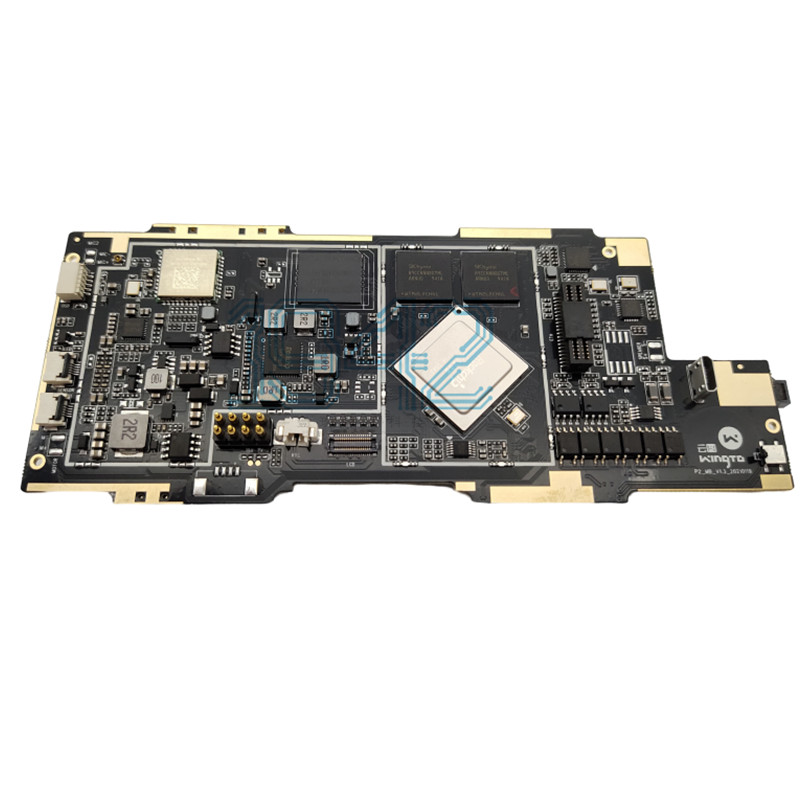
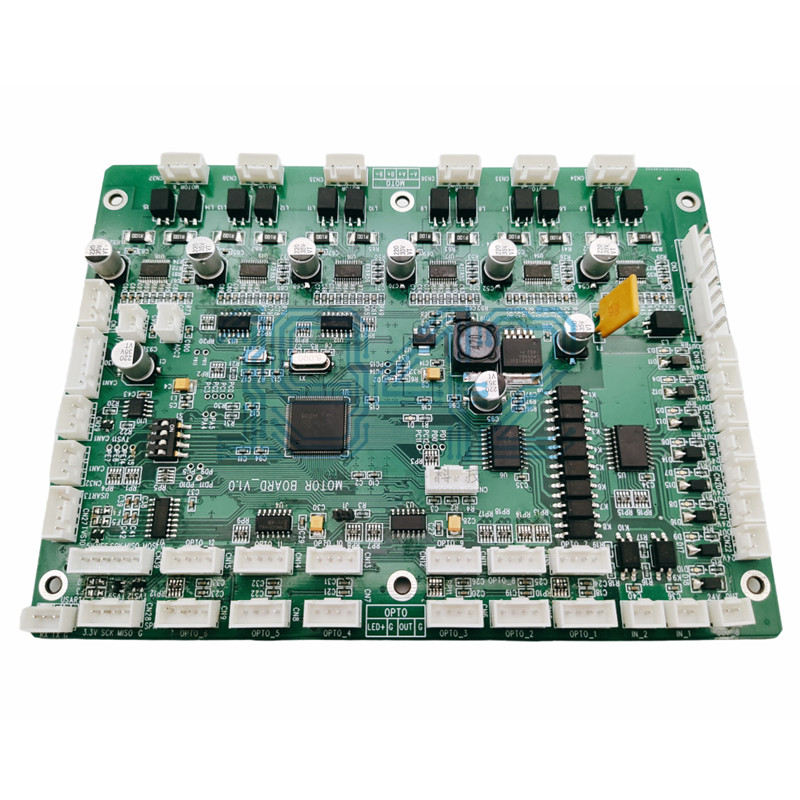
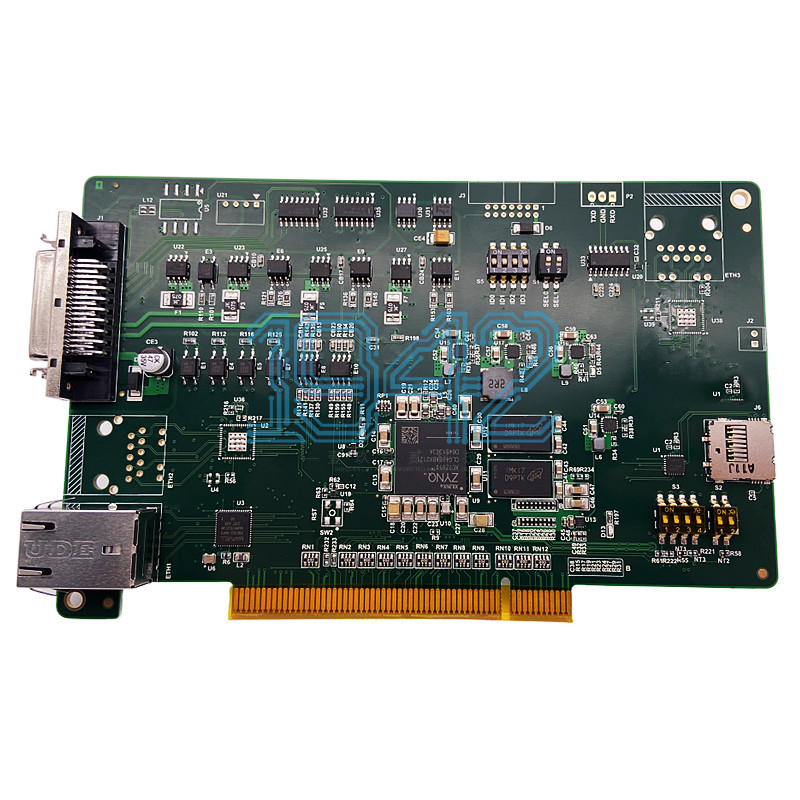
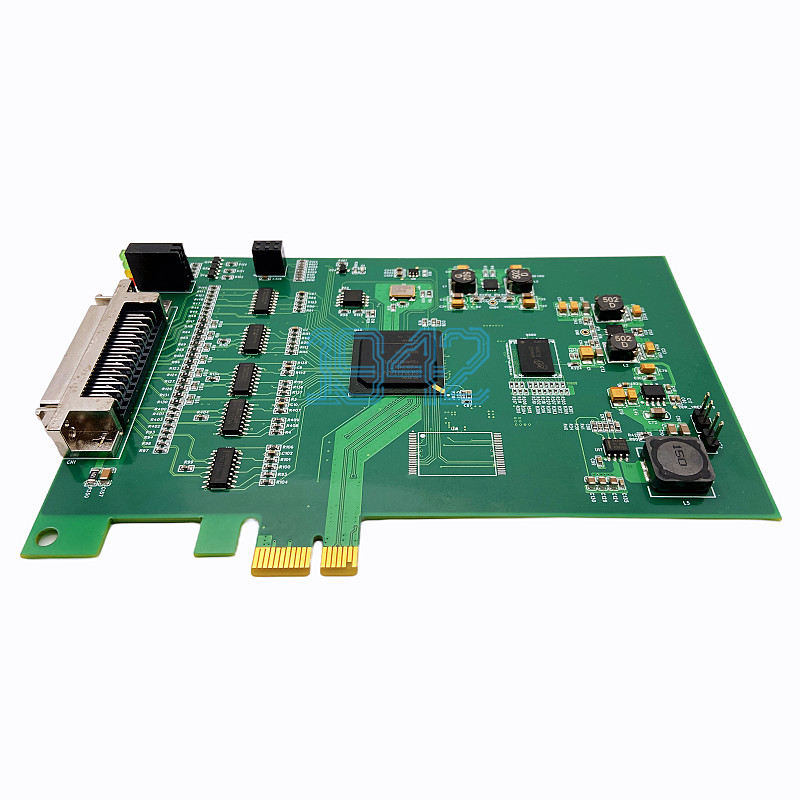
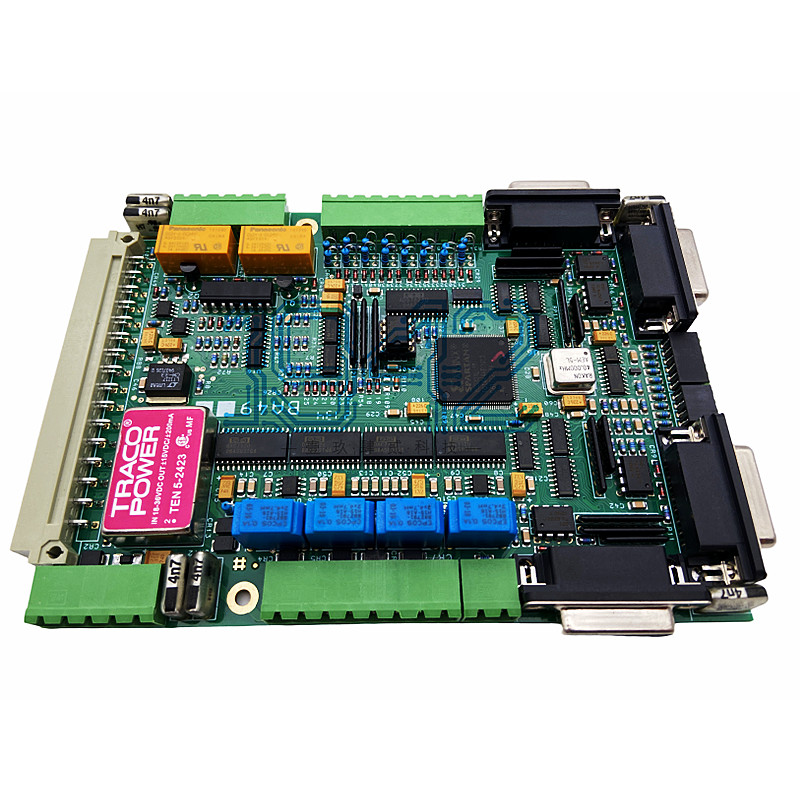
Point:108
Components type:68
PCB size: 165*91mm
Minimum package size of resistance capacitance sensing: 0402
Minimum device pin spacing:0.5mm
Welding mode:Reflow soldering + Selective wave soldering
Manufacturing process: PCB producing + components procurement + assembly
Smart home products require stable electronics, consistent assembly quality, and reliable manufacturing processes to support long-term operation. From intelligent lighting systems and smart switches to home security devices, environmental sensors, gateways, and automation controllers, every PCBA must meet strict requirements for performance, connectivity, and reliability.
Shenzhen 1943 Technology Co., Ltd. provides PCBA manufacturing one-stop NPI service for smart home electronic products, supporting customers from engineering validation to mass production. Our manufacturing capabilities include PCB fabrication, electronic component sourcing, SMT assembly, DIP assembly, functional testing, product assembly, packaging, and logistics coordination. Each production stage follows standardized manufacturing procedures to ensure consistency across prototype, pilot production, and volume manufacturing.
New Product Introduction (NPI) is an essential stage between product development and mass production. It establishes manufacturing standards before production volumes increase, helping engineering teams identify potential risks early while improving manufacturing efficiency and product consistency.
At Shenzhen 1943 Technology, the NPI process focuses on building repeatable manufacturing standards rather than simply producing prototype boards. During this stage, engineering and manufacturing teams work together to verify production readiness across every process.
The first objective of NPI is to validate whether the complete manufacturing process can operate consistently.
This includes verification of PCB fabrication, SMT placement, through-hole assembly (DIP), soldering quality, functional testing, mechanical assembly, packaging, product protection, and shipping preparation. Every production step is reviewed to ensure that manufacturing instructions, tooling, inspection methods, and quality control procedures are suitable for stable production.
Potential manufacturing issues can be identified before volume production begins, reducing engineering changes later in the project.
Reliable manufacturing depends on both component quality and supply chain stability.
During the NPI stage, materials are evaluated for electrical performance, manufacturability, availability, and lifecycle status. Alternative components can be assessed where necessary to improve long-term supply continuity.
Supplier capability, lead times, and component consistency are also reviewed to reduce procurement risks during future production. This approach helps create a more stable manufacturing plan throughout the product lifecycle.

Smart home electronics often operate continuously in residential environments where stable performance is expected over extended periods.
NPI includes product reliability verification through process inspection, functional validation, and production quality evaluation. Manufacturing parameters are optimized to improve solder joint reliability, assembly consistency, and overall product quality.
Engineering feedback collected during pilot production helps refine manufacturing processes before larger production volumes are released.
A successful product launch depends not only on product quality but also on achieving planned production schedules.
The NPI process evaluates production capacity, manufacturing efficiency, testing procedures, documentation, and supply chain coordination to determine whether the complete project can meet expected delivery timelines.
Standardized production planning allows engineering, procurement, manufacturing, and quality teams to work with unified documentation, improving communication while reducing delays during the transition to mass production.
Shenzhen 1943 Technology offers complete manufacturing support for smart home electronic products through an integrated production system. Services include PCB manufacturing, electronic component sourcing, SMT assembly, DIP assembly, AOI inspection, X-ray inspection, ICT, functional testing, conformal coating, box build assembly, final packaging, and shipment.
By combining PCBA manufacturing one-stop NPI service with standardized manufacturing processes, each project is prepared for stable production, controlled quality, reliable supply chain management, and efficient transition from engineering development to volume manufacturing.
Let the products quickly and stably realize marketization and become the global electronic intelligence innovation enabler