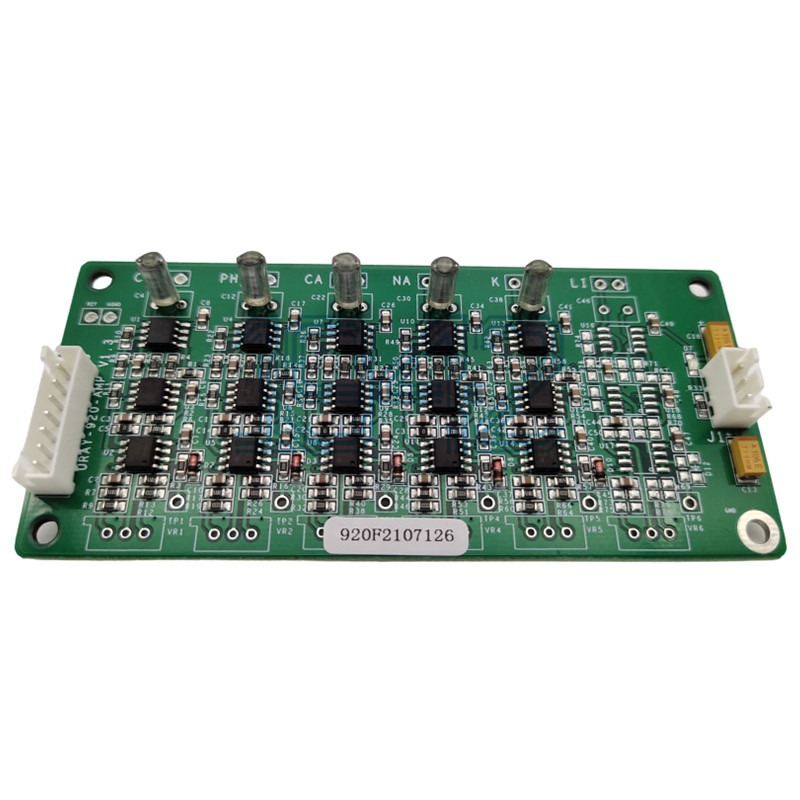
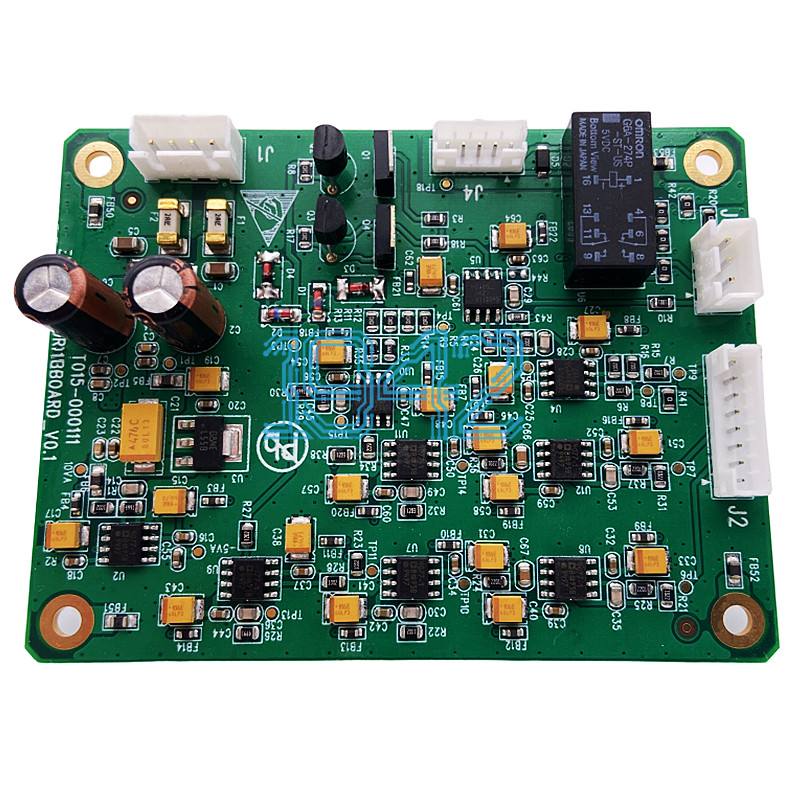
Point:125
Components type:52
PCB size: 122*70mm
Minimum package size of resistance capacitance sensing: 0603
Minimum device pin spacing:0.65
Welding mode:Reflow soldering + Wave soldering
Manufacturing process: PCB producing + components procurement + assembly
Shenzhen 1943 Technology Co., LTD provides PCB assembly services designed for medical equipment manufacturers, covering the full process from prototype to mass production. Our engineering team works with medical device developers, R&D institutions, and OEM/ODM clients to deliver assembled PCBs that meet the documentation, traceability, and reliability requirements expected in this field.
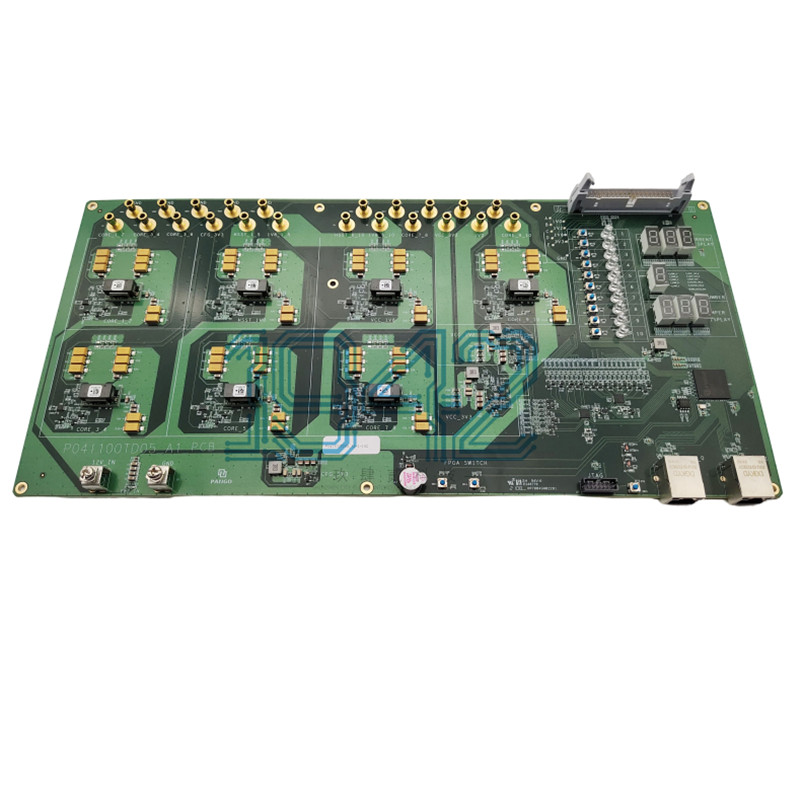
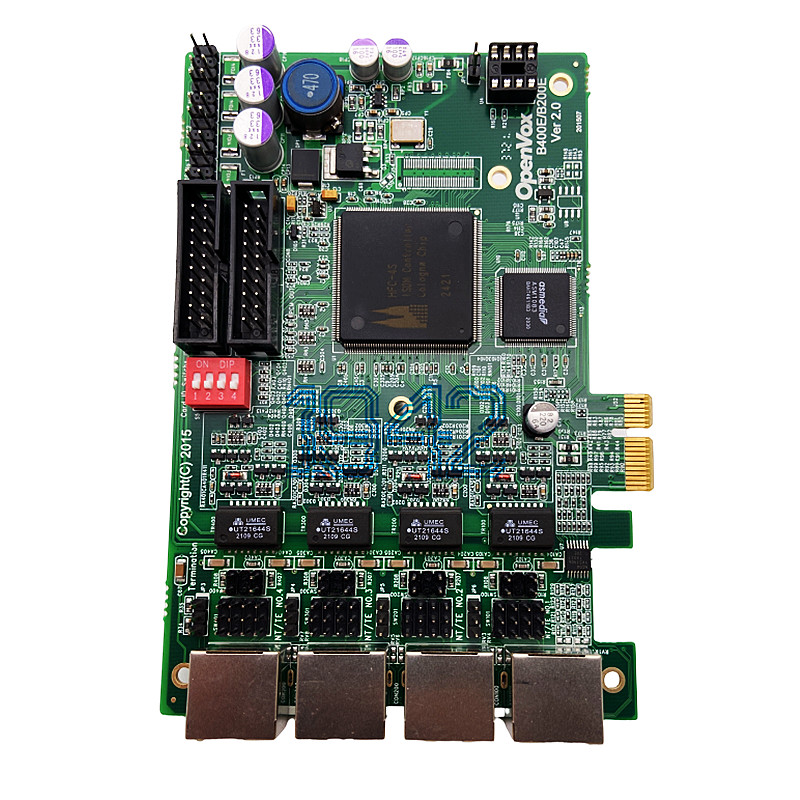
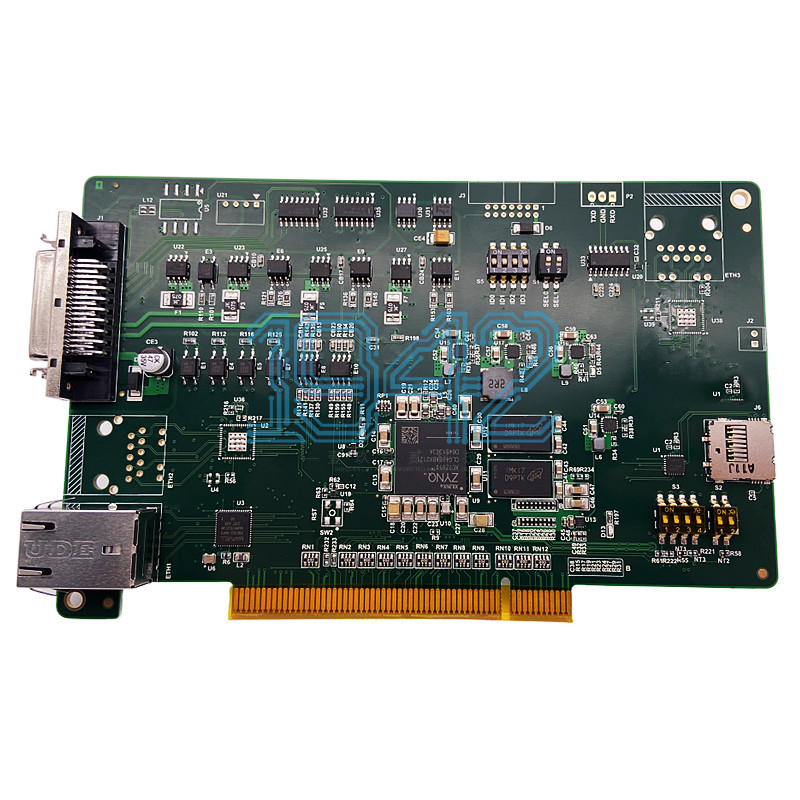
We handle multilayer rigid PCBs, flex-rigid boards, and HDI designs commonly used in patient monitoring systems, diagnostic instruments, imaging devices, and portable medical electronics. Our SMT lines support fine-pitch components down to 01005 size, BGA/QFN packages with X-ray inspection, and lead-free reflow profiles compliant with RoHS and medical-grade requirements. Through-hole insertion, selective soldering, and mixed-technology assembly are available for power modules and connector-intensive boards.
Before any medical PCB enters volume production, we run a dedicated NPI (New Product Introduction) line. This stage exists to answer practical questions rather than just build samples:
Process feasibility — We verify every step from PCB fabrication review, SMT placement accuracy, DIP/through-hole soldering, in-circuit and functional testing, final assembly, to protective packaging and shipping protection. Any process risk is identified and resolved at the NPI stage, not after the customer receives production units.
Material and supply chain verification — Component selection, substitute part approval, and supply continuity are reviewed. For medical projects, long-term component availability and regulatory documentation (RoHS, REACH, MSDS) are confirmed before commitment.
Product reliability — We conduct thermal cycling, ionic contamination testing, solder joint inspection (AOI + X-ray), and functional validation against your specifications. For medical-grade requirements, we can support burn-in testing and accelerated aging studies on request.
Project timeline and yield assessment — The NPI run provides real cycle-time data and yield rates, giving both our team and the customer a realistic basis for mass production planning. This avoids the common situation where a product looks feasible on paper but fails to meet market launch schedules.
Our production operates under ISO 9001 quality management, with processes aligned to IPC-A-610 Class 2 and Class 3 acceptance standards. We are familiar with documentation packages required by medical customers, including material certificates, first-article inspection reports, and traceability records down to component lot level. If your project requires ISO 13485-supplier workflow or FDA-related documentation support, our engineering team can coordinate accordingly.

From the initial Gerber and BOM review, DFM feedback is provided within one working day. Our NPI engineers stay involved through PPAP-style sample approval before the project is released to the production line, which means fewer engineering changes during mass production and a shorter overall time-to-market.
For medical device projects where reliability and documentation are non-negotiable, the NPI stage is not an extra cost — it is the part of the process that prevents expensive failures downstream. We work with you at that stage to make sure the design can be built, the supply chain is solid, and the product will perform as intended once it reaches the end user.
Let the products quickly and stably realize marketization and become the global electronic intelligence innovation enabler