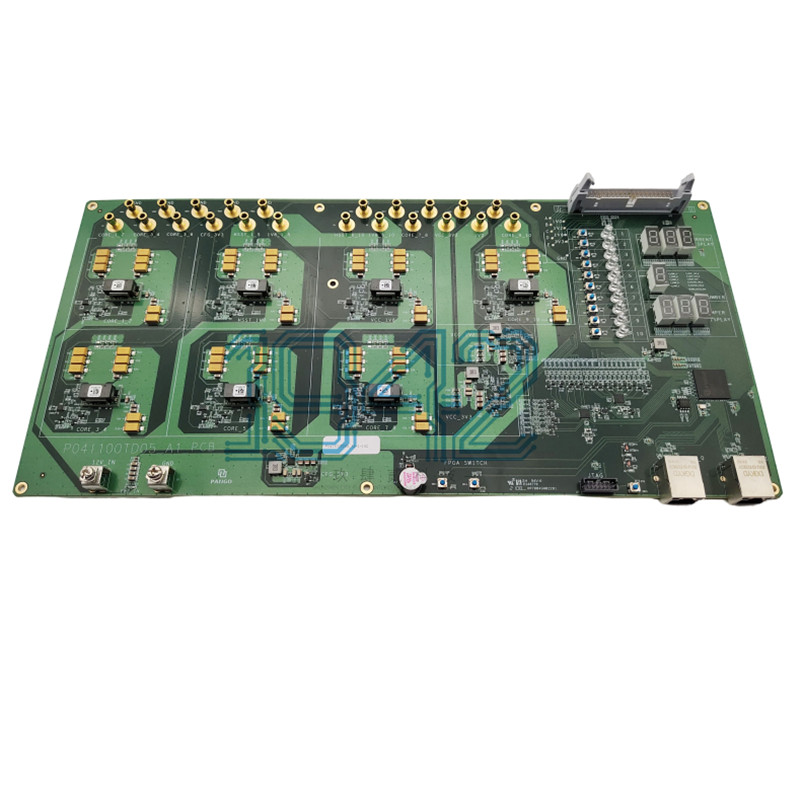
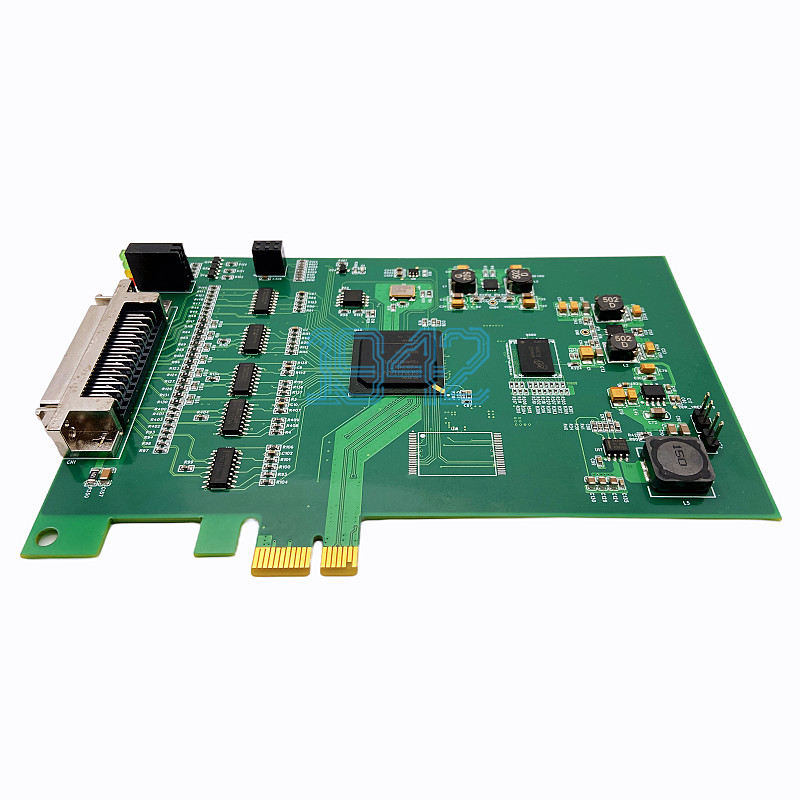
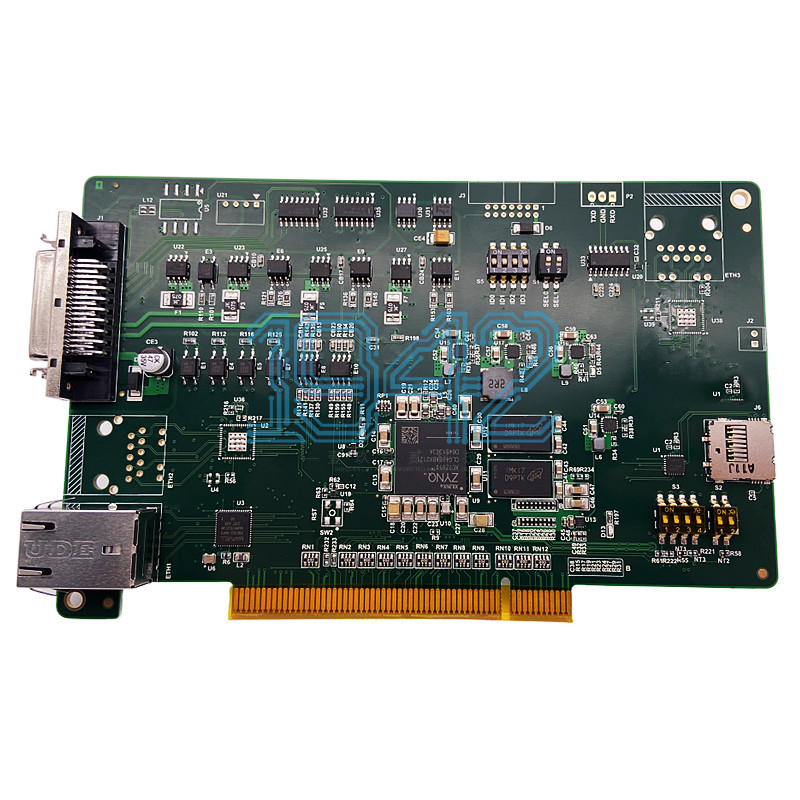
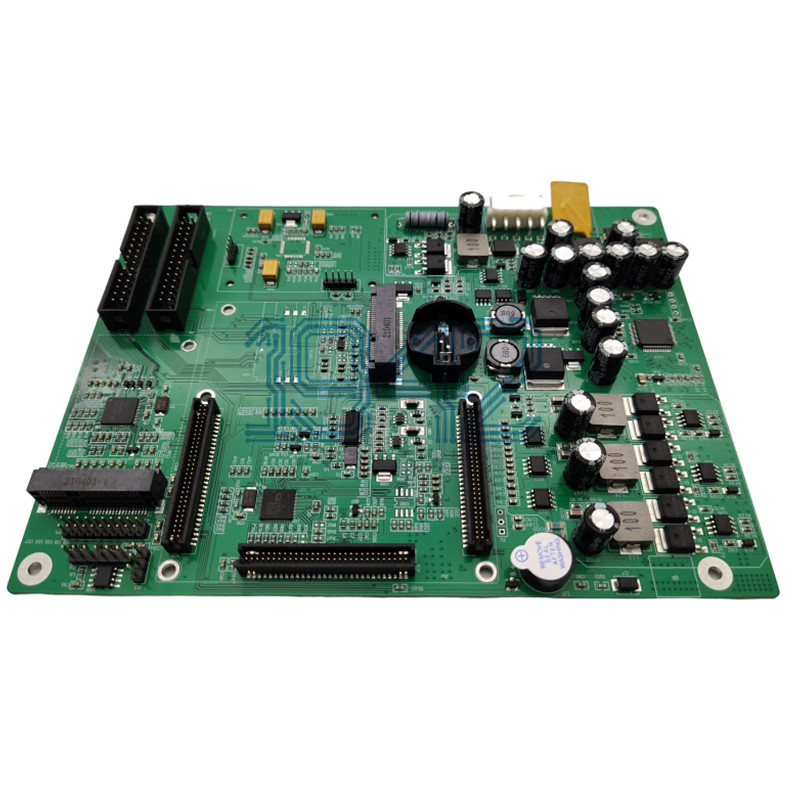
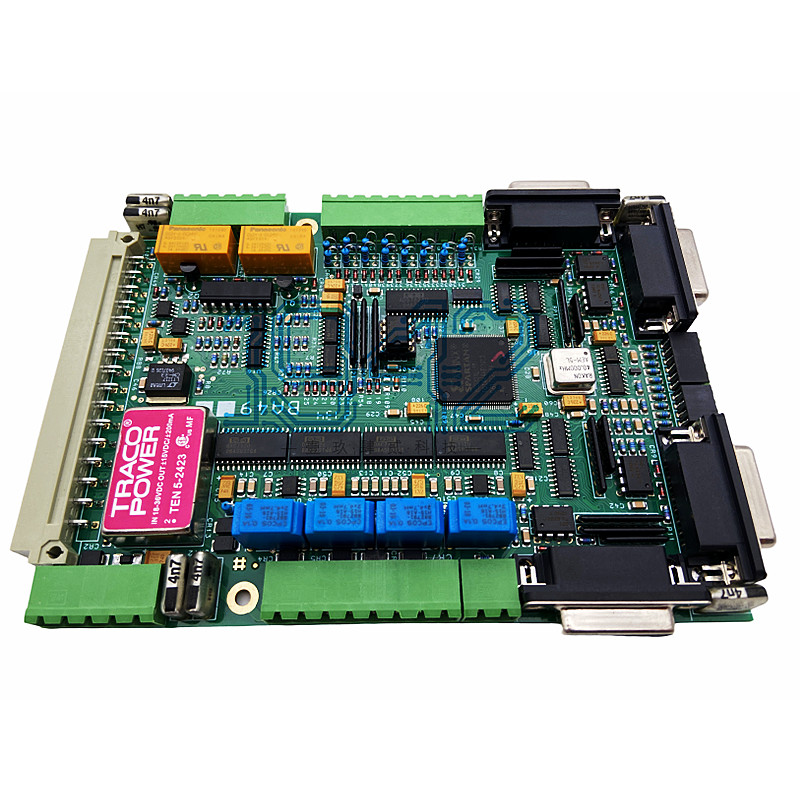
Point:420
Components type:80
PCB size: 321*234mm
Minimum package size of resistance capacitance sensing: 0402
Minimum device pin spacing:0.5
Welding mode:Reflow soldering for double side + Wave soldering.
Manufacturing process: PCB producing + components procurement + assembly
For modern hardware projects integrating high-density Programmable Logic Devices (FPGAs) and Complex Programmable Logic Devices (CPLDs), assembly precision and electrical integrity are paramount. FPGAs typically feature high pin counts, fine-pitch Ball Grid Arrays (BGAs), and complex multi-layer PCB routing demands.
Shenzhen 1943 Technology Co., LTD. provides a highly integrated, one-stop PCBA manufacturing service tailored to these sophisticated designs. We bridge the critical gap between raw design files and stable, mass-produced physical hardware through our structured New Product Introduction (NPI) methodology.
Moving a highly complex FPGA design from the R&D lab to mass production is rarely a seamless transition. Design tolerances, component sourcing variances, and assembly line limits can all introduce unpredictable risks.
At Shenzhen 1943 Technology, we treat the New Product Introduction (NPI) phase as a rigorous, scientific process to establish clear, repeatable manufacturing standards before scaling up production. Our NPI framework systematically addresses four critical dimensions of your project:
We evaluate and verify every step of the manufacturing and assembly line to ensure repeatable yields:
PCB Fabrication: High-aspect-ratio vias, controlled impedance, and signal integrity for high-speed FPGA lines.
Surface Mount Technology (SMT): Precise solder paste printing and fine-pitch BGA placement using automated 3D SPI and X-ray inspection.
Dual In-line Package (DIP) & Selective Wave Soldering: Stable thermal profiles for mixed-technology boards.
Testing & Inspection: Custom Functional Testing (FCT), In-Circuit Testing (ICT), and automated boundary-scan testing for complex FPGA footprints.
Assembly, Packaging, and Protection: Custom housing integration, robust packaging, and specialized protection such as conformal coating for harsh environments.
FPGA boards often contain hundreds of passive components alongside active logic ICs. During the NPI stage, we scrutinize your Bill of Materials (BOM) to verify:
Component Authenticity & Quality: Strict verification of high-value components (FPGAs, memory chips, power management ICs) through authorized distribution networks.
Lifecycle and Obsolescence Analysis: Identifying single-source components, end-of-life (EOL) risks, or long-lead-time parts early, recommending reliable pin-to-pin drop-in alternatives.
Supply Chain Redundancy: Establishing multi-channel sourcing pipelines to prevent production bottlenecks.

A functional board in the lab must also be a reliable board in the field. Our NPI engineers perform thorough Design for Manufacturing (DFM) and Design for Testing (DFT) reviews. We assist in identifying thermal hotspots near high-power FPGAs, stress points on dense PCBs, and mechanical tolerances of connectors to guarantee the final product's long-term operational stability.
In highly competitive markets, time-to-market determines success. Our structured NPI workflow isolates, documents, and resolves engineering roadblocks early in the prototype phase. By establishing clear production files, standardized testing fixtures, and optimized assembly parameters up front, we compress the transition timeline from pilot runs to high-volume production, ensuring your project hits its target launch window.
BGA Capability: Pitch down to 0.3mm, with automated optical inspection (AOI) and high-resolution X-ray inspection.
Quality Certifications: ISO 9001 compliant processes, IPC-A-610 Class 2 and Class 3 manufacturing standards.
Traceability: Full barcode/QR code tracking systems for components and assembly steps.
Whether you are developing complex telecommunication gear, industrial automation controllers, or edge computing systems, Shenzhen 1943 Technology Co., LTD. provides the manufacturing precision and engineering support required to bring your FPGA designs to life reliably and predictably.
Let the products quickly and stably realize marketization and become the global electronic intelligence innovation enabler