Internet of things

Communication IoT PCBA Assembly & NPI Services | Shenzhen 1943 Technology

Shenzhen 1943 Technology provides high-reliability Communication IoT PCBA manufacturing and NPI services. We validate processes, materials, reliability, and lead times to ensure seamless transition from R&D to mass production.

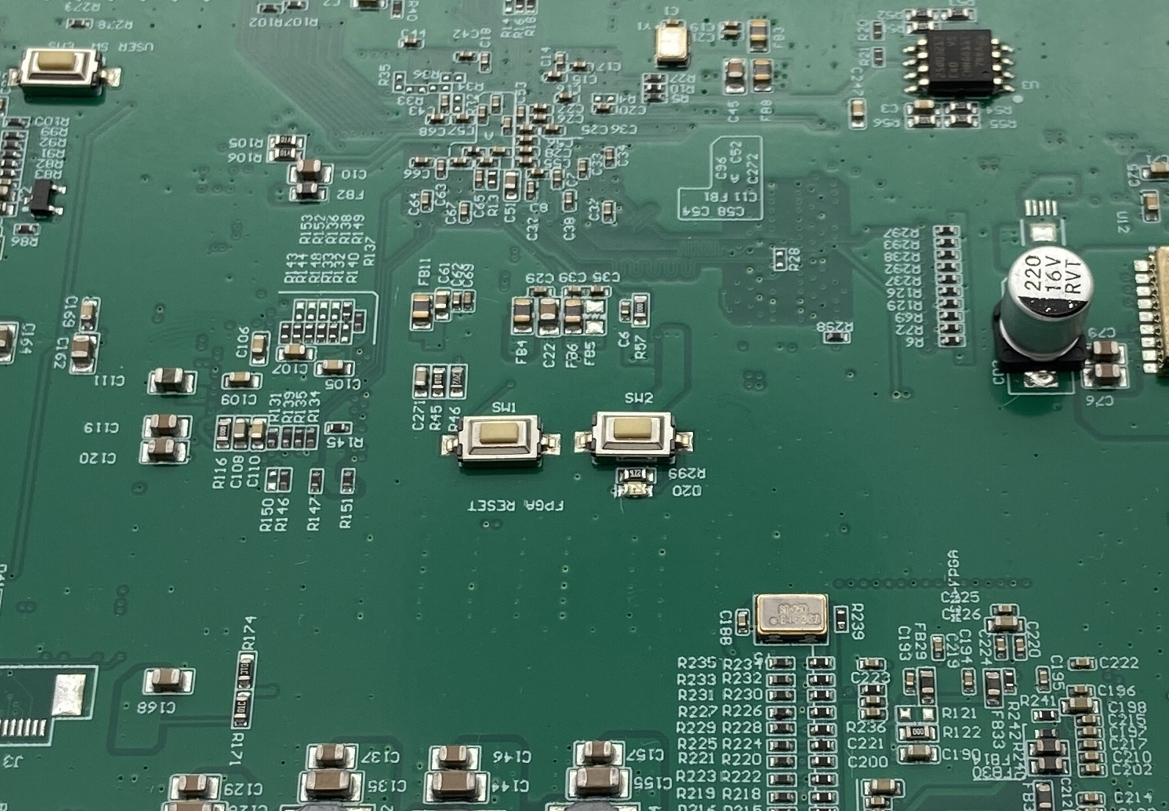
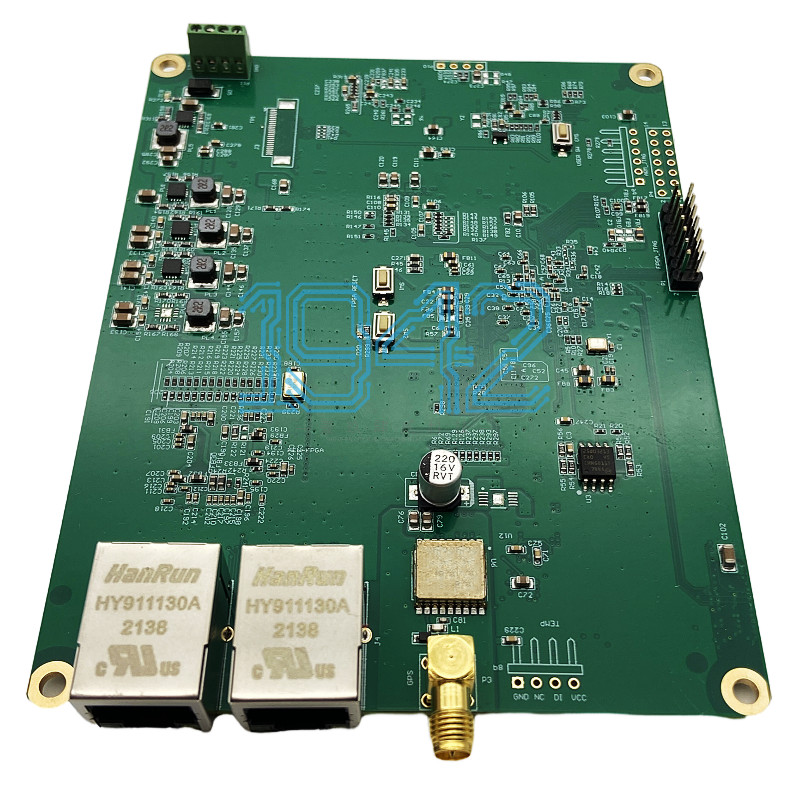
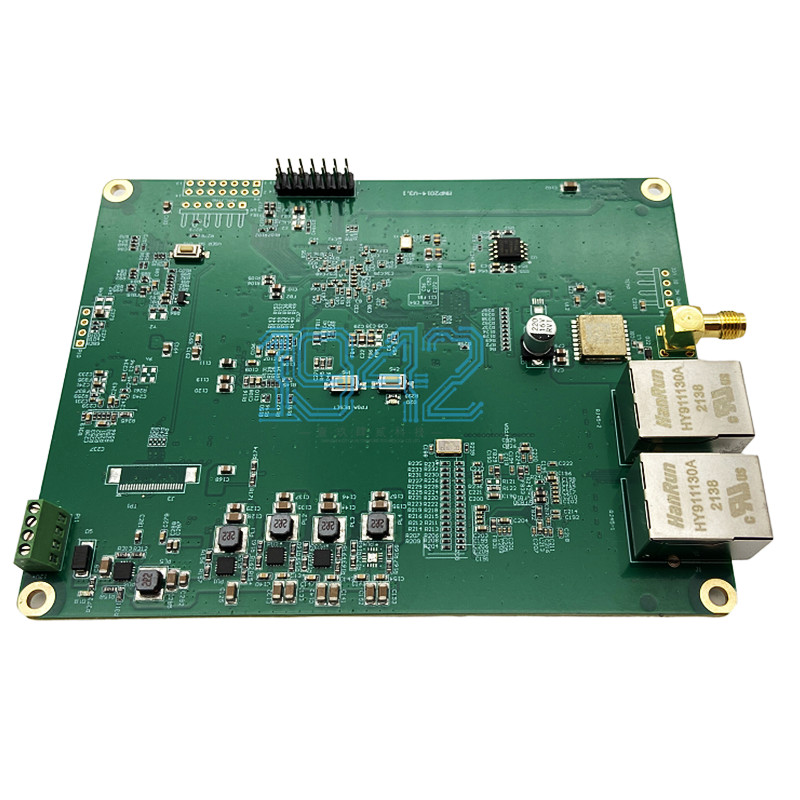
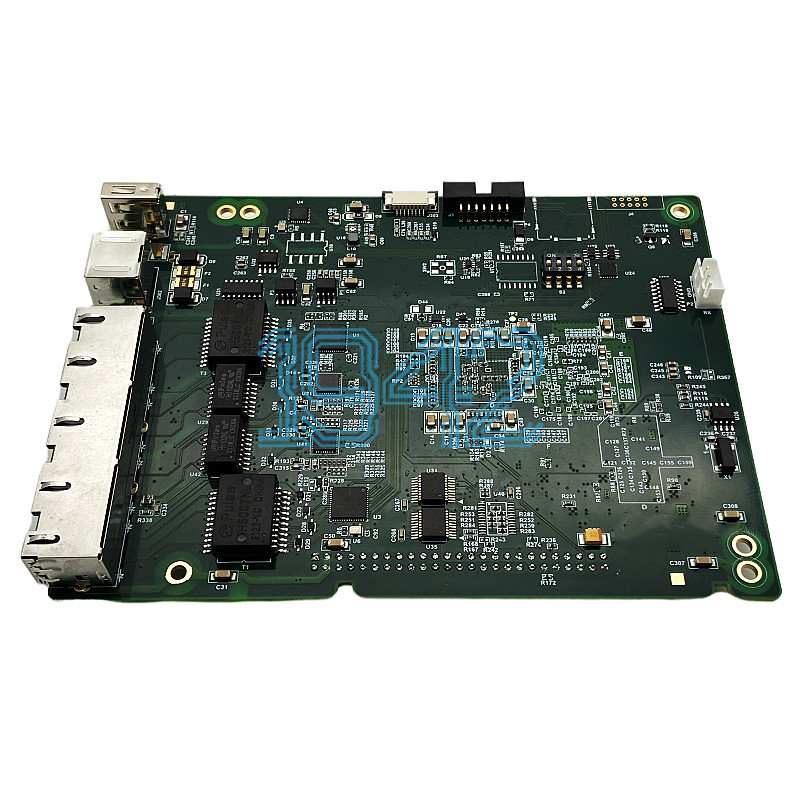
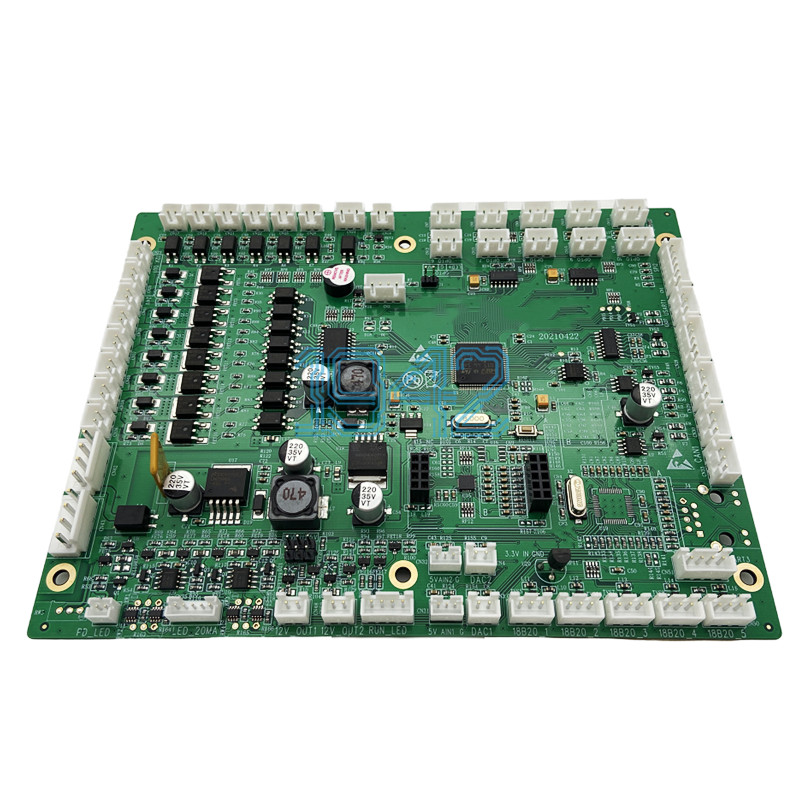
Point:364

Components type:82

PCB size: 151*136mm

Minimum package size of resistance capacitance sensing: 0402

Minimum device pin spacing:0.5mm

Welding mode:Reflow soldering for double side + Wave soldering.

Manufacturing process: PCB producing + components procurement + assembly

Shenzhen 1943 Technology Co., LTD. provides Communication IoT PCBA solutions and PCBA NPI services for electronic products from prototype development to volume manufacturing. With experience in PCB assembly, SMT, DIP, testing, assembly, and production process management, we support customers in establishing reliable manufacturing standards during the transition from R&D to mass production.

For Communication IoT products, PCBA is the core platform that connects hardware functions, communication modules, sensors, control units, and intelligent systems. The manufacturing process requires not only accurate assembly capability but also stable processes, reliable materials, consistent quality control, and efficient project management. 1943 Technology focuses on helping customers build a complete and practical production system through professional NPI (New Product Introduction) services.

PCBA NPI is an essential stage between product development and mass production. It is the process of transforming a design concept and engineering prototype into a stable, repeatable, and scalable manufacturing solution. At this stage, 1943 Technology helps customers establish production standards and verify whether the entire manufacturing process is ready for market delivery.

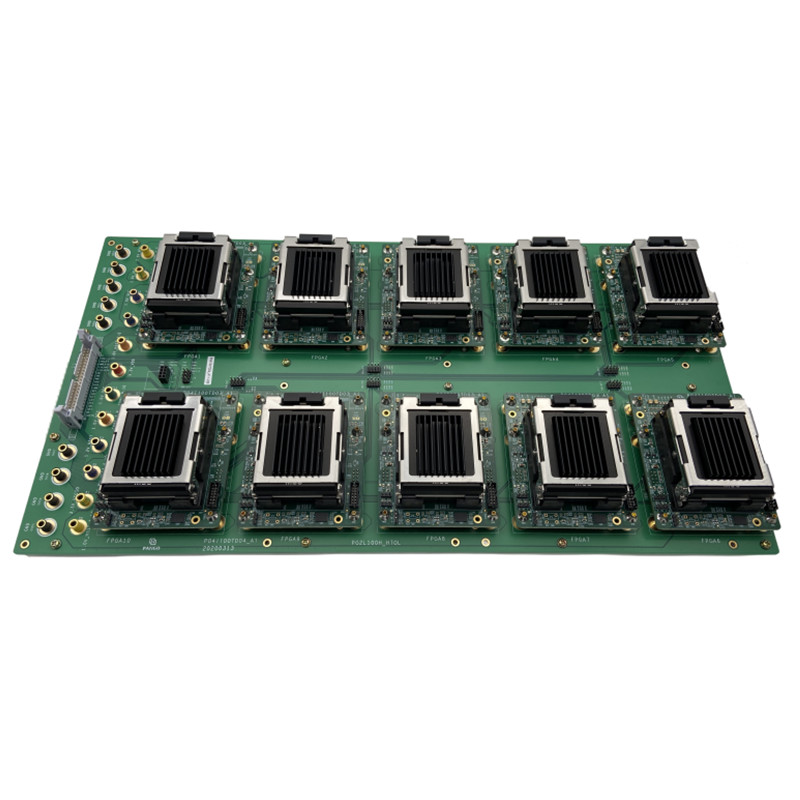
The NPI production line verification covers the complete manufacturing flow, including PCB fabrication coordination, SMT assembly, DIP assembly, functional testing, product assembly, packaging, and protection processes. Through process evaluation and trial production, potential manufacturing issues can be identified and optimized before mass production, ensuring that the production line can meet quality and efficiency requirements.

Material selection and supply chain reliability are also key parts of PCBA NPI services. 1943 Technology works with customers to review component specifications, supplier capabilities, material availability, and supply chain risks. By evaluating component quality, procurement stability, and alternative solutions, we help create a more reliable supply system for long-term production.

PCBA manufacturing & NPI Services

Product reliability verification is another important focus during NPI. Communication IoT devices often operate in complex environments and require stable performance over extended periods. During the introduction stage, manufacturing parameters, testing methods, and quality inspection procedures are reviewed and improved to ensure the final product meets reliability expectations.

Project schedule management is closely connected with successful product introduction. From engineering samples to pilot production and mass production preparation, 1943 Technology coordinates manufacturing resources, process optimization, and production validation to help customers achieve their planned product launch timeline.

Our PCBA manufacturing capabilities include PCB assembly, SMT production, DIP processing, automated and manual assembly, functional testing, aging testing support, final product assembly, and customized packaging solutions. Combined with NPI experience, these capabilities allow us to support different types of Communication IoT applications, including communication equipment, industrial IoT devices, smart control systems, and embedded electronic products.

Shenzhen 1943 Technology Co., LTD. is committed to building a structured bridge between product design and manufacturing. Through PCBA NPI services, we help customers establish reliable processes, reduce production risks, improve manufacturing efficiency, and prepare products for stable volume production.