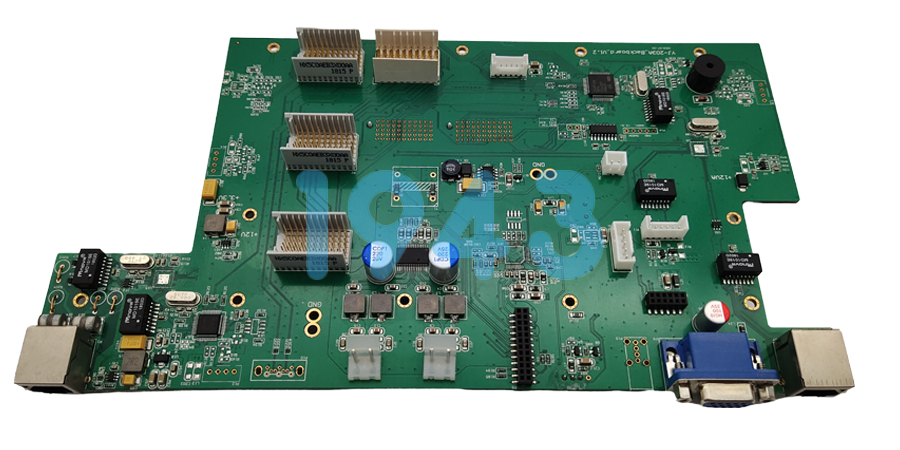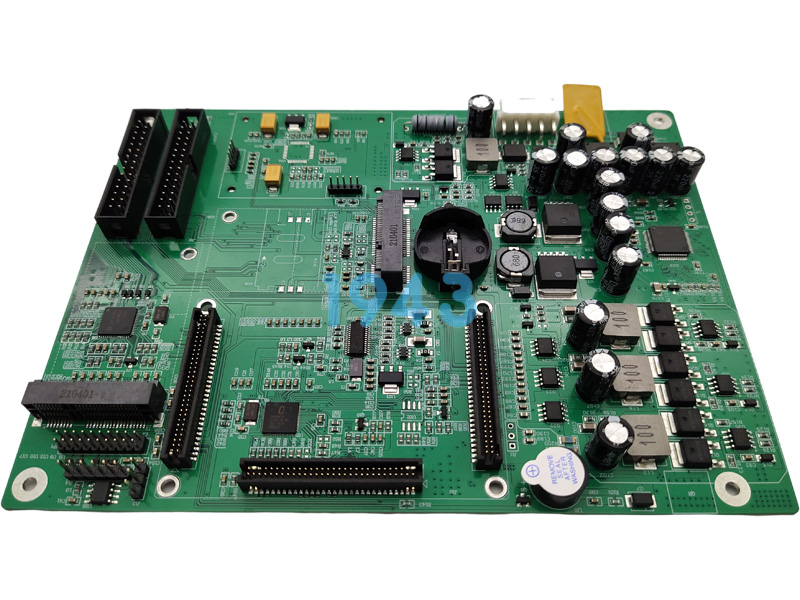


Turning a hardware concept into a mass-producible product is rarely a straight line. For many engineering teams, the gap between a finished PCB design and stable manufacturing is where projects face delays, budget overruns, and unexpected quality issues.
The key to bridging this gap is a robust New Product Introduction (NPI) process.
At 1943 Tech, we specialize in providing comprehensive PCBA NPI services tailored for R&D teams and hardware startups. Based in Shenzhen, we support everything from initial prototyping and engineering validation to small-batch production and final system assembly—ensuring your product transitions smoothly from the lab to the market.
What is NPI in PCBA Manufacturing?
In electronics manufacturing, NPI is not just about building a few samples. It is a structured methodology designed to validate your product's manufacturability before full-scale production begins.
Skipping or rushing the NPI phase often leads to costly redesigns later. A well-executed NPI process delivers three critical benefits:
- Eliminating Design Risks: Identifying potential layout or packaging issues early through DFM analysis.
- Process Optimization: Establishing precise soldering profiles and assembly parameters to guarantee consistency.
- Faster Time-to-Market: Reducing the number of "build-fix-repeat" cycles, allowing you to launch with confidence.
Our End-to-End NPI Process at 1943
We don't just assemble boards; we partner with you to refine your manufacturing strategy. Our workflow covers every stage of the product lifecycle:
1. Early Engagement: DFM Analysis Before any components are placed, our engineering team conducts a thorough Design for Manufacturability (DFM) review. We analyze your Gerber files and BOM to check for component spacing, pad design compatibility, and thermal considerations. By catching these issues upfront, we prevent defects that typically arise during high-speed SMT placement.
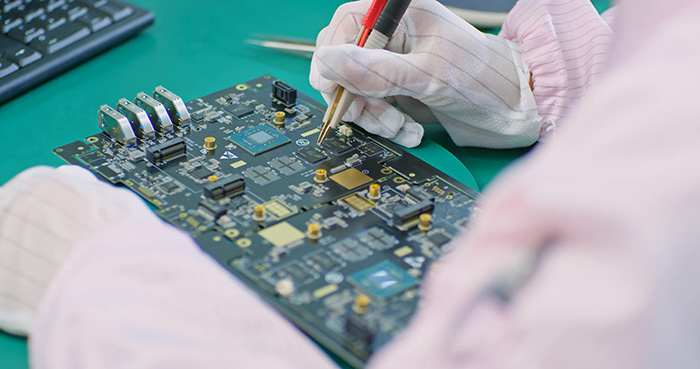
2. Prototyping & First Article Inspection (FAI) Accuracy is paramount during the prototype phase. We utilize high-precision laser-cut stencils to ensure optimal solder paste deposition. Every build undergoes a rigorous First Article Inspection (FAI), verifying component polarity, values, and coordinates against your design files. Combined with SPI (Solder Paste Inspection) and AOI (Automated Optical Inspection), we ensure your initial samples are built right the first time.
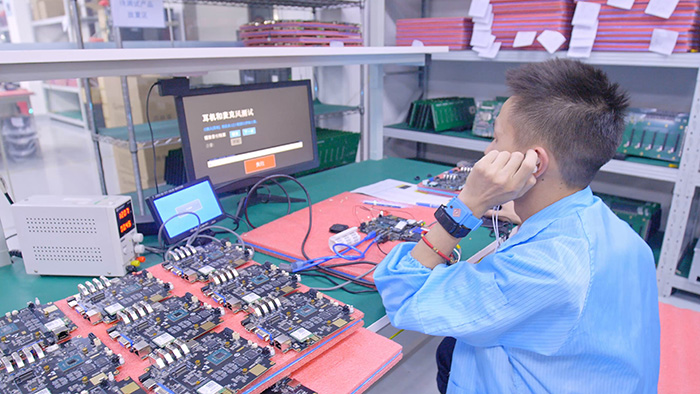
3. Pilot Run & Process Validation Moving from prototypes to a pilot run (typically tens to hundreds of units) tests the stability of the assembly process. During this phase, we fine-tune reflow oven temperature profiles, optimize test fixtures, and monitor yield rates across consecutive batches. This data is crucial for validating your design under real manufacturing conditions.
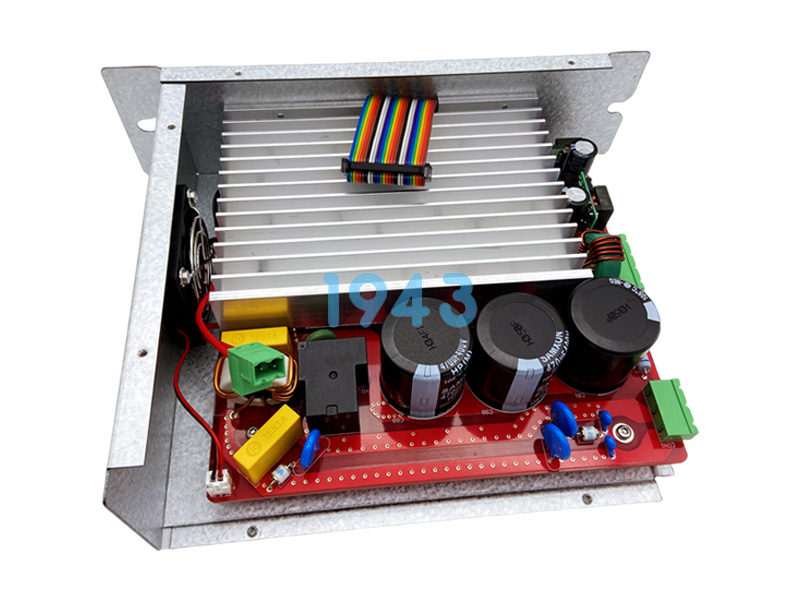
4. Transition to Production & Final Assembly Once the pilot run meets all quality targets, we lock in the process documentation for mass production. Beyond PCBA, 1943 Tech offers complete box-build assembly. This includes conformal coating, enclosure integration, cable harnessing, functional testing, and final packaging. We deliver a ready-to-ship product, not just a bare board.
Why Choose 1943 Tech for Your NPI Needs?
Finding an SMT partner that truly understands the agility required for R&D can be challenging. Here is why international clients trust 1943 Tech:
- Specialized in Low-Volume & High-Mix: Unlike factories that only prioritize massive orders, we excel at supporting R&D prototypes and small-batch runs without compromising on quality or lead time.
- One-Stop Turnkey Solutions: From sourcing hard-to-find components to final product assembly and testing, we handle the entire supply chain, reducing your management overhead.
- Agile Engineering Support: We understand that designs change. Our team responds quickly to Engineering Change Orders (ECOs) and provides rapid feedback on component obsolescence or alternatives, keeping your project on schedule.
Frequently Asked Questions (FAQ)
Q1: My design requires frequent revisions. How do you handle engineering change orders (ECOs)? A: We are built for agility. For every project, we maintain detailed process records. When you release a new revision, our engineering team immediately compares the changes, updates the pick-and-place programs and stencil designs, and executes the new build rapidly to support your iterative development cycle.
Q2: Do you accept very small orders for prototyping? A: Yes. We understand the needs of R&D phases. 1943 Tech supports low-volume orders starting from just a few pieces for prototyping, scaling up seamlessly to small-batch production runs. We do not impose restrictive Minimum Order Quantities (MOQs) for NPI projects.
Q3: Can you handle full product assembly, not just the PCB? A: Absolutely. We offer comprehensive box-build services. This includes integrating the PCBA into enclosures, adding cables and peripherals, performing firmware flashing, conducting functional and burn-in tests, and applying retail packaging. We can ship the finished goods directly to your end customers or distribution centers.
Q4: What happens if there are obsolete or long-lead-time components in my BOM? A: Supply chain resilience is part of our NPI service. During the BOM review, if we identify components that are obsolete, scarce, or have long lead times, our team will proactively suggest functionally equivalent, readily available alternatives for your approval, ensuring your production timeline remains unaffected.
 2026-05-14