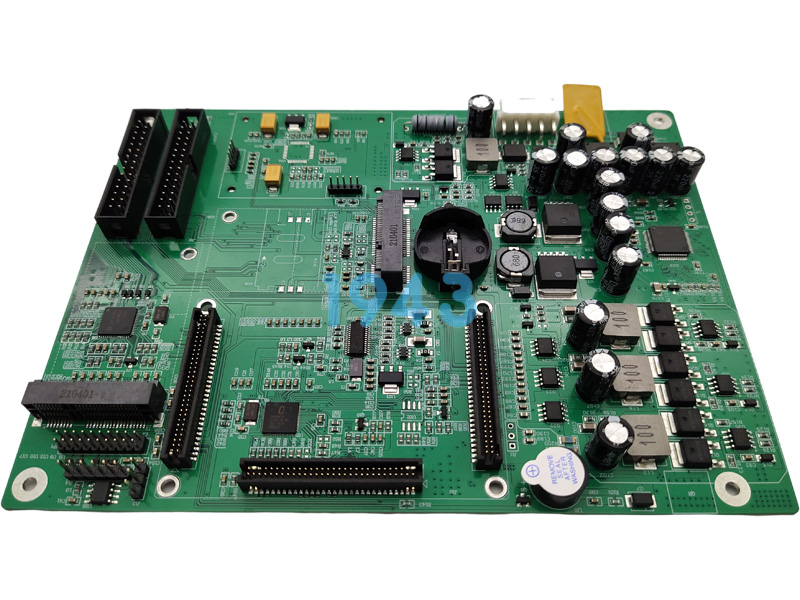


Getting a new hardware design from the lab to stable production requires more than a prototype run. It needs a controlled process to validate the design, lock down manufacturing parameters, and confirm the product can be built repeatedly without defects. That process is NPI—New Product Introduction.
For teams working on early-stage hardware, pilot builds, or pre-production validation, NPI services bridge the gap between R&D and mass manufacturing. This article explains what PCBA NPI services involve, why they reduce risk before scaling up, and how to choose a manufacturing partner that supports low-volume assembly and engineering pilot runs.
What Is PCBA New Product Introduction (NPI)?
PCBA NPI is a structured manufacturing service that takes a new circuit board design through its first controlled production cycles. It covers DFM (Design for Manufacturability) review, component sourcing validation, process development, first-article inspection, test verification, and documentation for future builds.
Unlike a simple PCB prototype order, NPI focuses on process validation. The goal is not just to build working boards, but to confirm that the design, materials, and assembly parameters work together reliably. By the end of NPI, the manufacturing process should be repeatable, the test coverage defined, and the quality standards established.
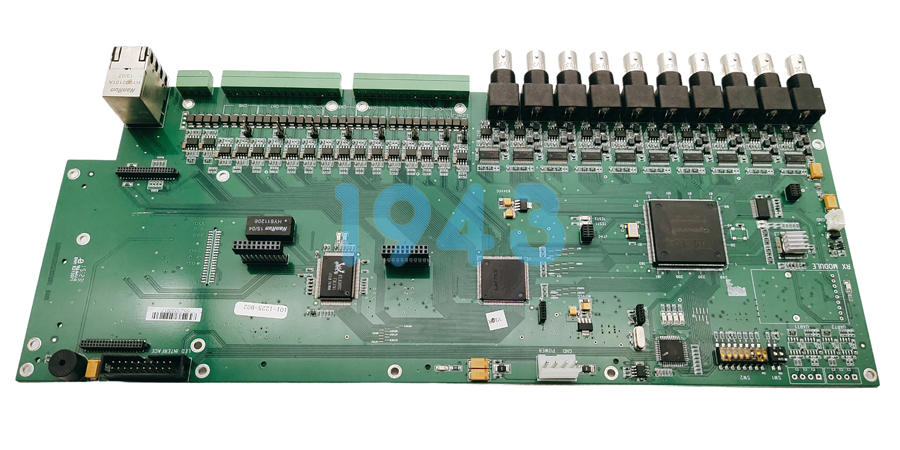
Why NPI Matters for Engineering and Pilot Builds
Engineering teams often face a gap between functional prototypes and mass production. Design changes are still coming in. Components may be unproven. The assembly process has not been stress-tested. Sending an unvalidated design straight to high-volume manufacturing is a common source of field failures, costly rework, and schedule delays.
A proper NPI phase solves this by:
- Catching DFM issues early – Pad geometries, component spacing, and thermal profiles are reviewed before the first board is soldered.
- Stabilizing the process window – Reflow profiles, solder paste selection, and placement parameters are tested and locked for consistency.
- Validating test coverage – ICT, FCT, or burn-in protocols are confirmed against real production units, not just golden samples.
- Reducing downstream risk – Problems found during a 20-unit pilot build are far cheaper to fix than during a 2,000-unit production run.
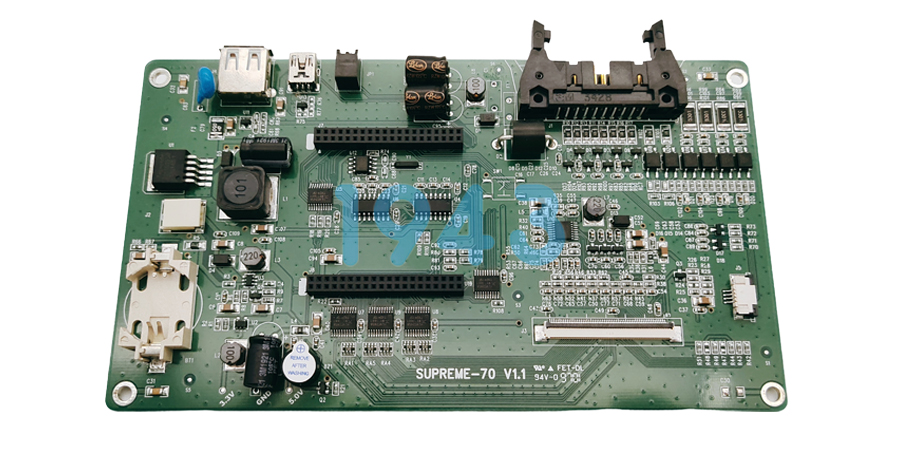
The NPI Process: From First Article to Process Validation
At 1943 Technology, NPI projects follow a clear workflow designed to move designs from engineering validation into a production-ready state.
1. DFM Review and File Audit
Before any components are placed, our engineering team reviews Gerber files, BOMs, and placement data. We flag issues like insufficient clearances, non-standard footprints, or components that may create placement or soldering challenges. Clients receive a DFM report with actionable feedback.
2. Material Validation and Kit Check
NPI often involves new or alternate components. We verify availability, check for long-lead items, and confirm that substitutions meet the electrical and mechanical requirements. This prevents line stoppages during the pilot build.
3. First Article Build and Process Tuning
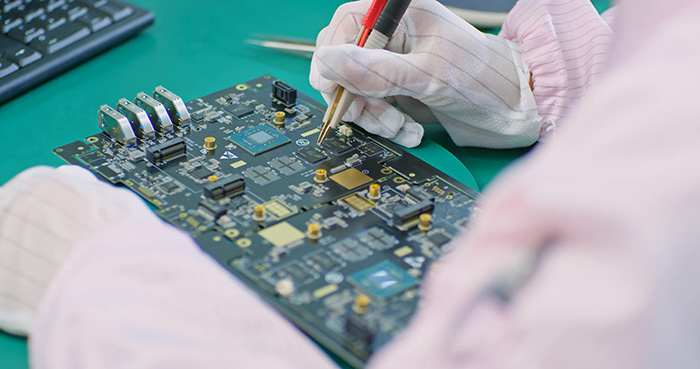
The first few units are built under close engineering supervision. SPI (Solder Paste Inspection), AOI (Automated Optical Inspection), and X-Ray analysis are used to verify print quality, placement accuracy, and solder joint integrity. Reflow profiles are adjusted if needed.
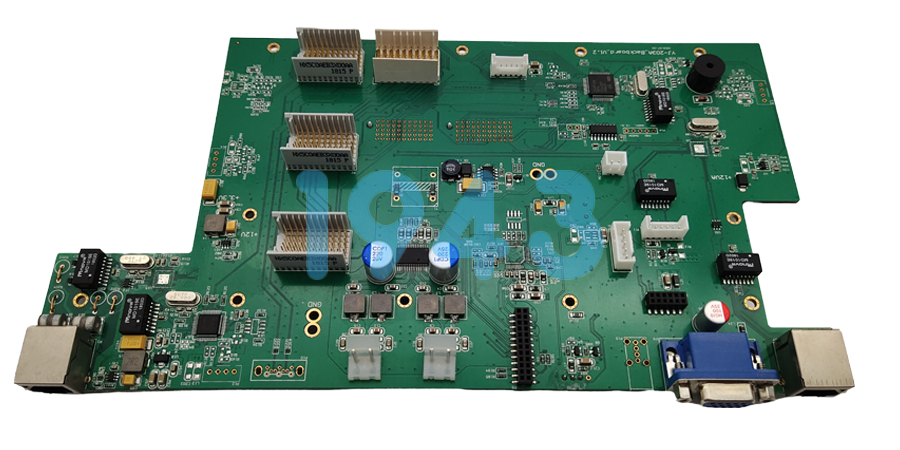
4. Functional Test and Reliability Check
Units move to electrical testing based on the client’s test plan. This may include ICT, boundary scan, firmware loading, or functional testing. Any failures are traced back to design, process, or component root causes.
5. NPI Report and Production Handover
We deliver a comprehensive NPI report documenting process parameters, inspection results, failure analysis, and corrective actions. If the project moves to larger volumes, this report becomes the baseline for the production work instructions.
1943 Technology NPI Service Capabilities
1943 Technology operates as an SMT and PCBA manufacturing partner focused on the early stages of the product lifecycle. Our NPI services are built for hardware teams that need fast turnaround, engineering flexibility, and low-volume assembly under one roof.
Engineering Pilot and Mid-Stage NPI Support
We maintain a dedicated NPI line separate from high-volume production. This means engineering builds and pilot runs are not queued behind large orders. Our team is accustomed to frequent BOM changes, short-notice design revisions, and small batch sizes ranging from a single unit to several hundred.
Low-Volume Box-Build and Final Assembly
Beyond bare board population, we provide mechanical assembly, cable harness integration, software loading, system-level testing, and packaging. This reduces the number of vendors a client must coordinate during the pre-production phase.
Engineering-Driven Collaboration
Our process engineers work directly with client hardware teams during DFM review. We do not treat NPI as a standard job-shop transaction. If a design choice creates a manufacturability risk, we flag it and propose alternatives before the build starts.
Traceable Quality Records
Every NPI build includes full process traceability: solder paste inspection data, AOI results, X-Ray images for BGA or QFN devices, and test logs. These records support failure analysis and regulatory documentation if needed later.
Transparent Project Management
Each NPI project is assigned a dedicated program manager who coordinates material readiness, build schedules, and milestone updates. Clients receive clear timelines and are notified immediately if engineering questions arise during the build.
Frequently Asked Questions (FAQ)
Q1: What is the difference between NPI and standard PCB prototyping?
A: Prototyping focuses on building functional units to verify circuit design. NPI goes further by validating the manufacturing process itself—locking reflow profiles, confirming test coverage, and documenting process parameters so the design can move to repeated production with predictable yields.
Q2: We expect BOM changes during the pilot phase. How do you handle that?
A: BOM changes are normal in NPI. We ask clients to notify us as soon as a revision is ready. Our engineering team re-evaluates the DFM impact and component availability, then reschedules the build. Because NPI runs on a flexible line, we can accommodate revisions without long delays.
Q3: What is included in your low-volume box-build assembly service?
A: Low-volume box-build includes PCBA population, mechanical assembly (enclosures, brackets, hardware), cable and connector integration, firmware loading, functional testing, labeling, and packaging. We ship finished goods ready for end-user deployment or beta distribution.
Q4: What is a typical build quantity for an NPI phase?
A: It depends on test coverage needs and product complexity. Most NPI pilot runs range from 5 to 50 units. The goal is to generate enough data to validate the process and support reliability testing. We support NPI builds from single units up to low hundreds, with no minimum order requirement tied to future mass production commitments.
Conclusion
NPI is the critical step that determines whether a new hardware design can move from engineering validation into stable, repeatable manufacturing. A manufacturing partner that understands pilot builds, tolerates design iteration, and delivers low-volume finished assemblies can significantly shorten a product’s path to market.
1943 Technology provides PCBA NPI services designed for hardware teams in the engineering and pre-production phase. If you need a partner for controlled pilot builds, process validation, or low-volume box-build assembly, contact us to discuss your project requirements and timeline.
 2026-05-14