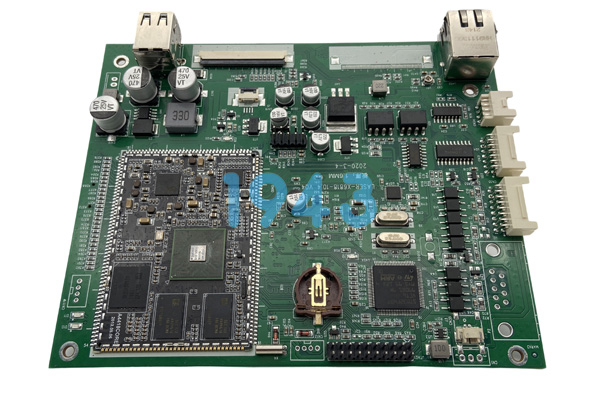


In today’s era of rapid hardware iteration, competition in the electronics manufacturing industry extends far beyond simple assembly. For many R&D-driven companies, the most daunting phase isn’t mass production, but rather the unpredictable "R&D pilot run" bridging the gap between a schematic and a final product. How do you ensure the first batch of PCBAs powers on successfully? How do you prevent design flaws from delaying mass production? The answer lies in professional PCBA New Product Introduction (NPI) services.
As a dedicated SMT assembly factory, 1943 Technology understands that exceptional SMT manufacturing is more than just placing components onto a PCB—it’s about paving a smooth path from the lab to the market through a systematic NPI process.
The Core Challenge: Why is R&D Pilot Run NPI So Important?
Many hardware teams opt for basic subcontracting factories lacking NPI capabilities during early prototyping, often leading to critical setbacks:
-
Poor Design for Manufacturing (DFM): Engineers design without considering SMT process limits, resulting in low assembly yields and time-consuming, costly board revisions.
-
BOM and Component Risks: Random component selection during R&D leads to high risks of part shortages, obsolete components, and a lack of equivalent substitutes, causing indefinite pilot run delays.
-
Insufficient Process Validation: Without professional stencil aperture optimization and precise reflow soldering profiling, micro-components and odd-form parts frequently suffer from virtual soldering or bridging.
A professional R&D pilot run NPI service is designed to eliminate these risks early in the trial production phase, ensuring a seamless transition from design to manufacturing.
1943 Technology’s Core Advantages in PCBA New Product Introduction (NPI)
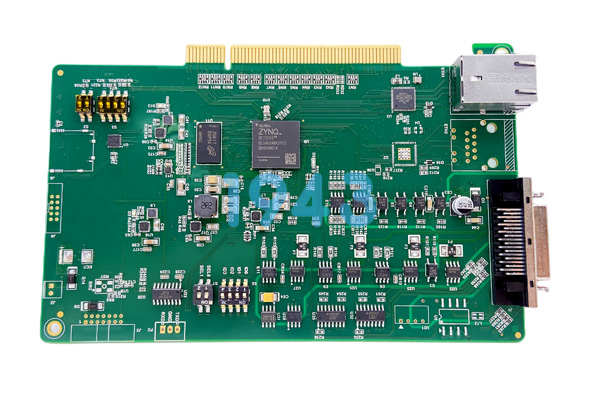
In the realm of SMT assembly and PCBA manufacturing, 1943 Technology treats NPI as the true starting point of quality. We provide high-precision SMT placement alongside full-process NPI empowerment:
1. In-Depth DFM Analysis and Optimization
Before any SMT production begins, 1943 Technology’s NPI engineering team conducts a comprehensive review of your Gerber files and BOM. From pad design and component spacing to trace layout, we identify and correct potential manufacturing risks upfront—eliminating design flaws at the source and drastically reducing prototyping revision costs.
2. Dedicated R&D Pilot Run NPI Support
R&D phases are characterized by high mix, low volume, and complex processes. 1943 Technology provides flexible R&D pilot run NPI support tailored to these needs. We assist with process routing, perform kitting analysis, and offer procurement along with substitute component suggestions. This ensures rapid material consolidation and shortens your prototype cycle, helping you seize market opportunities faster.
3. Low-Volume Box Build Assembly Services
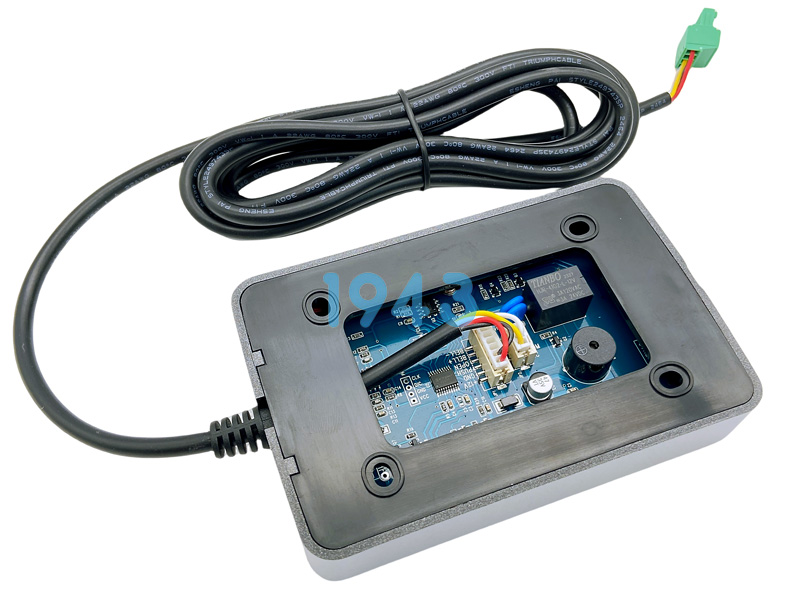
Bringing a hardware product to life goes beyond a bare PCBA. 1943 Technology offers comprehensive low-volume box build assembly services, encompassing PCBA functional testing (FCT), final system integration, cable harnessing, firmware burning, and aging tests. From pilot prototyping to low-volume assembly, we provide a one-stop closed-loop delivery, shipping ready-to-use terminal products directly to you.
4. Closed-Loop Process Standardization
All process parameters validated during the NPI phase—such as SPI inspection standards, reflow profiles, and AOI inspection criteria—are fully documented by 1943 Technology and transformed into standardized mass production control plans. This guarantees a smooth, seamless transition from dozens of pilot units to large-scale mass production, with consistent yields throughout.
Choose 1943 Technology for Efficient Product Introduction
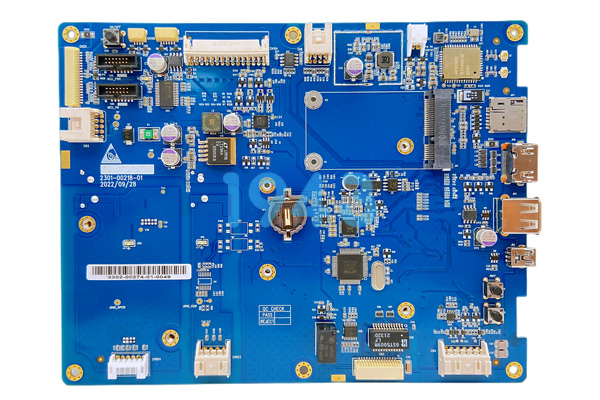
The technical capability of SMT assembly defines the baseline of your product, but the service capability of PCBA New Product Introduction (NPI) defines its ceiling. 1943 Technology remains committed to NPI-driven manufacturing, clearing prototyping hurdles for R&D companies through rigorous engineering reviews,Refinement process control, and flexible low-volume box build assembly services.
Whether you are a startup in the concept validation phase or an established enterprise seeking supply chain optimization, 1943 Technology is your trusted partner for SMT assembly and PCBA manufacturing.
Frequently Asked Questions (FAQ)
Q1: What is PCBA New Product Introduction (NPI), and why is it necessary in SMT manufacturing?
A1: NPI (New Product Introduction) is the bridge between R&D and manufacturing. In SMT manufacturing, NPI proactively eliminates design-side manufacturing risks through upfront DFM reviews, process validation, and material audits. It is a critical step to avoid low trial yields, frequent board revisions, and mass production delays, ultimately reducing overall manufacturing costs.
Q2: How does SMT assembly for an R&D pilot run differ from mass production?
A2: R&D pilot runs typically feature high mix, low volume, and frequent design changes, requiring extreme flexibility from the SMT production line. Additionally, pilot runs focus heavily on process validation and defect analysis rather than sheer throughput. 1943 Technology specifically addresses these needs with fast-response NPI services that accommodate frequent BOM iterations and process adjustments.
Q3: What does 1943 Technology's low-volume box build assembly service include?
A3: Our low-volume box build assembly goes beyond high-precision SMT placement and DIP insertion. It extends to subsequent PCBA functional testing (FCT), complete system integration, cable assembly, software flashing, burn-in testing, and final packaging—providing you with a one-stop delivery from bare boards to finished, ready-to-ship terminal products.
Q4: Can 1943 Technology's NPI team help if our BOM contains obsolete or hard-to-find components?
A4: Absolutely. During the NPI review phase, 1943 Technology's engineers perform kitting and lifecycle analysis on your BOM. If we identify shortages, obsolete parts, or long-lead-time components, we leverage our extensive supply chain network to provide Pin-to-Pin equivalent component recommendations or upgrade solutions, ensuring your R&D pilot run and low-volume production proceed without delay.
 2026-05-13