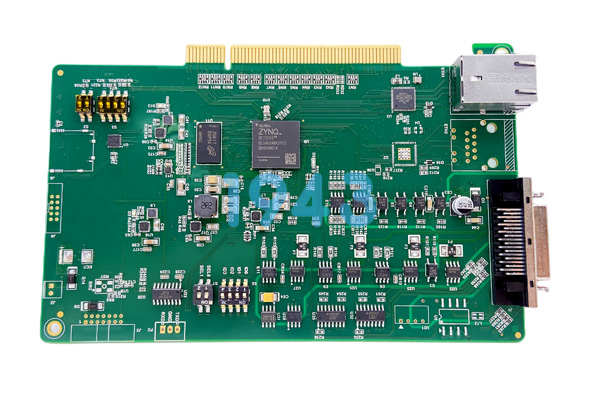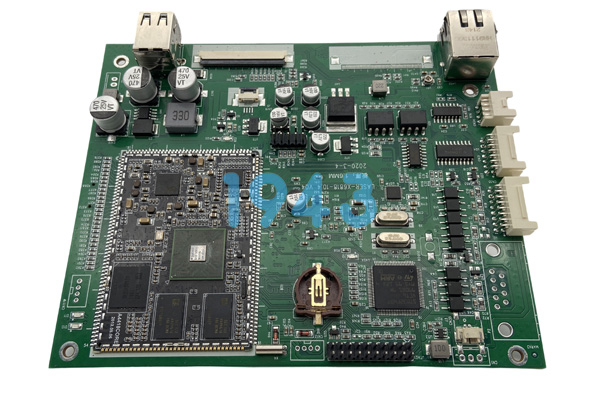


For most hardware engineers, finishing a PCB layout and sourcing components is only half the battle. The real headache starts when you try to turn a few prototype boards into stable, repeatable PCBA in small batches. This transition phase is called New Product Introduction (NPI). If NPI isn’t done well, engineering and production keep going back and forth – one design change can take two weeks, first‑pass yield stays low, and the same problems show up again and again. Many good products get delayed because of that.
This article explains how we at 1943 Technology handle NPI for PCBA, especially for R&D pilot runs and low‑volume finished assembly. If you are looking for an SMT partner that can keep up with fast product iterations, you might find this useful.
What problem does NPI solve?
Simply put, NPI turns your engineering design and BOM into a manufacturing process that works reliably at small scales. It usually involves these steps:
- Design for Manufacturing (DFM) review – Before we place any components, we check your Gerber files, BOM, and assembly drawings. For example, a component too close to the board edge may not be reachable by the pick‑and‑place machine; a certain pad design might cause shorts. Fixing those issues in the design saves much more time than stopping the production line later.
- Prototype sample build – We assemble a small quantity (e.g., 10–50 boards) and run full inspections: solder paste inspection (SPI), AOI, X‑ray for BGA, and functional testing (FCT). Any issue found here can still be fixed by revising the design.
- Low‑volume pilot run – Usually 200–500 boards, run with production‑like settings to check stability. For instance, is the reflow profile consistent? Is placement accuracy within spec?
- Low‑volume finished assembly – After SMT and DIP (through‑hole) work, we complete additional steps as needed: depanelization, programming, conformal coating, FCT, mechanical assembly, and packaging – delivering boards that are ready to use.
You might ask: isn’t that just normal prototyping? The difference is that normal prototyping only cares about making a few samples, not about whether the same process can be repeated for larger batches. NPI, on the other hand, systematically records process data from each step. When you want to ramp up later, you already have a proven process to follow.
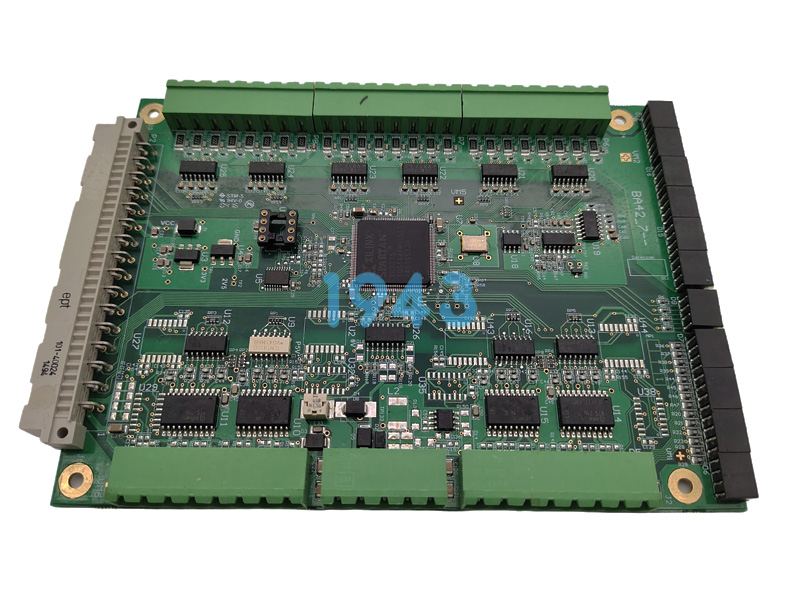
How NPI supports fast iterations during R&D pilots
Many engineering teams are afraid of design changes – swapping a component, moving a few traces, then rushing to test again. Traditional high‑volume SMT shops dislike such orders because frequent changeovers hurt their efficiency.
1943 Technology’s NPI service is designed specifically for R&D pilots. We set up flexible work cells on our SMT line so even a few dozen boards can be switched in quickly. The typical workflow:
- You send Gerber files, BOM, and assembly drawings.
- We finish the DFM review within half a day and mark potential risks (e.g., wrong resistor footprint, insufficient test points).
- You confirm the changes or approve the design as is.
- After all components are ready, we run the pilot – usually 3–5 business days for sample delivery (72‑hour expedited service available).
- If you need a revised version, we repeat the same process. Every version’s engineering files are kept, so no repeated explanations or lost settings.
The benefit: design changes during development don’t become a nightmare. Every pilot run generates complete data, so you won’t lose track of what was tuned last time.
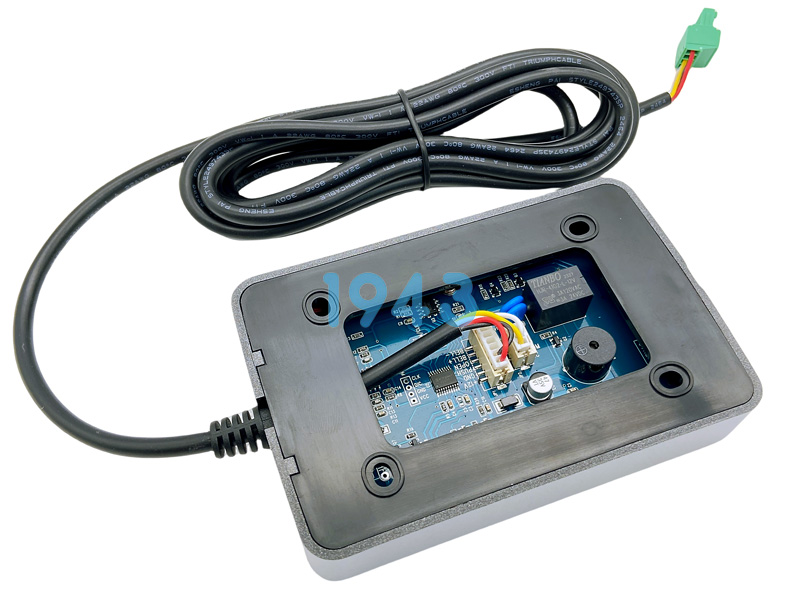
Why low‑volume finished assembly fails at many SMT shops
Low‑volume assembly is more than just SMT placement and DIP soldering. It often includes:
- Depanelization (routing or V‑cut)
- IC programming
- Conformal coating
- Functional testing (FCT)
- Mechanical assembly
- Packaging
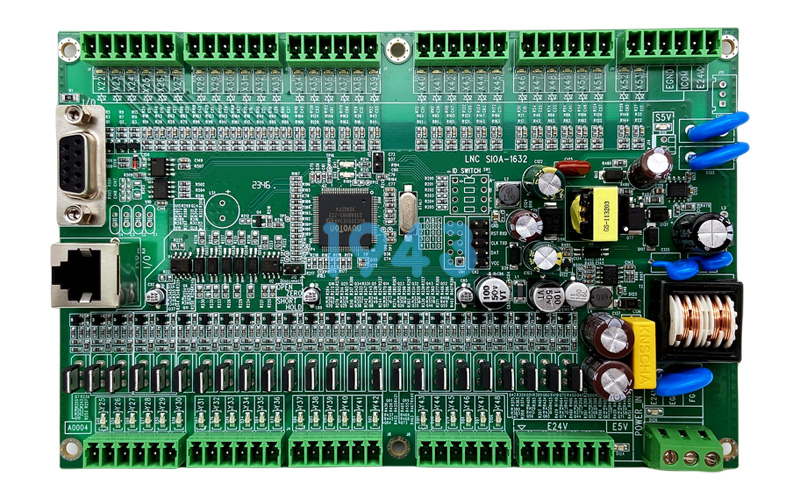
If any of these steps goes wrong, the whole delivery can be delayed. And because the volume is low, many large factories don’t want to assign dedicated staff for assembly. Our approach is to keep low‑volume finished assembly under the same NPI team – from SMT to final assembly, one engineering group follows the whole process. This reduces cross‑department handoffs and the typical delays they cause.
What to look for in an NPI service provider
If you are evaluating SMT/PCBA vendors for NPI, consider these points:
- Engineering support upfront – Do they review your design and suggest improvements before production, or do they just take orders and build?
- True flexible capacity – Do they accept small quantities (tens to hundreds of boards)? How long is changeover time? Is there a dedicated window for low‑volume runs?
- Full inspection equipment – SPI, AOI, X‑ray (for BGA), and FCT should be available. X‑ray is especially critical for hidden solder joints.
- One‑stop assembly – Can they handle post‑SMT steps like programming, coating, assembly, and packaging, or do you have to manage multiple vendors?
- Cost control – Low‑volume unit cost is naturally higher than high‑volume, but a good NPI partner can narrow the gap by consolidating similar orders, optimizing stencil designs, and minimizing engineering rework.
Frequently Asked Questions (FAQ)
Q1: Can you explain the difference between NPI and ordinary prototyping in one sentence?
Ordinary prototyping just builds a few samples – it doesn’t tell you if the same design can be manufactured reliably in larger batches. NPI validates manufacturability from the design stage through low‑volume runs, so you don’t discover problems only after you start mass production.
Q2: What’s the minimum quantity for an R&D pilot run? How fast can you deliver?
We accept as low as 1 board. Standard lead time for a pilot run (SMT + DIP + testing) is 3–5 business days after all components are ready. For urgent projects, we offer 72‑hour service once material readiness is confirmed. For first‑time collaboration, we recommend reserving half a day for DFM review – it significantly improves first‑pass yield.
Q3: Can you do IC programming and conformal coating for low‑volume PCBA?
Yes. Our low‑volume finished assembly includes programming, conformal coating, depanelization, FCT, mechanical assembly, and packaging – we follow your specific checklist.
Q4: Is NPI expensive for small batches? How do you keep costs under control?
Low‑volume NPI has higher unit cost than high‑volume production because of more frequent changeovers and engineering setup. However, we control costs by: recommending standard footprints and panel designs during the DFM stage, combining similar orders in production scheduling, and using past process data to minimize re‑runs. We provide a clear itemized quote for every order – no hidden fees.
The points above come from our daily experience running NPI projects. If you have a new product moving from R&D to pilot production, or if you want to check the manufacturability of your current design, talk to our engineering team at 1943 Technology.
 2026-05-13