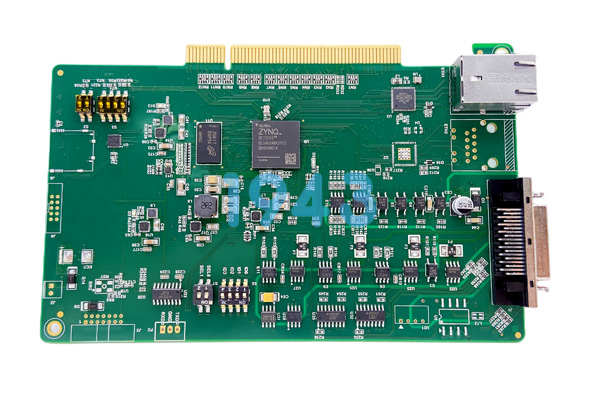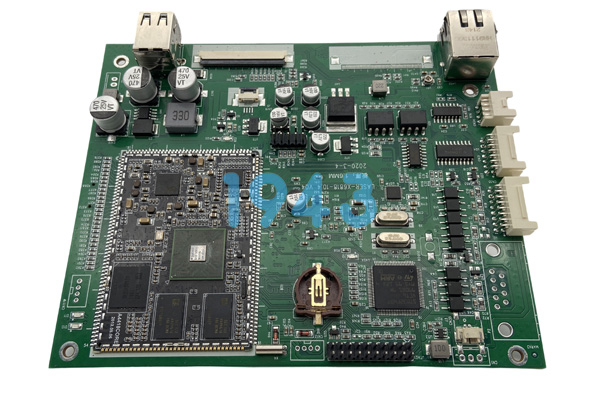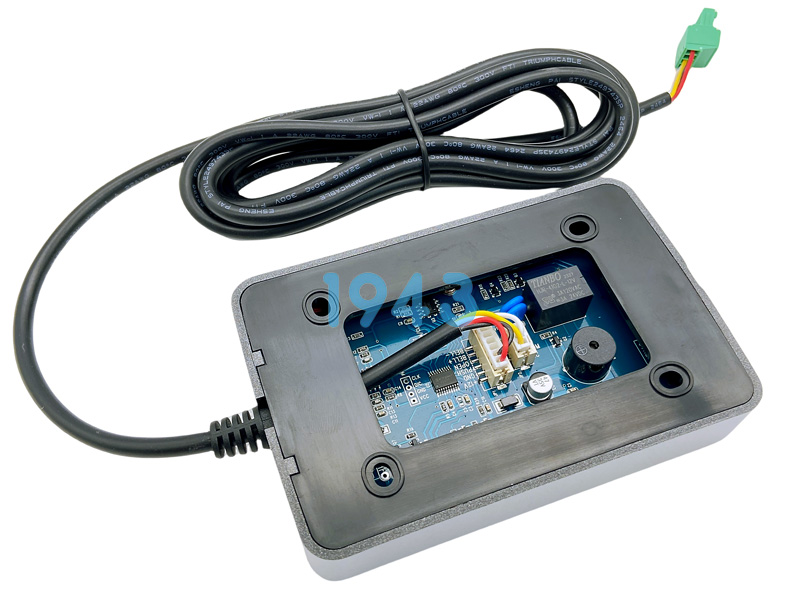


Why More Hardware Teams Are Choosing SMT Assembly Shops for NPI New Product Introduction
When a product moves from schematic design to physical prototype, the PCBA new product introduction (NPI) phase is what determines whether the project succeeds or stalls. Many R&D teams and hardware startups finish their PCB layout only to hit a wall: they cannot find an SMT assembly shop that handles small batch prototyping and supports mid-stage engineering validation at the same time.
Traditional PCBA contract manufacturers often require minimum orders of several hundred units. For a team that needs 20 to 50 boards for functional testing, fit checks, and design verification, that means wasted budget and weeks of delay.
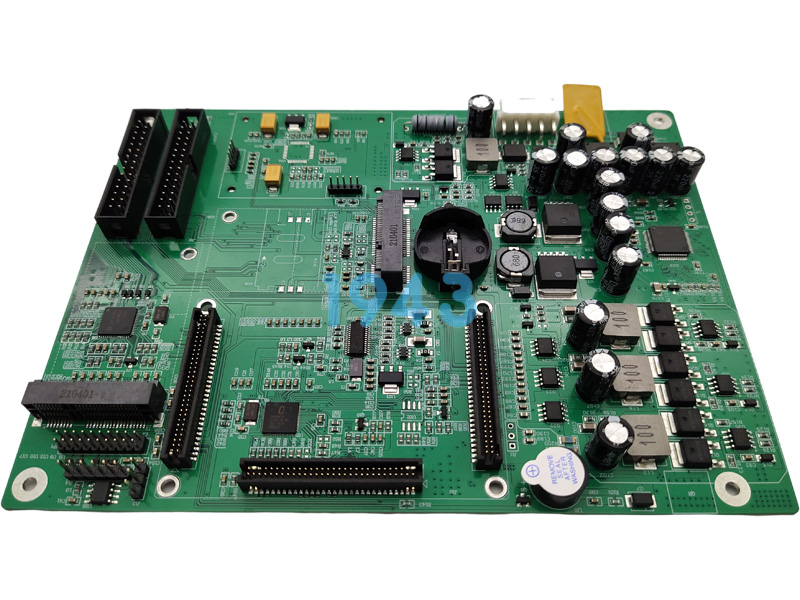
1943 Technology was built to solve exactly this problem. We specialize in PCBA NPI services that cover everything from R&D pilot runs to small batch finished product assembly. Our goal is simple: help you iterate faster with lower prototyping costs.
Five Common Pain Points in SMT Assembly Prototyping and Small Batch Orders
Over the years, we have worked with hundreds of engineering teams who need PCBA prototyping. These are the issues we hear most often:
Pain Point 1: Minimum order quantities are too high
"We only need 30 boards for testing, but the factory said the volume is too small."
Pain Point 2: No DFM guidance during the NPI phase
"We only discovered pad design issues after assembly. The entire batch was scrapped."
Pain Point 3: Long lead times and missed delivery dates
"They promised 5 days, but it took two weeks."
Pain Point 4: Pilot run parameters do not transfer to mass production
"The soldering profile we used for prototyping had to be completely redone for volume runs."
Pain Point 5: Too many vendors to manage
"One supplier for PCB fabrication, another for SMT, a third for final assembly."
The root cause of all these problems is the same: traditional SMT assembly models were not designed for the flexibility, speed, and low volume that R&D teams actually need. That is exactly what 1943 Technology addresses.
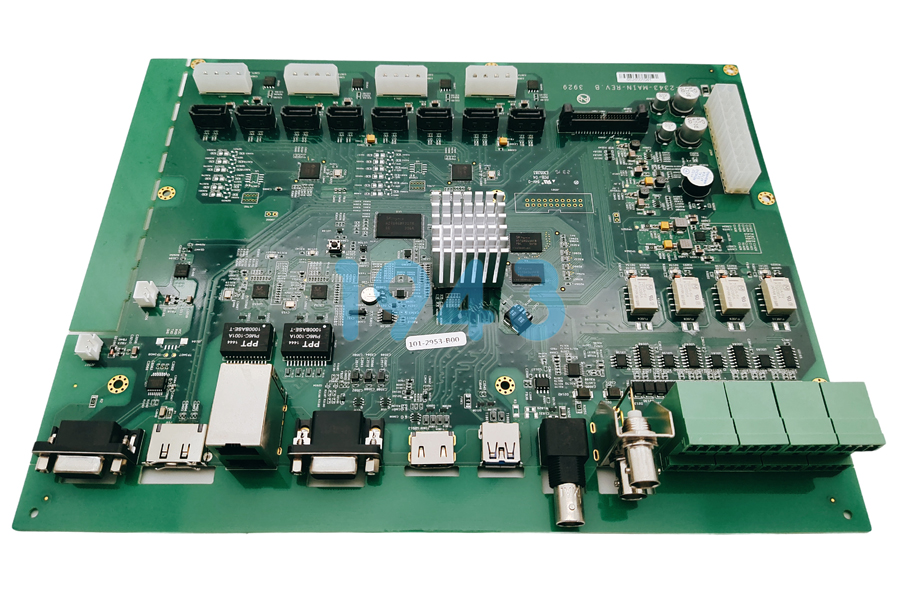
1943 Technology PCBA NPI Service Advantages: R&D Pilot Run plus Small Batch Finished Assembly
Advantage 1: Real Small Batch Finished Assembly Support with No High Threshold
1943 Technology accepts small batch PCBA finished assembly orders starting from as few as 10 units. Whether you need 10 boards for a first article inspection or 200 units for a pilot production run, we schedule your order on our regular production line. We understand that every board in the NPI phase represents real money, so we optimize panel utilization and material handling specifically for low-volume projects.
Advantage 2: Professional NPI Service That Starts at the Design Stage
Most SMT shops simply take your files and start placing components. 1943 Technology takes a different approach. Our PCBA new product introduction service begins before any board is ever produced:
- DFM (Design for Manufacturability) analysis to catch layout risks early
- Custom stencil design and soldering profile optimization based on your BOM
- First Article Inspection (FAI) support to verify quality before scaling up
Advantage 3: One-Stop R&D Pilot NPI Closed Loop
From PCB fabrication through SMT placement, DIP through-hole assembly, and finished product build, 1943 Technology handles the entire process under one roof. You do not need to coordinate across multiple suppliers. All process parameters and quality standards are managed by a single team, which dramatically shortens your pilot run timeline.
Advantage 4: Fast Turnaround with Controllable Lead Times
For urgent R&D validation needs, 1943 Technology operates a dedicated rapid prototyping channel. Standard projects can move from file confirmation to finished product shipment in 3 to 5 business days, depending on BOM complexity. This means your product validation is no longer held hostage by long lead times.
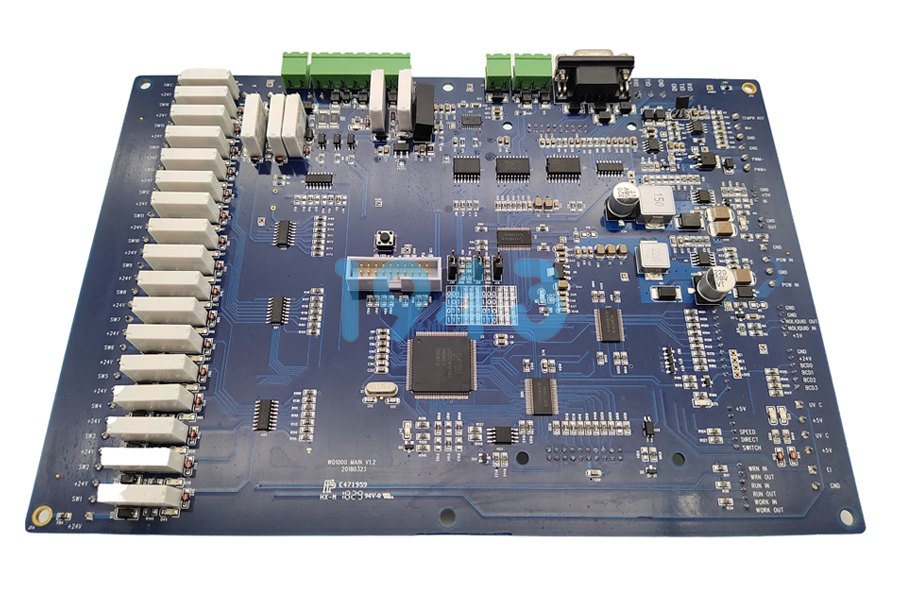
Four Key Factors to Evaluate When Choosing an SMT Assembly Shop for NPI
If you are searching for a PCBA prototyping shop or an SMT assembly partner for your pilot run, pay close attention to these four criteria:
Factor 1: Does the shop actually offer NPI services?
Being able to place components is not the same as being able to support NPI. A true NPI partner will proactively review your design and suggest improvements before production starts, rather than waiting for defects to appear.
Factor 2: Is small batch genuinely supported, not just promised?
Many shops say they accept small orders but deprioritize them in production scheduling. At 1943 Technology, small batch orders are treated with the same priority as any other job.
Factor 3: How complete is the process coverage?
SMT placement, DIP through-hole assembly, selective soldering, conformal coating, and finished product build. The more of these processes one shop can handle, the fewer vendors you need to manage.
Factor 4: How responsive is the technical team?
The NPI phase is full of changes and surprises. A shop with a fast-responding engineering team can mean the difference between a smooth pilot run and a delayed project.
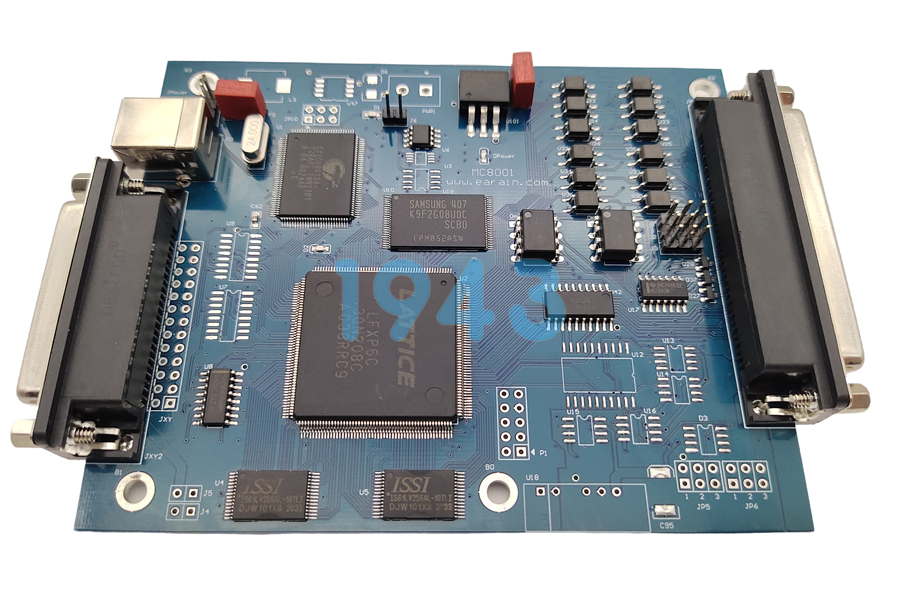
1943 Technology Service Workflow: From BOM to Finished Product, Fully Traceable
Step 1: Customer submits BOM and Gerber files
Step 2: DFM process review provided free of charge by 1943 Technology
Step 3: Solution confirmed, materials procured or customer supplies components
Step 4: SMT placement and DIP through-hole assembly
Step 5: AOI inspection and functional testing (optional)
Step 6: Finished product assembly and outgoing quality inspection
Step 7: Small batch finished product delivery
Every step is transparent and traceable. You can track progress in real time, which is one of the core reasons why engineering teams trust 1943 Technology for PCBA contract manufacturing and SMT assembly.
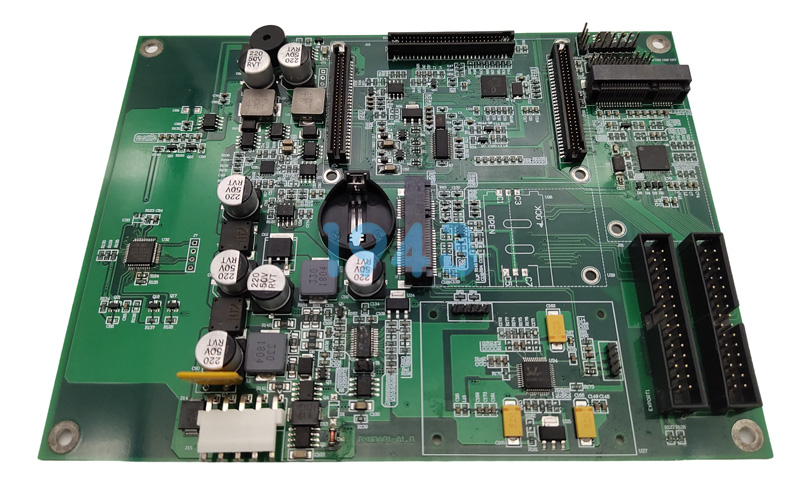
Frequently Asked Questions (FAQ)
Question 1: What is the minimum order quantity for SMT assembly at 1943 Technology?
1943 Technology supports small batch PCBA finished assembly starting from as few as 10 units. We do not impose the hundreds-of-units minimum that traditional factories require. Our production scheduling is specifically designed for R&D pilot runs and NPI-stage projects. Exact minimums can be confirmed based on your project complexity.
Question 2: What is included in the PCBA New Product Introduction (NPI) service?
Our NPI service covers the full journey from design review to small batch delivery. This includes DFM analysis, stencil fabrication and soldering profile optimization, SMT placement plus DIP through-hole assembly, AOI and X-Ray inspection, first article inspection support, and small batch finished product assembly. The purpose is to help you fully validate your design before committing to mass production.
Question 3: How long does a typical R&D pilot run take?
For standard BOMs, 1943 Technology typically completes the pilot run from file confirmation to finished product shipment within 3 to 5 business days. For projects involving special processes such as BGA rework or high-density boards, we communicate the lead time upfront so your project schedule stays on track.
Question 4: Does 1943 Technology accept customer-supplied materials (consignment)?
Yes, absolutely. 1943 Technology offers both turnkey assembly (we source all materials) and consignment assembly (you supply the components). For R&D teams whose BOM is still evolving, the consignment model gives you full control over component selection while we handle the SMT placement and finished assembly. This helps you manage material costs more effectively during the NPI phase.
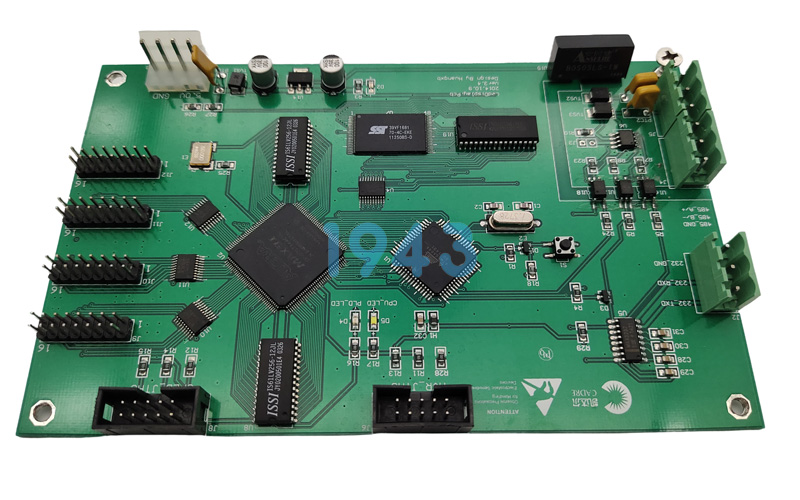
Contact 1943 Technology for a PCBA Prototyping Quote
If you are looking for an SMT assembly shop that truly supports small batch PCBA orders and offers professional NPI new product introduction services, 1943 Technology is ready to help. We focus on R&D pilot runs and small batch finished assembly so your product can go from design file to physical prototype faster.
1943 Technology | SMT PCB Assembly · PCBA Turnkey and Consignment · NPI New Product Introduction · R&D Pilot Run One-Stop Service
 2026-05-13