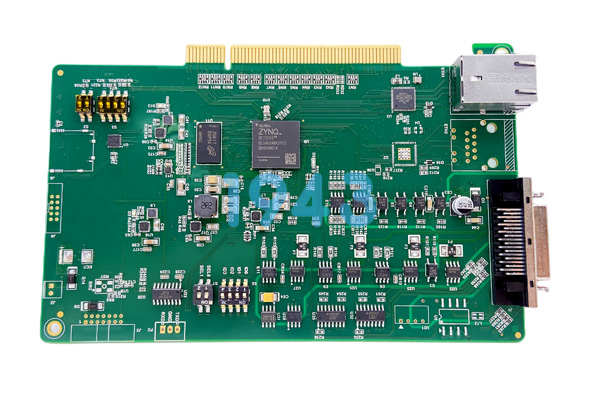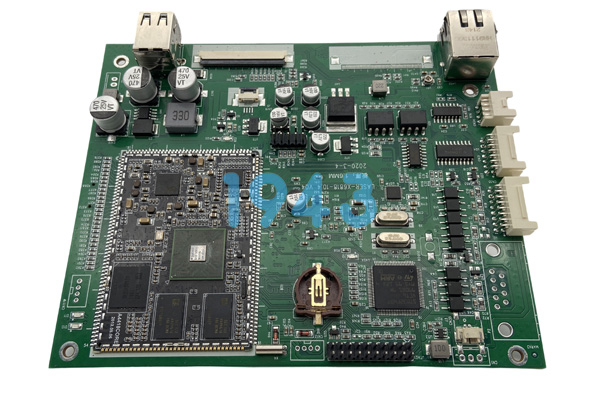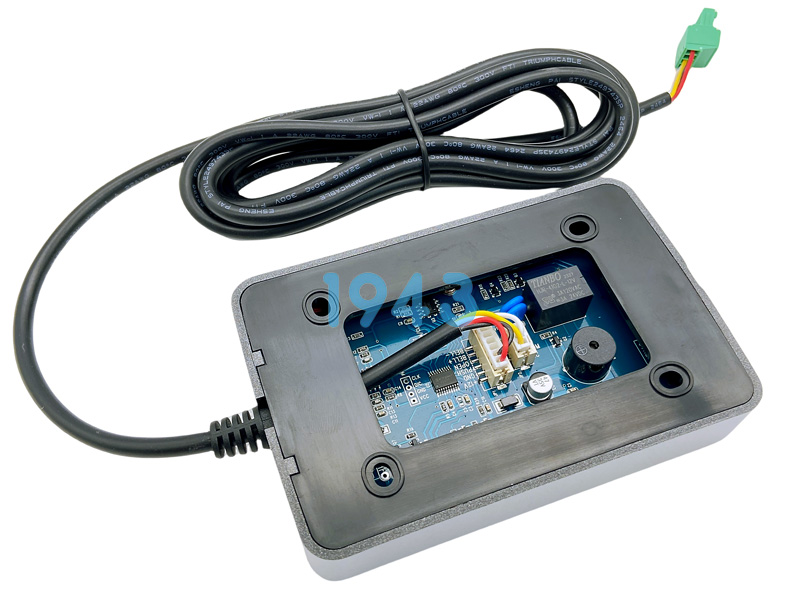


In today’s electronics manufacturing industry, SMT contract manufacturing is no longer limited to simple PCB assembly services. As product development cycles become shorter and hardware projects move faster from concept to market, companies are looking for manufacturing partners that can support NPI introduction, engineering validation, prototype builds, and low-volume assembly with higher flexibility and faster response.
For many R&D-driven projects, the biggest challenge is not product design itself, but the transition from development to mass production.
Questions often arise during this stage:
-
Can prototype boards be assembled quickly after PCB files are released?
-
Is the BOM ready for manufacturing validation?
-
Can low-volume PCBA builds support testing and debugging?
-
Will the assembly process remain stable during scale-up?
-
Are there manufacturing risks before mass production?
-
Can the product complete engineering verification efficiently?
This is where SMT contract manufacturing combined with NPI support becomes critical.
1943 Technology focuses on PCBA New Product Introduction (NPI) services, supporting prototype builds, engineering validation, low-volume PCBA assembly, and small-batch finished product assembly for hardware development projects.
What Is SMT Contract Manufacturing?
SMT contract manufacturing refers to outsourced electronic assembly services including PCB assembly, SMT placement, soldering, testing, and product assembly.
Typical manufacturing processes include:
- PCB inspection
- SMT stencil preparation
- SMT placement
- Reflow soldering
- DIP assembly
- Hand soldering
- PCBA functional testing
- Product assembly
- Packaging and shipment
However, different project stages require different manufacturing capabilities.
For example:
- Prototype stages focus on engineering response speed
- NPI stages focus on process validation
- Mass production focuses on stability and consistency
As a result, modern SMT manufacturing services increasingly require engineering collaboration and NPI management instead of only production capacity.
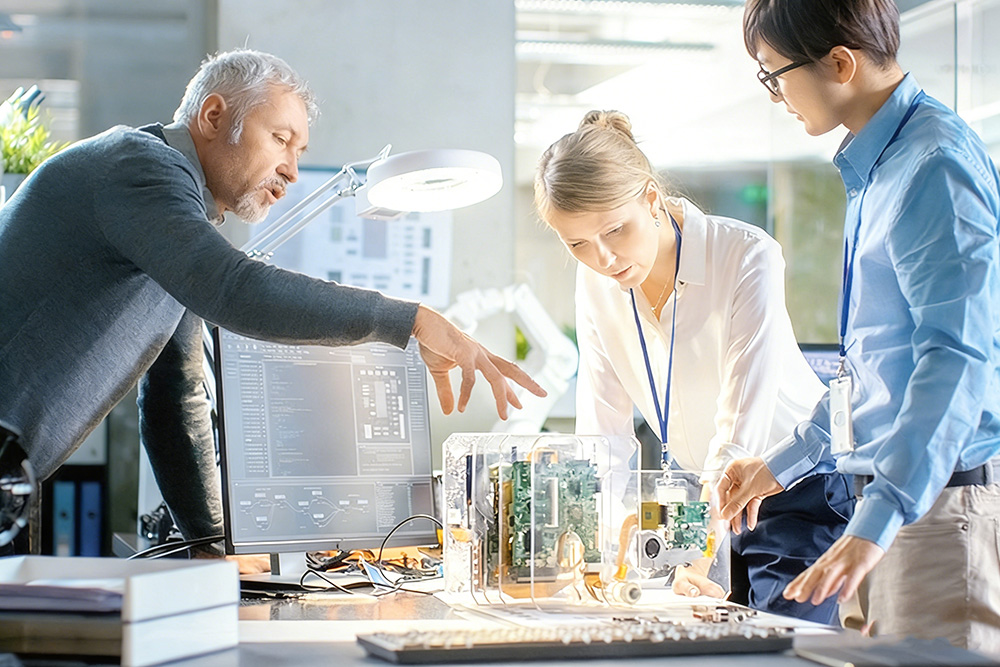
Why NPI Support Matters in PCBA Manufacturing
Many hardware projects face delays during the transition from R&D to production because manufacturing validation was not completed early enough.
Common issues include:
- PCB layouts that are difficult to assemble
- Unstable soldering consistency
- Incomplete test process preparation
- Engineering samples that cannot be duplicated efficiently
- Assembly risks discovered too late
NPI (New Product Introduction) helps reduce these risks before volume production begins.
The purpose of NPI is to verify:
- Manufacturing feasibility
- Assembly process stability
- BOM compatibility
- Test process readiness
- Production workflow optimization
- Product consistency
A professional SMT contract manufacturing partner should not only provide assembly services, but also support customers during the engineering validation phase.
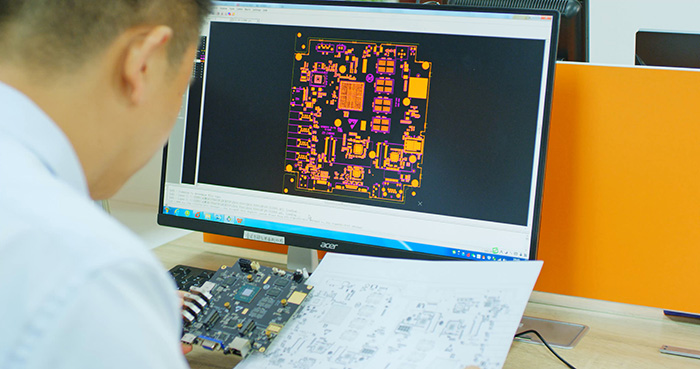
Prototype and Low-Volume PCBA Assembly
Modern electronics projects increasingly rely on rapid iteration and low-volume production.
Typical project stages may include:
- Prototype builds
- Engineering validation testing
- Pilot runs
- Small-batch production
- Gradual production scaling
This means manufacturers must support flexible production scheduling and fast engineering response rather than only high-volume manufacturing.
Low-volume PCBA assembly provides several advantages:
- Faster product validation
- Reduced inventory risk
- Shorter development cycles
- Improved engineering flexibility
- Easier product iteration
For R&D-oriented companies, low-volume manufacturing has become an essential part of the product development process.
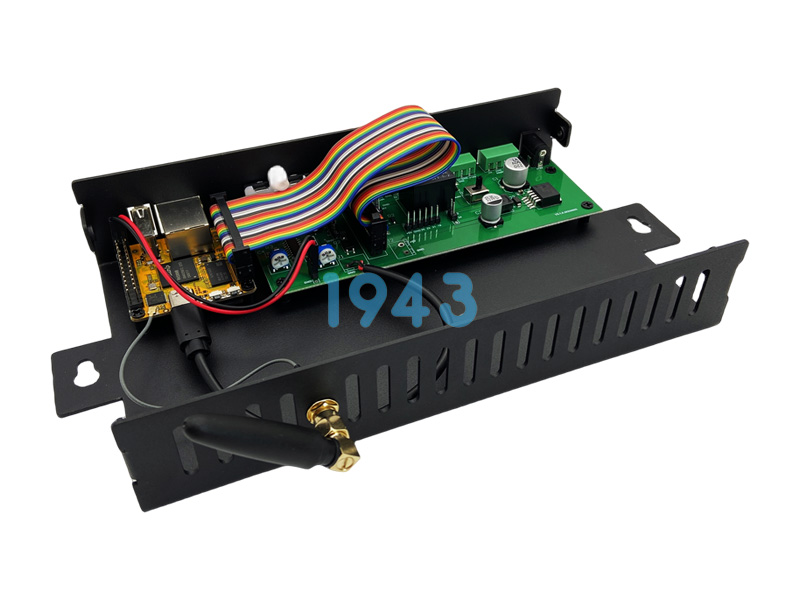
Engineering Validation Before Mass Production
Engineering validation is one of the most important stages before production scaling.
At this stage, manufacturers verify:
- SMT process stability
- Soldering reliability
- Assembly workflow feasibility
- Functional testing procedures
- Product assembly consistency
- Production risk points
Without sufficient validation, mass production may encounter:
- High defect rates
- Rework issues
- Testing failures
- Delivery delays
- Increased production costs
Professional SMT contract manufacturing should help customers reduce manufacturing risks during product introduction.
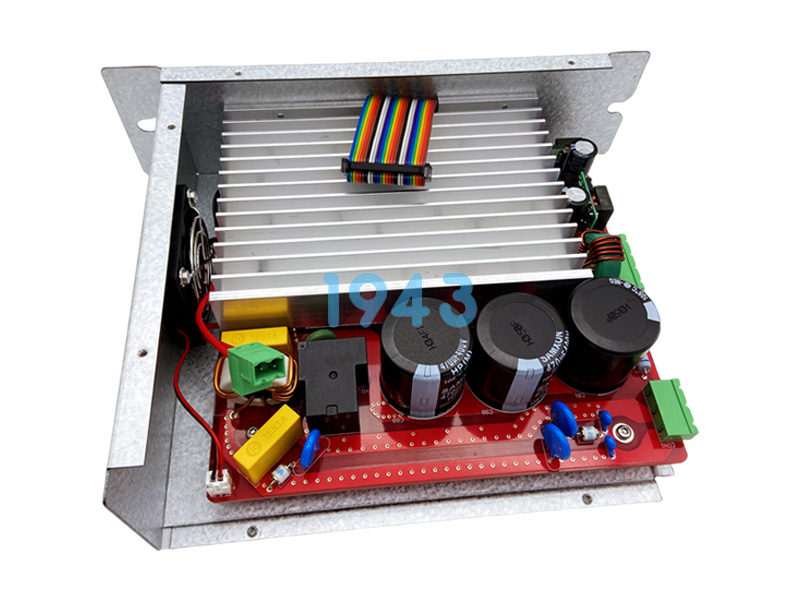
Small-Batch Product Assembly Services
Many projects require more than PCB assembly alone.
As products move closer to market launch, customers may also need:
- Product assembly
- Cable and harness integration
- Mechanical assembly
- Functional testing
- Aging tests
- Packaging services
Working with multiple suppliers often increases communication costs and project complexity.
An integrated PCBA manufacturing partner can simplify the supply chain and improve project efficiency.
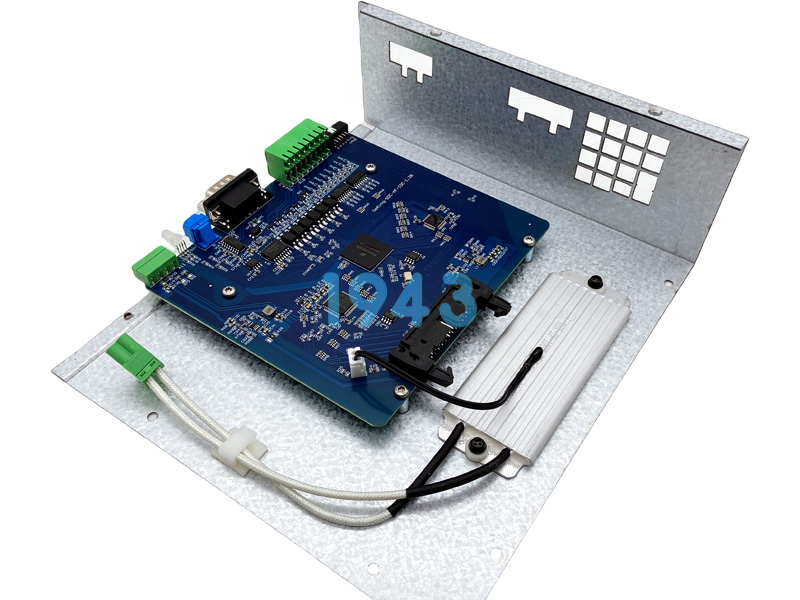
1943 Technology supports small-batch finished product assembly together with PCBA manufacturing and NPI services, helping customers accelerate the transition from prototype to production.
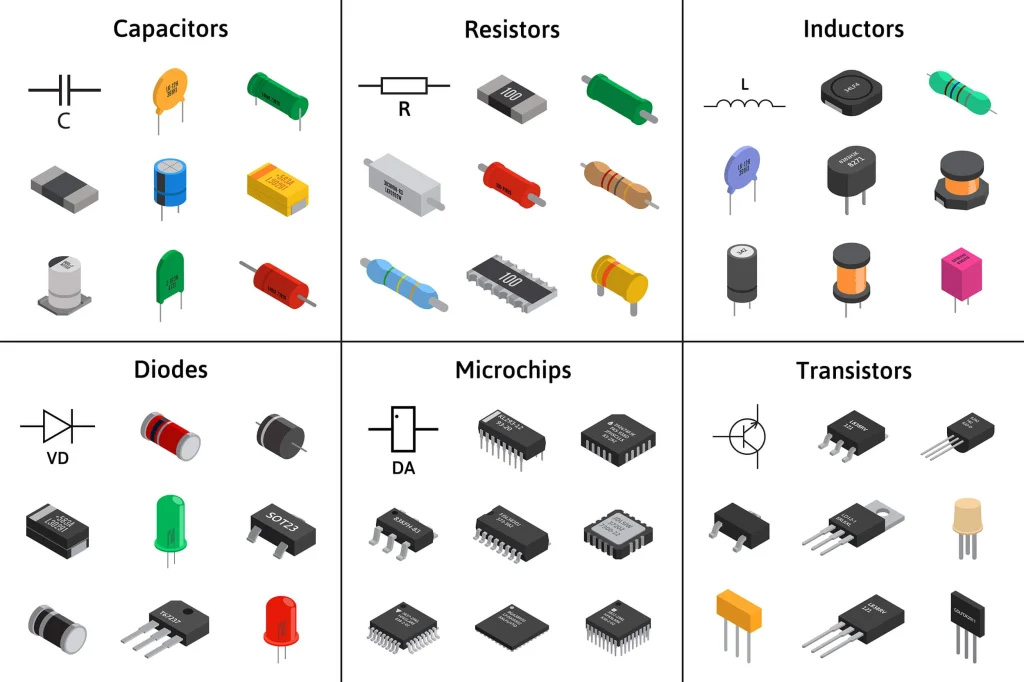
1943 Technology — Focused on NPI and Engineering-Oriented PCBA Services
1943 Technology focuses on supporting customers during the critical transition from R&D to manufacturing.
Core service capabilities include:
- PCBA New Product Introduction (NPI)
- Prototype PCB assembly
- Engineering validation builds
- Low-volume SMT assembly
- Pilot production support
- BOM and manufacturing review
- Functional testing support
- Small-batch product assembly
- Production ramp-up assistance
Instead of operating as a traditional high-volume SMT factory model, 1943 Technology emphasizes engineering collaboration, flexible manufacturing support, and fast response for new product development projects.
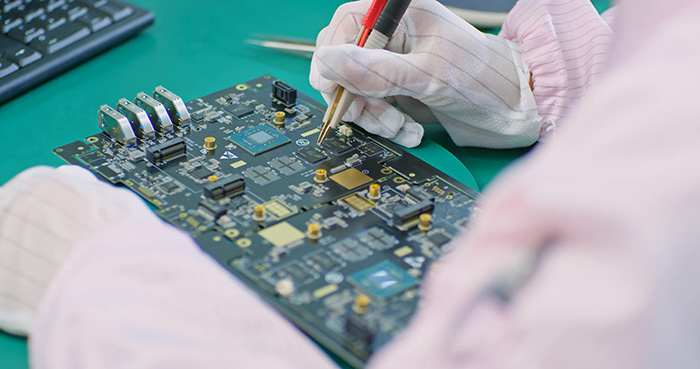
How to Choose the Right SMT Contract Manufacturing Partner
Selecting an SMT manufacturing supplier should involve more than comparing pricing alone.
Key factors include:
NPI and Engineering Support
A capable manufacturer should participate during the product introduction stage, not only after files are released for production.
Low-Volume Manufacturing Flexibility
Fast prototype turnaround and small-batch support are essential for modern hardware development.
Manufacturing Process Validation
Early verification helps reduce production risks before scaling.
Assembly and Testing Capability
Integrated assembly and testing services improve overall project efficiency.
Quality Control Process
Reliable PCBA manufacturing requires stable quality management throughout production, including incoming inspection, process control, testing, and shipment verification.
FAQ
What is SMT contract manufacturing?
SMT contract manufacturing refers to outsourced PCB assembly services including SMT placement, soldering, testing, and electronic product assembly.
Why is NPI important in PCBA manufacturing?
NPI helps validate manufacturing processes before mass production, reducing production risks and improving product stability.
Does low-volume PCBA assembly support prototype projects?
Yes. Low-volume assembly is widely used for prototype builds, engineering validation, and pilot production before volume manufacturing.
What are the advantages of integrated PCBA assembly services?
Integrated services reduce supply chain complexity, improve communication efficiency, and accelerate product development timelines.
Partner With 1943 Technology
As hardware products continue evolving toward faster development cycles and smaller production batches, SMT contract manufacturing increasingly requires engineering collaboration and flexible NPI support.
1943 Technology focuses on helping customers move efficiently from prototype validation to stable production through:
- NPI introduction services
- Prototype and pilot builds
- Low-volume PCBA assembly
- Engineering verification support
- Small-batch product assembly
By combining manufacturing execution with engineering-oriented support, projects can achieve smoother transitions from development to production readiness.
 2026-05-13