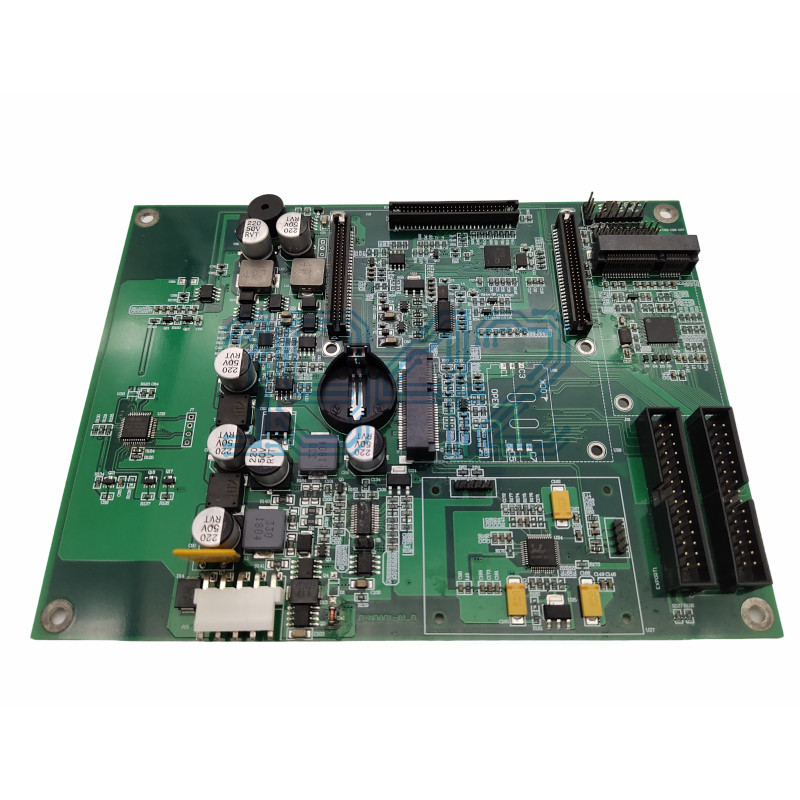
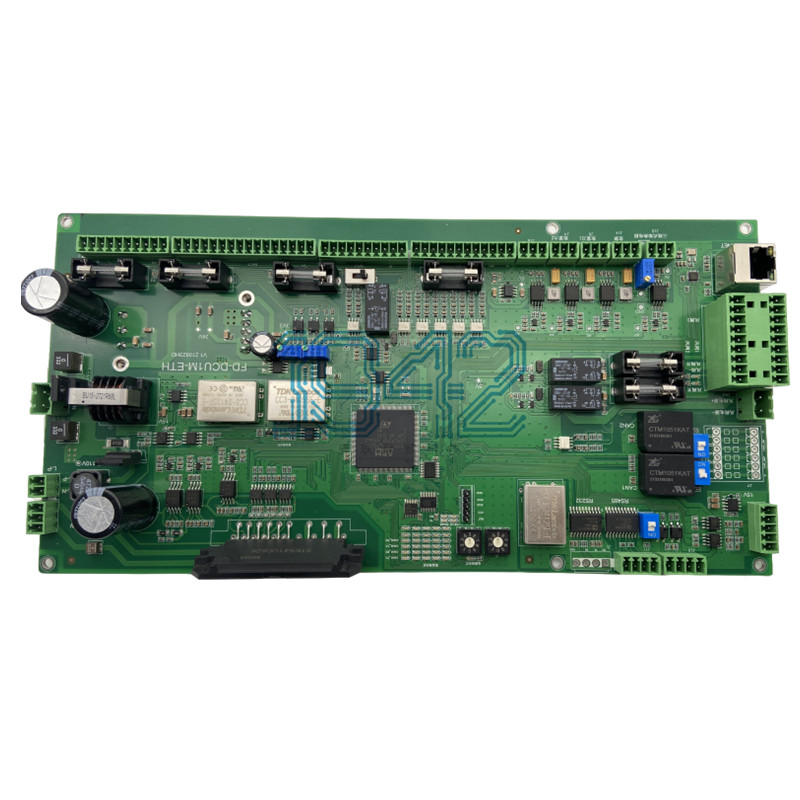
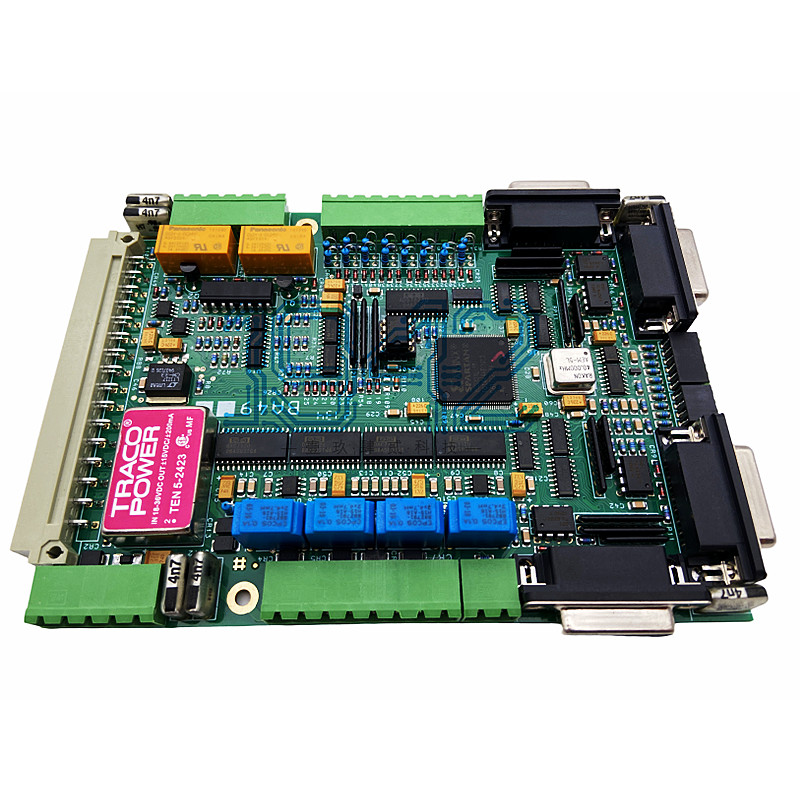
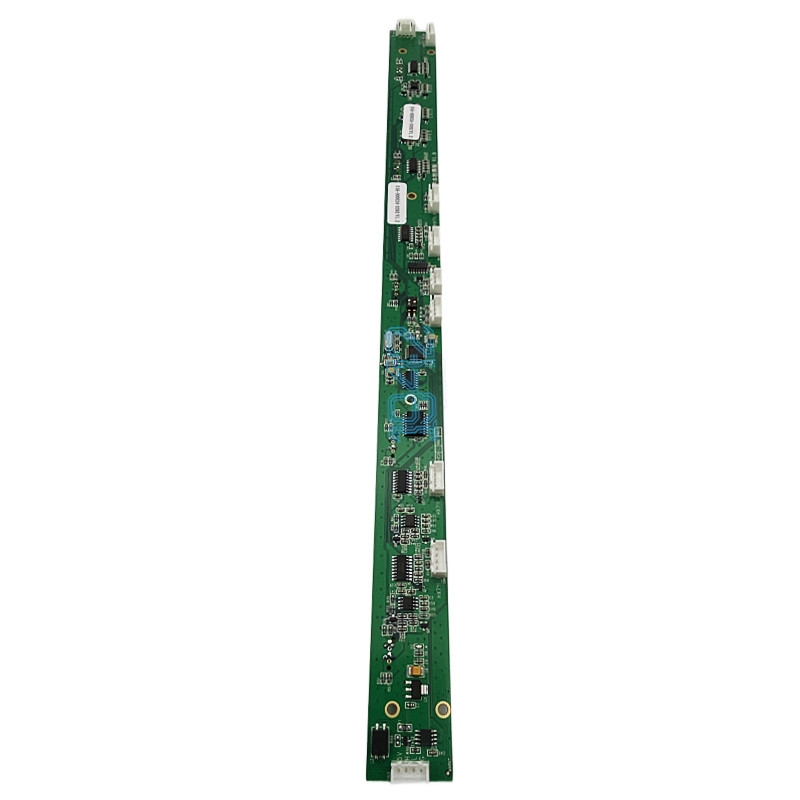
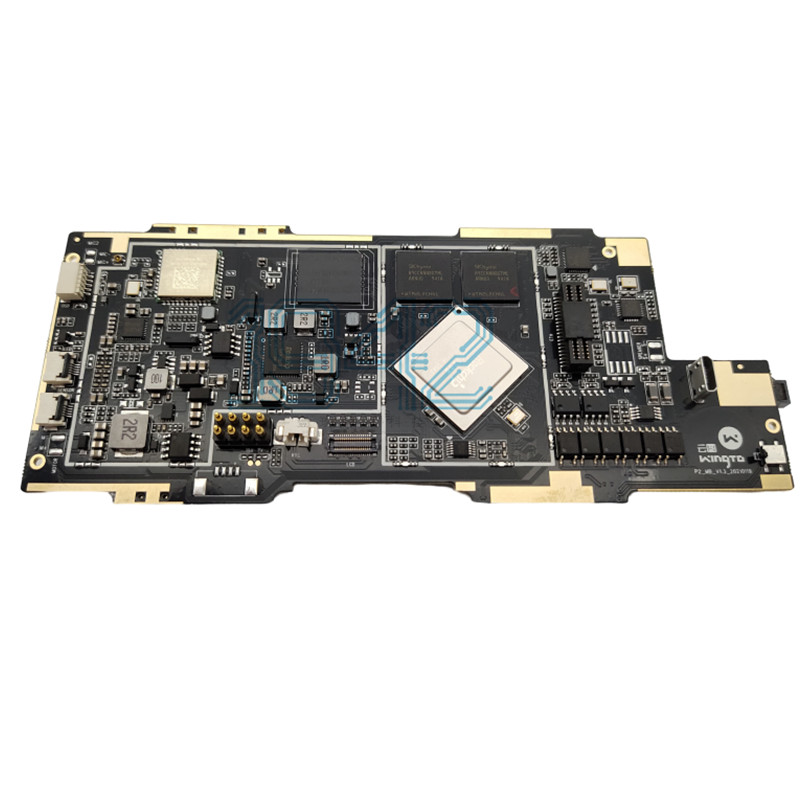
Point:127
Components type:52
PCB size: 193*155mm
Minimum package size of resistance capacitance sensing: 0603
Minimum device pin spacing:0.65
Welding mode:Reflow soldering + Wave soldering
Manufacturing process: PCB producing + components procurement + assembly
At Shenzhen 1943 Technology Co., Ltd., we specialize in high-reliability PCBA (Printed Circuit Board Assembly) and full-turnkey manufacturing for the medical device industry. Operating under stringent quality management systems, we deliver medical-grade electronic assemblies that meet the rigorous standards of life-critical and diagnostic applications, including patient monitoring, imaging systems, in-vitro diagnostics (IVD), and handheld medical devices.
Bridging the gap between initial R&D design and high-yield mass production requires a standardized, systematic approach. At 1943 Technology, our dedicated NPI services are designed to establish robust manufacturing standards before scaling. We treat NPI not merely as a trial run, but as a critical gateway to validate, refine, and secure every aspect of your medical product's lifecycle through four core pillars:
Our NPI lines run comprehensive validations across the entire manufacturing sequence to ensure process feasibility. We analyze and verify:
PCB Fabrication & SMT (Surface Mount Technology): Solder paste printing accuracy, component placement, and reflow profile optimization for complex fine-pitch components.
DIP (Dual In-line Package) & Hand Soldering: Through-hole technology flow-soldering and manual assembly consistency.
Testing & Functional Verification: Implementing ICT (In-Circuit Testing), FCT (Functional Testing), and boundary scan setups.
Box Build Assembly & Protective Coating: Validating mechanical integration, conformal coating, potting, final packaging, and protective measures against environmental hazards.
A medical product is only as reliable as its weakest component. During the NPI phase, our engineering team scrutinizes the Bill of Materials (BOM) to verify:
Component Reliability: Assessing technical specifications, thermal tolerances, and footprint compatibility to prevent field failures.
Supply Chain Stability: Identifying single-source components, checking lifecycle status (NRND/EOL), and establishing qualified alternative sources to guarantee long-term production continuity.

Medical electronics must operate flawlessly under demanding conditions. Our NPI workflow incorporates comprehensive reliability screening, including thermal cycling, burn-in testing, and mechanical stress analysis. We ensure that the assembly conforms to international medical standards, verifying laminate integrity, solder joint reliability, and compliance with RoHS and REACH regulations.
Launching a medical device requires strict adherence to market windows and regulatory timelines. By identifying design bottlenecks, process constraints, and material lead-time risks during the NPI phase, we optimize the entire project schedule. Our structured engineering feedback loops compress development cycles, ensuring your product transitions smoothly to volume production and hits the market on schedule.
Let the products quickly and stably realize marketization and become the global electronic intelligence innovation enabler