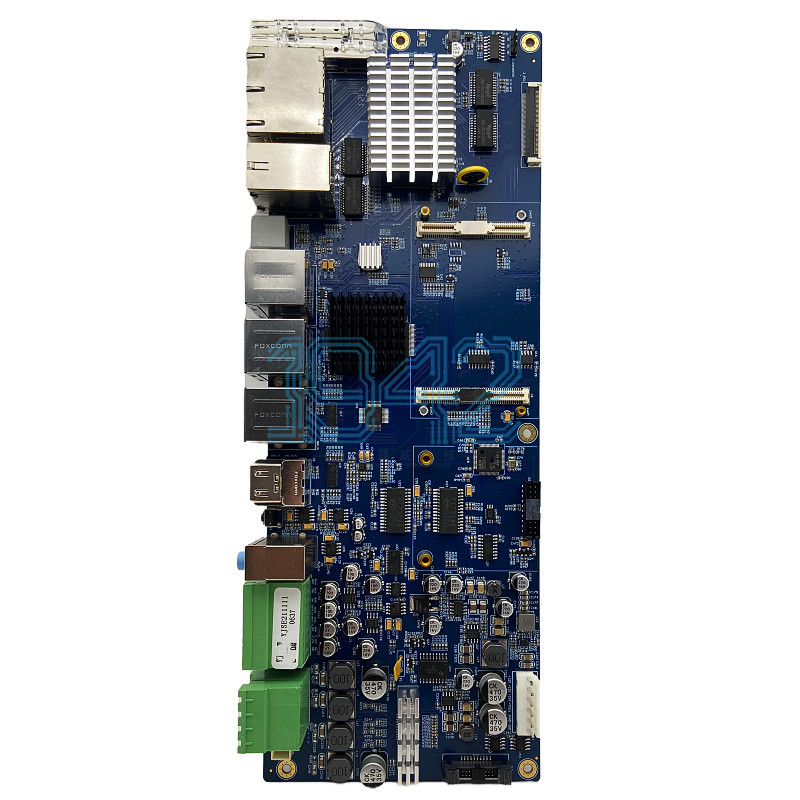
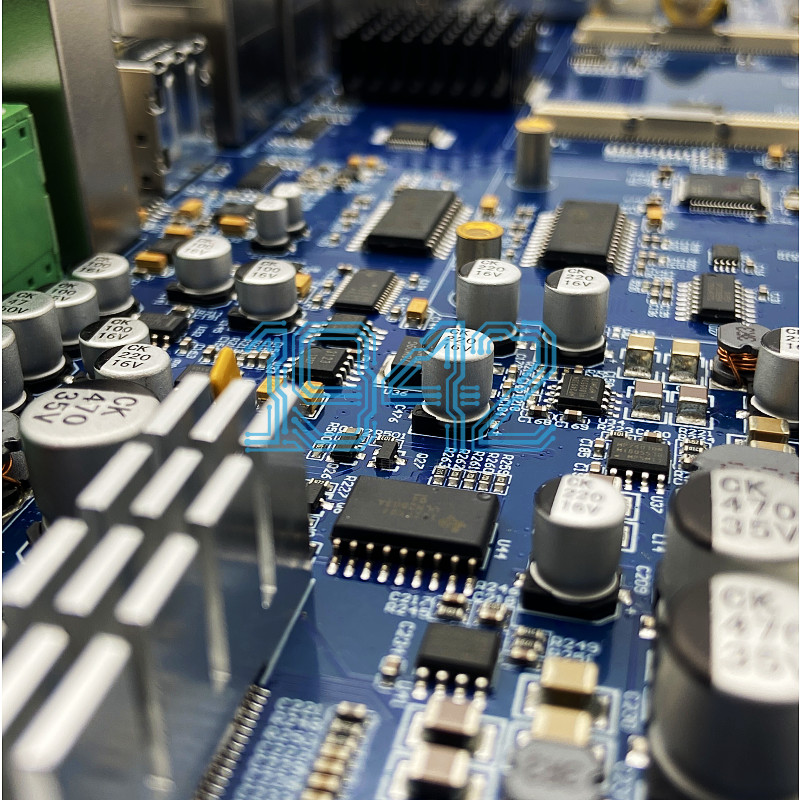
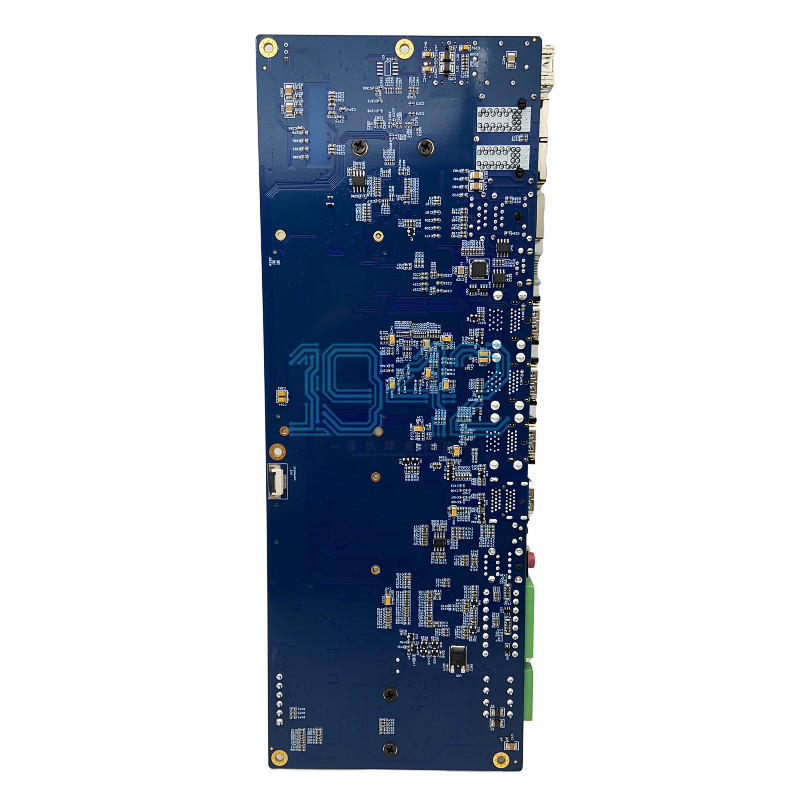
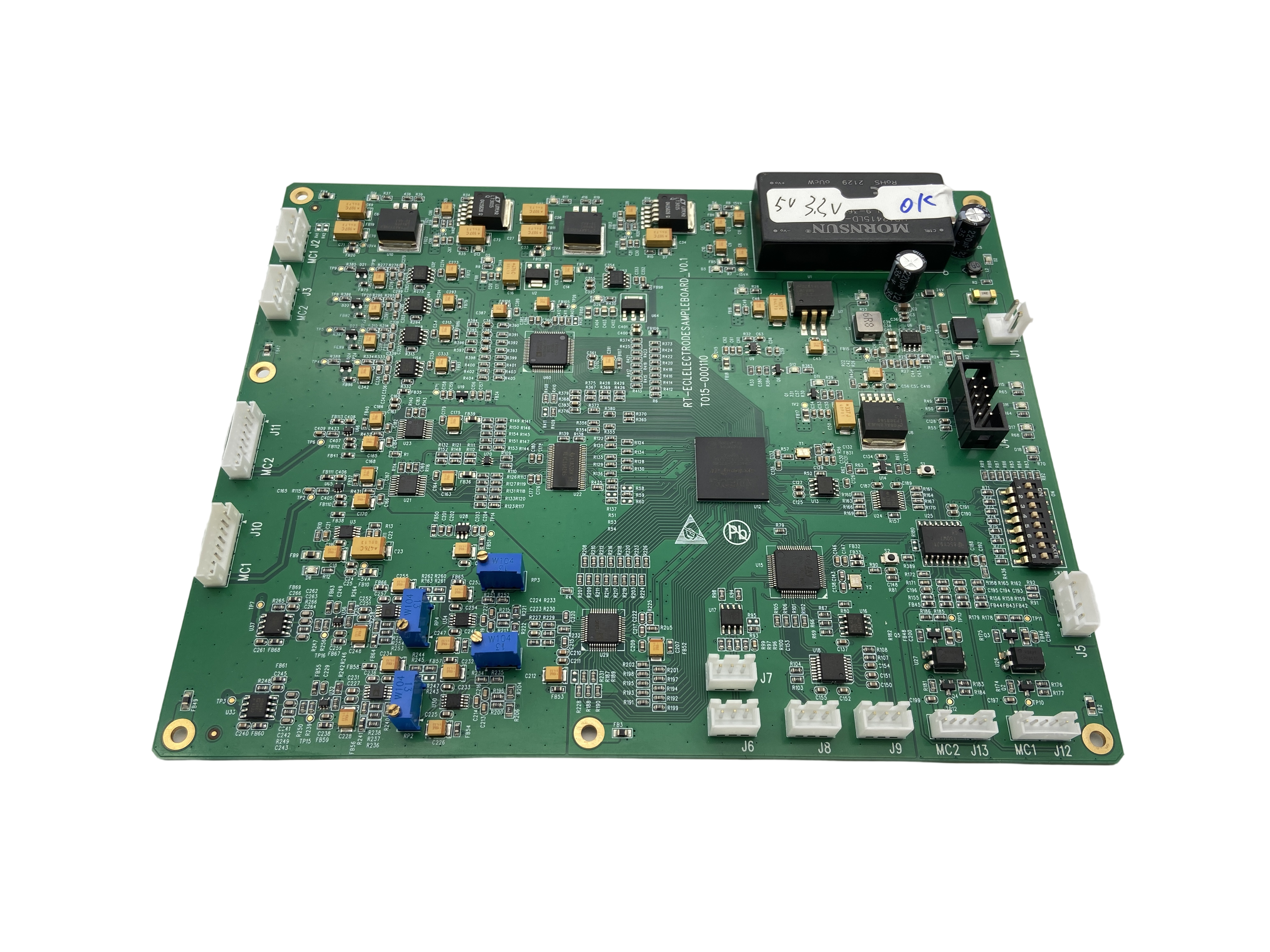
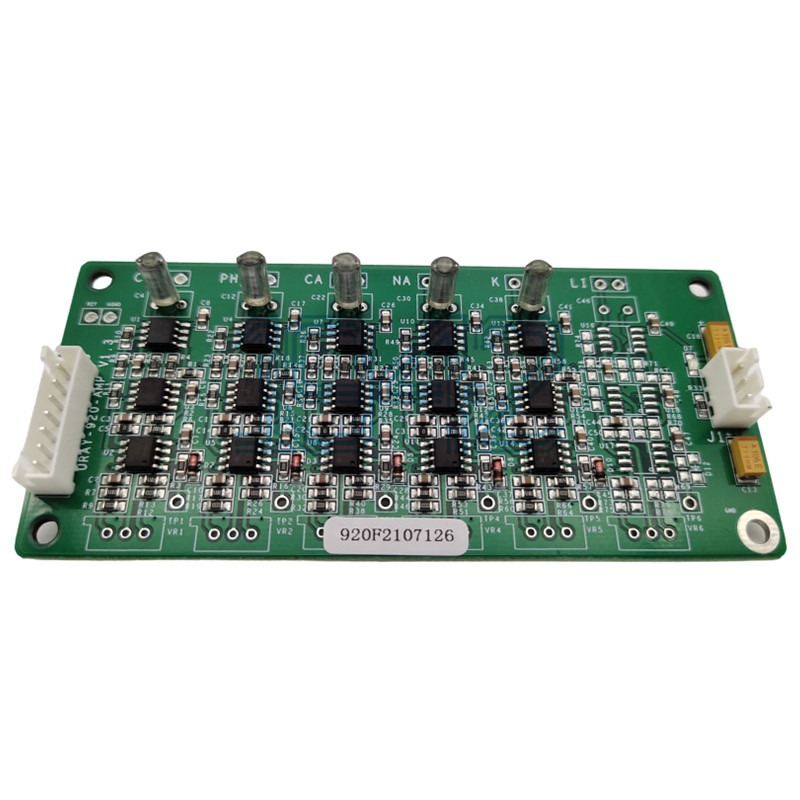
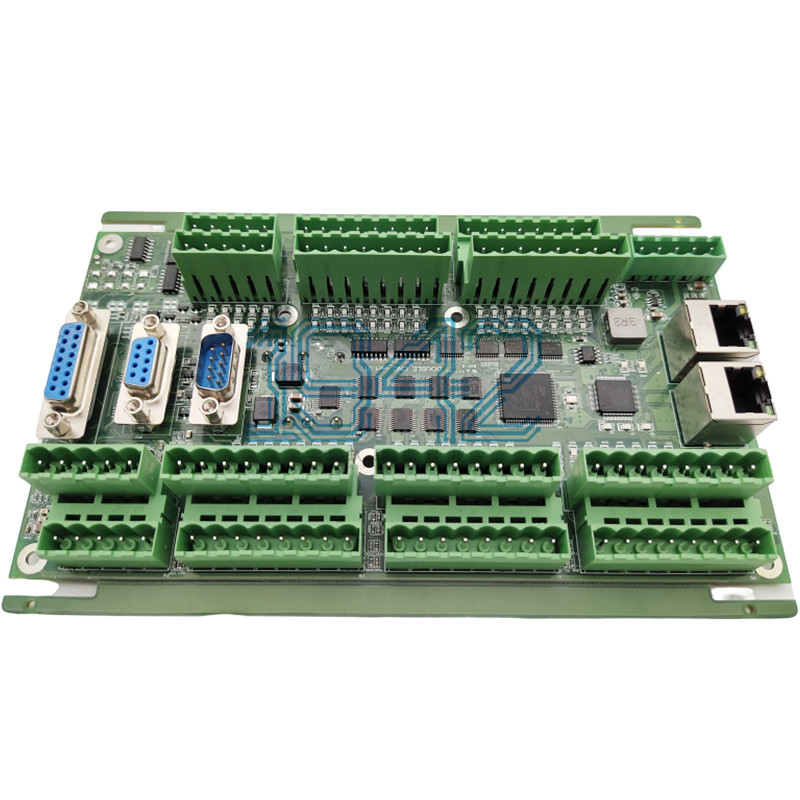
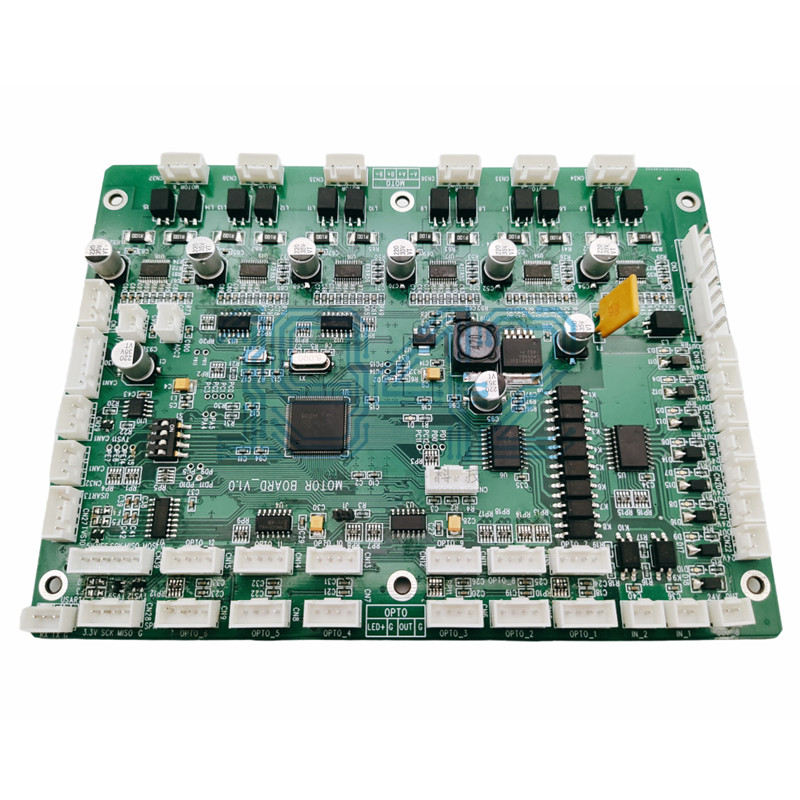
Point:1762
Components type:109
PCB size: 247*155mm
Minimum package size of resistance capacitance sensing: 0402
Minimum device pin spacing:0.5
Welding mode:Reflow soldering for double side + Wave soldering.
Manufacturing process: PCB producing + components procurement + assembly
The Multimedia Teaching Machine PCBA is developed for educational display systems, interactive teaching equipment, smart classroom terminals, and integrated multimedia devices. It combines stable electronic performance with reliable manufacturing quality, providing a solid hardware platform for products that require continuous operation, high-definition display, audio processing, network communication, and peripheral connectivity. The PCBA can be customized according to different hardware architectures, functional requirements, and application environments, supporting both prototype development and volume production.
Shenzhen 1943 Technology Co., Ltd. provides complete PCB assembly services covering SMT, DIP, component sourcing, functional testing, final assembly, and product packaging. Manufacturing processes are managed according to standardized production procedures to ensure consistent quality throughout every production stage. Each production batch is controlled with traceable process records, helping customers maintain product consistency from engineering samples to mass production.
The assembly process supports fine-pitch ICs, BGA, QFN, LGA, high-density PCB layouts, mixed-technology assemblies, and through-hole components. Production capabilities include automated solder paste printing, SPI inspection, high-speed SMT placement, AOI inspection, selective soldering, wave soldering, rework, functional testing, aging tests, conformal coating, and customized packaging solutions. Manufacturing parameters are continuously monitored to improve solder joint reliability and assembly accuracy.
For multimedia teaching equipment, stable operation is essential because these products are frequently used in classrooms, conference systems, training centers, and educational institutions. Every PCBA undergoes appropriate inspection and testing procedures before delivery, including visual inspection, AOI, ICT or functional testing when required, power-on verification, and reliability checks based on customer specifications. Additional testing procedures can be integrated according to project requirements.
Besides PCB assembly, Shenzhen 1943 Technology Co., Ltd. provides PCBA NPI (New Product Introduction) services to support the transition from product development to mass manufacturing. NPI is an essential stage between engineering design and volume production because it establishes manufacturing standards before large-scale production begins. Rather than focusing only on building prototypes, the NPI process verifies whether the complete manufacturing process can be executed consistently and efficiently.
During the NPI stage, the entire production workflow is evaluated, including PCB fabrication, SMT assembly, DIP processing, testing procedures, mechanical assembly, packaging, transportation protection, and process documentation. Manufacturing engineers identify potential production risks, optimize assembly methods, improve fixture design, and verify production feasibility before the product enters full-scale manufacturing. Early process validation helps reduce production issues, improve manufacturing stability, and shorten future production cycles.

Material selection is another important part of NPI services. Engineering and supply chain teams evaluate component availability, alternative materials, lifecycle status, and supplier stability to reduce sourcing risks during mass production. This verification helps improve supply chain continuity while minimizing unexpected component shortages or long lead times that could affect delivery schedules.
Product reliability is also verified during the NPI process. Pilot production allows engineers to evaluate assembly quality, electrical performance, thermal characteristics, mechanical compatibility, and long-term operational stability. Feedback collected during trial production is used to optimize manufacturing processes before production volumes increase, helping improve product consistency and reliability throughout the product lifecycle.
Project schedule verification is equally important during New Product Introduction. Manufacturing capacity, production planning, testing resources, material preparation, and quality control procedures are evaluated to determine whether the planned production timeline can meet market launch expectations. Establishing standardized production processes during NPI helps reduce engineering changes, improve manufacturing efficiency, and support a smoother transition into stable mass production.
With extensive experience in electronic manufacturing services, Shenzhen 1943 Technology Co., Ltd. provides customers with flexible PCB assembly solutions from engineering samples, NPI validation, pilot production, to high-volume manufacturing. Standardized manufacturing processes, stable supply chain management, comprehensive quality control, and complete production traceability support reliable delivery for multimedia teaching equipment and other intelligent electronic products.
Let the products quickly and stably realize marketization and become the global electronic intelligence innovation enabler