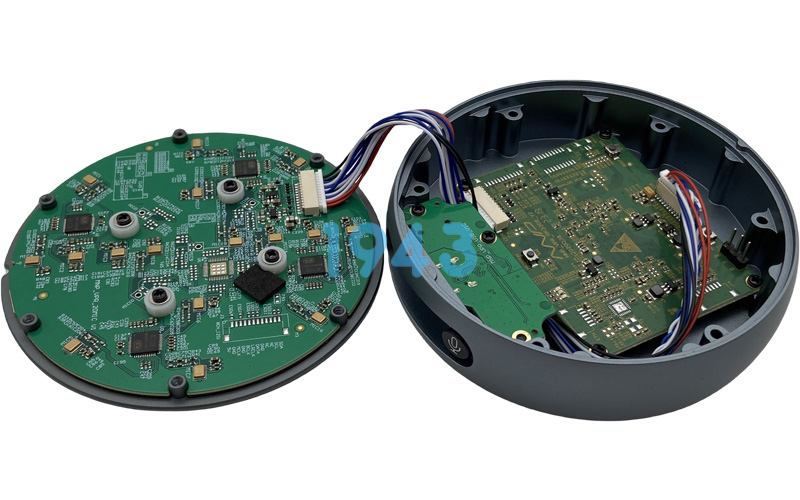


Building hardware at scale requires more than a reliable SMT line. Between PCB fabrication, component sourcing, assembly, testing, and final integration, even a simple board can involve five or six different vendors. When something goes wrong—and something always goes wrong during the first build—the time spent chasing root causes across multiple suppliers often exceeds the time spent on design.
This is why many engineering teams and procurement managers now look for turnkey PCBA services: a single partner that manages the full manufacturing stack from bare board to tested assembly. The real value, however, is not convenience alone. It is the ability to catch manufacturing risks early through structured New Product Introduction (NPI) engineering, before they become expensive problems at volume.
What Turnkey PCBA Service Actually Covers
"Turnkey" in PCBA means the contract manufacturer (CM) takes responsibility for the entire build. You provide the design package—Gerber files, BOM, assembly drawings, and test requirements—and the CM delivers functional boards or finished units.
A full turnkey PCBA service typically includes:
- PCB fabrication: Layer stack-up review, impedance control, and surface finish selection based on your assembly and reliability requirements.
- Component procurement: BOM scrubbing for obsolete or long-lead parts, alternate sourcing, and lot-traceability documentation.
- SMT assembly: Stencil design, solder-paste printing, pick-and-place programming, and reflow profiling.
- Through-hole and mixed-technology assembly: Selective soldering or manual insertion for connectors, transformers, and high-power devices.
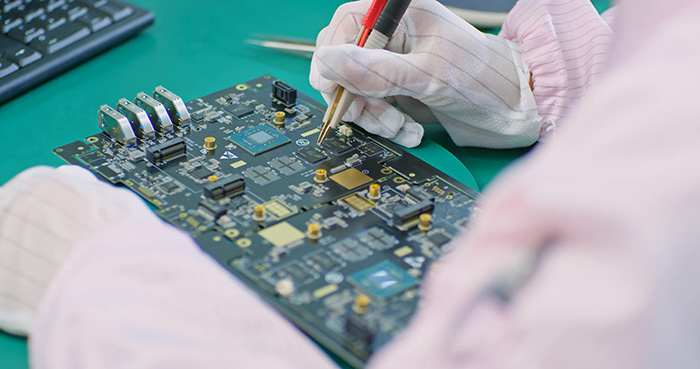
- Inspection and test: AOI, X-ray for BGA and leadless packages, ICT or flying-probe test, and functional test (FCT) to your specifications.
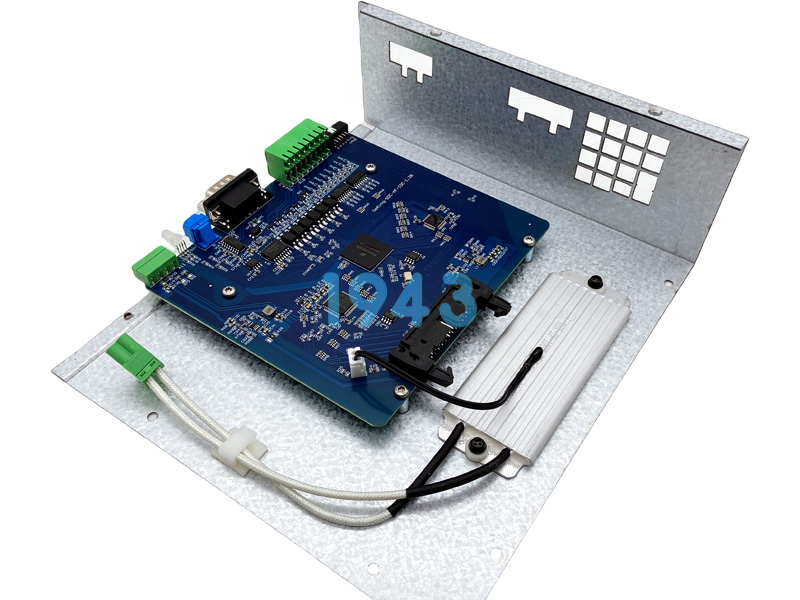
- Box-build and integration: Mechanical assembly, cable harness installation, firmware loading, and burn-in testing.
- Documentation and traceability: First-article inspection (FAI) reports, process travelers, and material certificates of conformance.
The alternative is a kitted or consignment model, where you source the PCB and components yourself and ship them to an assembly house. This works for high-volume, mature products with stable supply chains. For early-stage hardware, it usually creates more problems than it solves.

Why NPI Engineering Matters More Than Speed
Every hardware product moves through three distinct manufacturing phases: prototype validation, pilot-run verification, and volume production. The transition between these phases is where most projects stall.
Prototype builds are designed to prove the circuit works. They are often hand-soldered or built on quick-turn lines with minimal process control. A prototype that functions perfectly in the lab may still be difficult or impossible to build repeatably on an automated line.
NPI engineering bridges this gap. During the NPI phase, the CM's engineering team reviews the design for manufacturability (DFM) and testability (DFT) before the first production board is assembled. Common issues identified at this stage include:
- Component footprints that do not match the sourced package, leading to tombstoning or insufficient solder joints.
- Insufficient spacing between large components and nearby SMD parts, blocking access for soldering or inspection.
- Test-point coverage that is too sparse for automated electrical test, forcing expensive manual verification.
- Panelization layouts that waste material or create weak spots during depaneling.
- Long-lead or end-of-life components that will block production six months from now.
Resolving these issues during NPI costs a fraction of what it costs to fix them after a pilot run fails or, worse, after volume production has started. A CM with a dedicated NPI function will also generate the process documentation—reflow profiles, stencil apertures, test programs, and work instructions—that makes the transition to volume repeatable and auditable.
Small-Batch Box-Build: The Gap Most CMs Ignore
Many PCBA houses are optimized for one thing: placing components on boards as fast as possible. Once the board leaves the SMT line, their interest drops off sharply. But for product teams in the validation or early-market phase, a bare board is not a finished product.
Small-batch box-build assembly—integrating the PCBA into an enclosure, connecting cables, loading firmware, and running system-level functional tests—is a different discipline entirely. It requires:
- BOM coordination across mechanical and electrical domains: The CM must track both electronic and structural components, ensuring everything arrives on time and to specification.
- Flexible work instructions: Unlike SMT, which is highly automated, box-build often involves manual assembly steps that change from product to product.
- System-level testing capability: The CM needs test fixtures, software, and engineering support to verify that the integrated unit—not just the board—meets your requirements.
- Inventory management for low volumes: Holding mechanical parts and custom cables for a 50-unit build is economically different from managing reels of resistors.
A CM that offers turnkey PCBA but stops at the board level forces you to find a second partner for integration, or to manage it in-house. Either option adds lead time, shipping costs, and coordination overhead. For hardware teams running lean, this is often the bottleneck that delays field trials or early customer shipments.
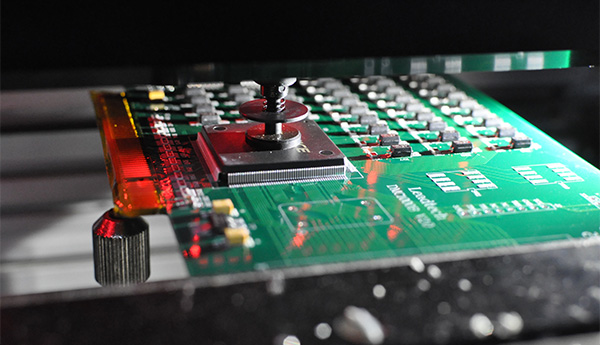
Who Benefits Most from Integrated Turnkey PCBA
Turnkey PCBA with NPI and small-batch box-build is not the right fit for every project. It is most valuable when:
- Your product is in the engineering validation or design validation phase, and you need 50 to 5,000 units for testing, certification, or limited market release.
- Your team is design-heavy and does not have in-house manufacturing engineering or supply-chain management resources.
- Your product includes mixed technology (SMT plus through-hole), high-reliability requirements, or complex mechanical integration.
- You need full traceability and documentation for regulatory submission or quality audits.
- You expect design iterations during the pilot phase and need a CM that can absorb changes without restarting the entire procurement process.
Typical industries that operate in this mode include industrial automation, medical instrumentation, telecommunications infrastructure, and specialized IoT hardware. These markets share a common trait: product lifecycles are long enough that reliability and traceability matter, but volumes are often too low to justify the overhead of managing a fragmented supply chain.

What to Look for in a Turnkey PCBA Partner
Not every CM that advertises "turnkey" delivers the same depth of service. When evaluating partners, look past the equipment list and ask specific questions about their NPI and small-batch capabilities:
1. Is there a dedicated NPI engineering team, or do production engineers handle NPI part-time?
NPI is a distinct discipline. It requires time to review designs, run DFM analysis, and build process documentation. If the same engineers responsible for keeping volume lines running are also expected to handle your pilot run, your project will get deprioritized.
2. What does the DFM review actually cover?
Some CMs run an automated DFM check and send you a PDF. A meaningful review includes solder-paste stencil recommendations, reflow profile guidance, test-point coverage analysis, and component spacing verification against their assembly equipment.
3. Can they handle the full box-build, or do they subcontract mechanical assembly?
Subcontracting is not inherently bad, but it adds a communication layer. If the board does not fit the enclosure, or if a cable pinout is wrong, you want a single point of accountability.
4. What documentation do they provide with the pilot run?
At minimum, you should receive FAI reports, AOI and X-ray inspection records, functional test results, and a process traveler. For regulated industries, material certificates and lot-traceability reports are also essential.
5. How do they manage component obsolescence and alternates?
A CM with strong sourcing capabilities will flag EOL parts during BOM review and propose form-fit-function alternates with datasheets, rather than simply telling you a part is unavailable.
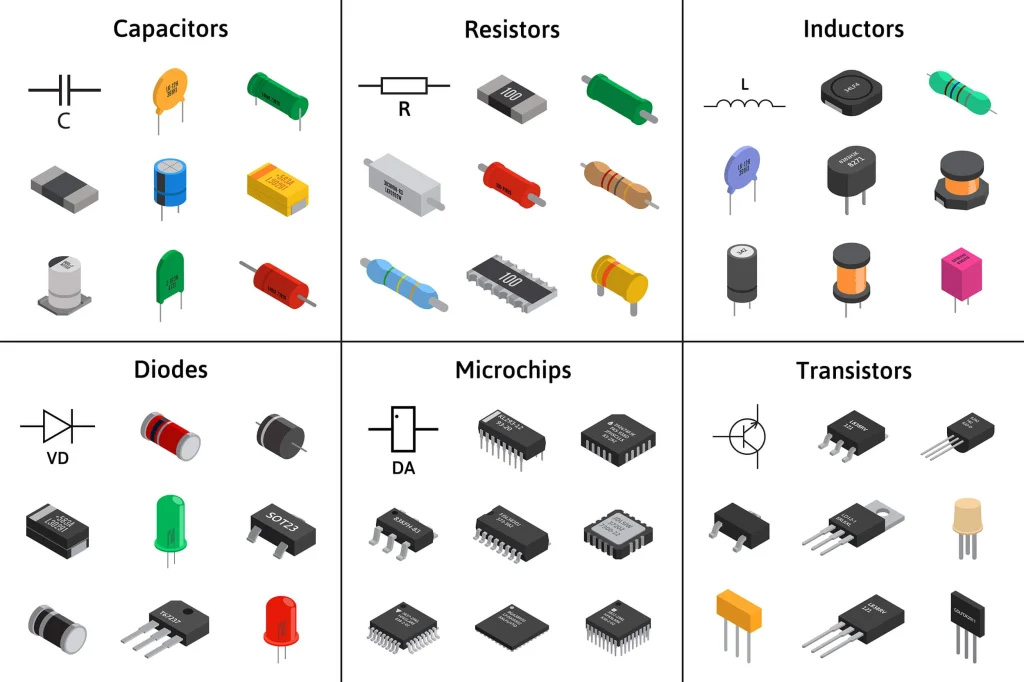
1943 Technology: NPI-First Turnkey PCBA Manufacturing
1943 Technology operates as a PCBA manufacturing partner with a specific focus on the front end of the product lifecycle. Our service model is built around three core capabilities:
PCBA New Product Introduction (NPI) Services
Our NPI engineering team engages before the first board is built. We perform DFM/DFT reviews, validate BOM integrity, optimize panelization, and generate the process documentation required for repeatable builds. For designs with high-density interconnect, RF requirements, or strict thermal constraints, we provide process-specific recommendations rather than generic checklists.
R&D Pilot-Run NPI Support
We maintain flexible NPI production lines separate from our volume lines. This allows us to run pilot builds with the engineering attention they require, without competing for capacity against high-volume orders. Pilot runs include process-parameter validation, first-article inspection, and structured problem-solving for any yield or functional issues that surface.
Small-Batch Box-Build Assembly
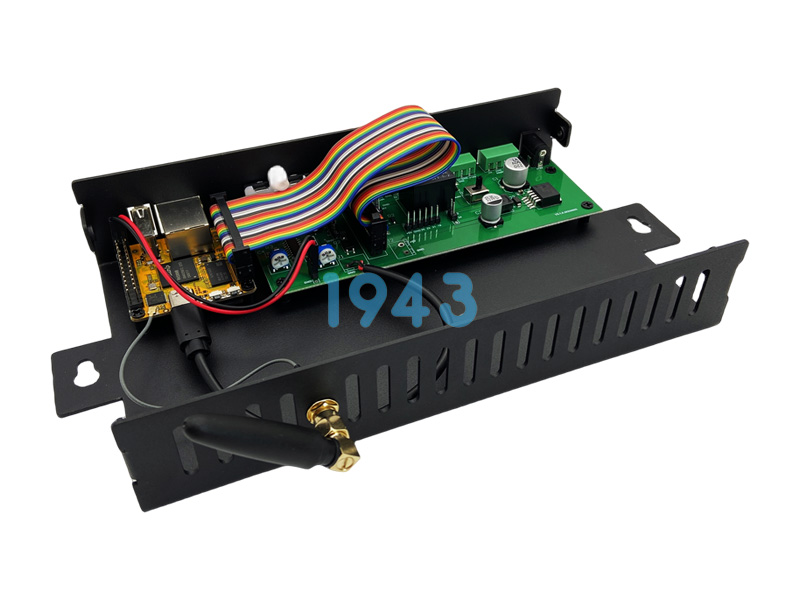
Beyond PCBA, we offer mechanical integration, cable assembly, firmware loading, and system-level functional testing. Our project managers coordinate electronic and mechanical BOMs to ensure kit completeness, and our test engineering team develops fixtures and protocols for unit-level verification.
Our facility is ISO 9001 certified, and we maintain full lot traceability from component receipt through final test. We do not require minimum order quantities for NPI engagements, and we structure our quoting to reflect the engineering effort involved in early-stage builds rather than applying volume-production pricing models that distort the true cost of pilot manufacturing.
Frequently Asked Questions
Q1: What is the difference between turnkey and consignment PCBA assembly?
In a turnkey arrangement, the CM sources the PCB, all components, and manages the full assembly and test process. In a consignment arrangement, you supply some or all of the materials, and the CM provides labor and equipment only. Turnkey is generally preferred for early-stage products because it places supply-chain risk and coordination burden on the CM.
Q2: What does NPI engineering include in a turnkey PCBA project?
NPI engineering typically includes design-for-manufacturability (DFM) review, design-for-testability (DFT) analysis, BOM validation and alternate sourcing, stencil and fixture design, process-parameter development, first-article inspection, and creation of production documentation. The goal is to identify and resolve manufacturing risks before volume commitment.
Q3: How does small-batch box-build differ from standard PCBA assembly?
Standard PCBA assembly produces a populated and soldered circuit board. Small-batch box-build adds mechanical integration, cable harnessing, enclosure assembly, firmware loading, and system-level testing to deliver a finished, ready-to-deploy unit. It requires coordination across electrical and mechanical supply chains and is typically handled by CMs with dedicated integration capabilities.
Q4: What documentation should I expect from a pilot run?
A properly executed pilot run should deliver first-article inspection (FAI) reports, AOI and X-ray inspection records, functional test results, a process traveler or router, and material certificates of conformance. For regulated applications, lot-traceability reports and environmental compliance documentation (RoHS, REACH) may also be required.
Turnkey PCBA services reduce complexity, but their real value lies in manufacturing discipline applied early. A CM that treats NPI as an engineering function—not just a production step—and that can carry a project through to small-batch box-build, gives hardware teams the operational foundation to move from prototype to market without rebuilding their supply chain at every phase.
1943 Technology provides NPI-first turnkey PCBA manufacturing, from design validation and pilot-run engineering through to integrated box-build assembly. Contact our engineering team to discuss your next build.
 2026-05-20