

1943 Technology’s NPI Service Accelerates R&D Prototyping
When it comes to PCBA prototyping and low-to-medium volume production, R&D teams often face a dilemma: high-volume fabs are reluctant to take small orders, while small shops lack the engineering capability. During the NPI (New Product Introduction) stage, where BOM complexity is high, process requirements vary, and lead times are tight, traditional assembly lines either prioritize larger orders or struggle to support engineering iterations.
1943 Technology specializes in low-volume SMT assembly and PCBA NPI services, providing responsive, high-yield manufacturing support for R&D pilot runs and small-batch finished product assembly.
Why Does Low-Volume SMT Assembly Demand More from a Factory?
Low-to-medium volume orders (typically 50–5,000 units) differ fundamentally from high-volume production. The key challenges include:
- Wide BOM variety, small quantities – e.g., a few hundred resistors, limiting supplier flexibility
- Narrow process windows – PCBs in R&D may lack DFM optimization, requiring proactive engineering intervention
- Frequent changeovers – multiple product switchovers per day, demanding efficient machine programming
- Recurrent engineering changes – BOM revisions, stencil modifications, component substitutions need fast closure
A factory with dedicated NPI capabilities can bridge the gap between design and manufacturing from the prototyping stage.
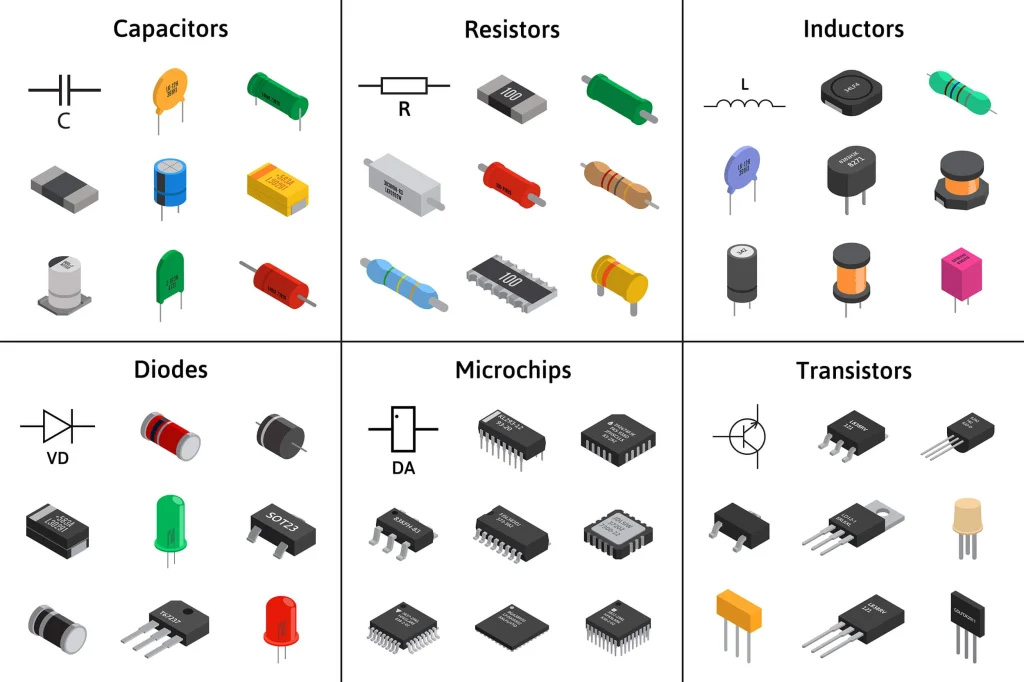
How Does 1943 Technology Serve Low-Volume PCBA Assembly?
1. R&D Pilot NPI – From Gerber to First Article
We understand that pilot production is more than "just picking and placing". 1943 Technology offers:
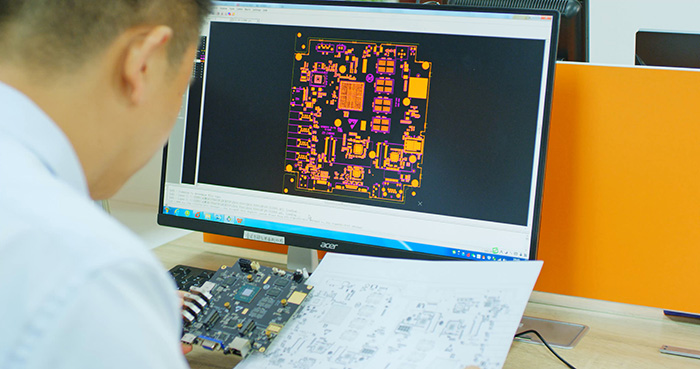
- DFM review – Within 2 hours of receiving Gerber and BOM, we deliver a report highlighting risks on pad design, silkscreen, panelization, etc.
- Rapid material preparation – Support for customer-supplied parts or procurement of common passives and ICs for prototyping
- First article verification – AOI plus manual inspection, with test data shared back to your R&D team
2. Small-Batch Finished Product Assembly
Pilot runs often require complete product assembly beyond SMT. 1943 Technology provides:
- Manual soldering & rework – for odd-form components, connectors, cable assemblies
- Depaneling & conformal coating – automated depaneling, selective coating as required
- Functional testing fixturing – basic PCBA functional verification with customer-provided test specs
3. Flexible Production Scheduling
For low-volume orders, we use dedicated low-volume production lines, separate from high-volume capacity. Changeover time is kept under 30 minutes, supporting 3–5 day delivery for regular low-volume batches, with 24-hour express service available for urgent pilot runs.
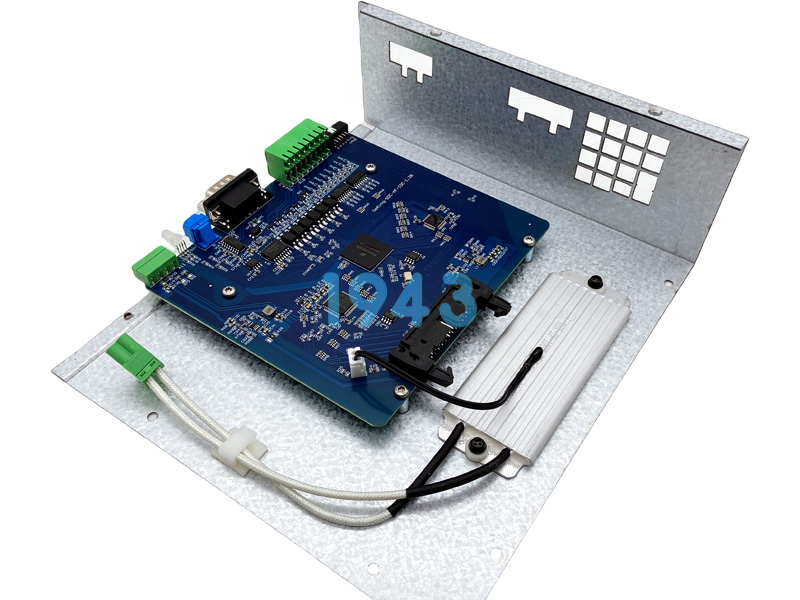
Common Misconceptions About Low-Volume SMT Assembly
| Misconception | Reality |
|---|---|
| Large fabs are always better | Large fabs prioritize high-volume orders; low-volume orders may face 2–3 week delays |
| Good machines are all you need | Engineering experience, material control, and rapid issue response are equally critical |
| Pilot run = just placement | Without functional test and assembly closure, costly design revisions may follow |
3 Technical Indicators for Selecting a Low-Volume PCBA Fab
- PPM & First-pass yield – Top-tier fabs maintain pick & place PPM below 3,000 and first-pass yield ≥98.5%
- BOM & ECN management – Does the factory provide revision history, component substitution logs, and version lock?
- NPI track record – How many new products are introduced per month? Average number of pilot iterations? Engineering headcount ratio?
1943 Technology takes on over 60 NPI projects per month, with engineers comprising more than 30% of our team — ensuring dedicated follow-up for every low-volume product.
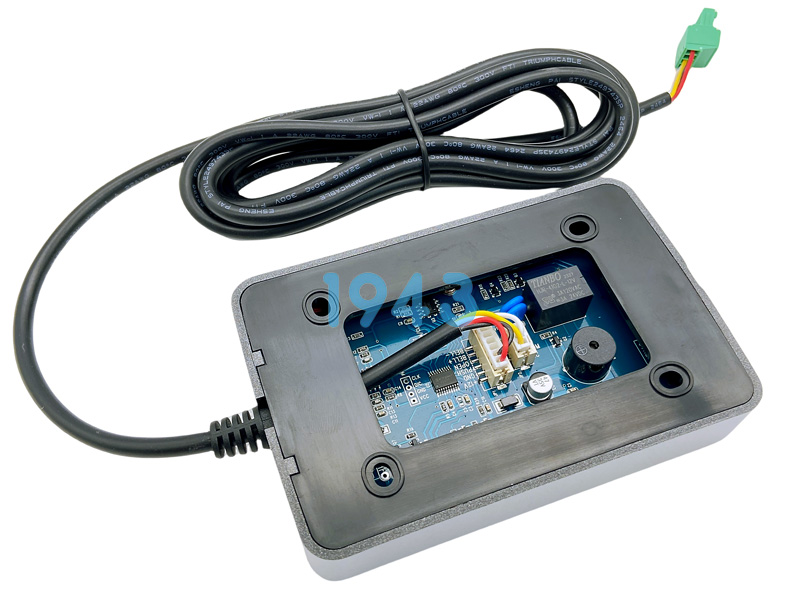
Frequently Asked Questions (FAQ)
Q1: What is the minimum order quantity for low-volume SMT assembly?
A: 1943 Technology has no strict MOQ. We accept everything from 10-piece R&D samples up to 5,000-unit pilot batches. Tiered pricing is available, and sample orders receive the same engineering support as production orders.
Q2: Do you accept customer-supplied (consigned) components? Any restrictions?
A: Yes, fully consigned BOMs are welcome. We require parts to be in tape/reel, tray, or tube format with datasheets provided. For components without labels, showing moisture exposure, or with oxidized leads, we issue advance alerts and suggest handling methods. Consigned passives and ICs from major brands are accepted; we can also procure common parts on your behalf.
Q3: How do you communicate if design issues are found during the NPI stage?
A: Our engineers issue a formal DFM report marking each issue (e.g., incorrect pad size, overlapping silkscreen, mismatched hole dimensions) with suggested corrections. All records are version-controlled and traceable. Communication can be via email, instant messaging, or your project management tool.
Q4: What does your small-batch finished product assembly service include, and what is the lead time?
A: It includes manual soldering/rework, depaneling, conformal coating, and basic functional testing (customer provides test specs or fixture). For typical small-batch assembly (up to 200 sets), add 1–2 working days after SMT completion. The service does not include mechanical enclosure assembly or long-term aging tests.
Conclusion – For R&D-driven companies and engineering teams, the core value of low-volume SMT assembly is not the lowest price, but low communication friction and high pilot efficiency. 1943 Technology, anchored in NPI services, helps your product move smoothly through R&D pilot runs and small-batch production. If you have an upcoming PCBA requirement, contact us for a project-specific quote and DFM pre-review.
 2026-04-30