
Why Is NPI Essential for a Successful Transition from R&D to Mass Production?
Moving a product from research and development (R&D) to mass production involves more than transferring design files to a manufacturing facility. A product that works successfully in the laboratory may encounter process variations, material inconsistencies, assembly difficulties, or reliability issues during production.
This is why New Product Introduction (NPI) plays an essential role in the manufacturing industry. NPI establishes the manufacturing standards, verifies production processes, evaluates material suitability, and identifies potential risks before mass production begins.
For engineering teams and procurement professionals, the key question is not simply whether a product can be manufactured. It is whether the product can be manufactured consistently, reliably, and within the expected project schedule.
At 1943 Technology (Shenzhen 1943Technology Co., Ltd.), NPI is treated as a critical stage connecting product development with stable manufacturing. Its purpose is to establish clear production standards and verify whether the product, materials, processes, and project schedule are ready for mass production.
1. How Does NPI Verify Whether a Manufacturing Process Is Production-Ready?
A product design may be technically complete, but its manufacturing process still requires systematic verification. The purpose of an NPI production line is to determine whether each manufacturing operation can meet the product's technical and quality requirements.
A typical NPI manufacturing process may include the following stages:
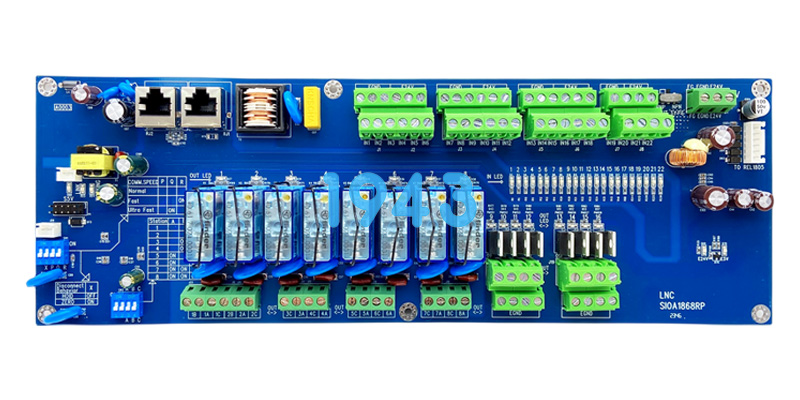
- PCB manufacturing and inspection: Verify PCB specifications, dimensional requirements, surface conditions, and incoming quality.
- SMT assembly: Evaluate solder paste printing, component placement, reflow soldering, and solder joint quality.
- DIP assembly: Verify through-hole component insertion, soldering methods, and assembly consistency.
- Testing: Establish functional test procedures, electrical inspection requirements, and inspection criteria.
- Product assembly: Confirm assembly sequences, mechanical interfaces, fastening requirements, and process instructions.
- Packaging: Verify packaging specifications, product identification, and handling requirements.
- Product protection: Evaluate ESD protection, moisture protection, physical protection, and other applicable requirements.
Each stage should have defined process parameters, inspection methods, and acceptance criteria.
During NPI process validation, engineering teams need to identify process limitations, document production abnormalities, and determine whether corrective actions are required.
The objective is to establish repeatable manufacturing procedures rather than rely on individual operator experience.
For manufacturing engineers, this creates a documented process foundation. For procurement teams, it provides greater visibility into manufacturing readiness before production quantities increase.
2. How Can NPI Reduce Material Selection and Supply Chain Risks?
Material selection directly affects product performance, manufacturing compatibility, production costs, and long-term supply continuity.
A component that meets the initial electrical or mechanical specifications may still create problems if its quality is inconsistent, availability is limited, or its manufacturing compatibility has not been adequately verified.
NPI material validation should therefore evaluate several important factors.
Material specification compatibility
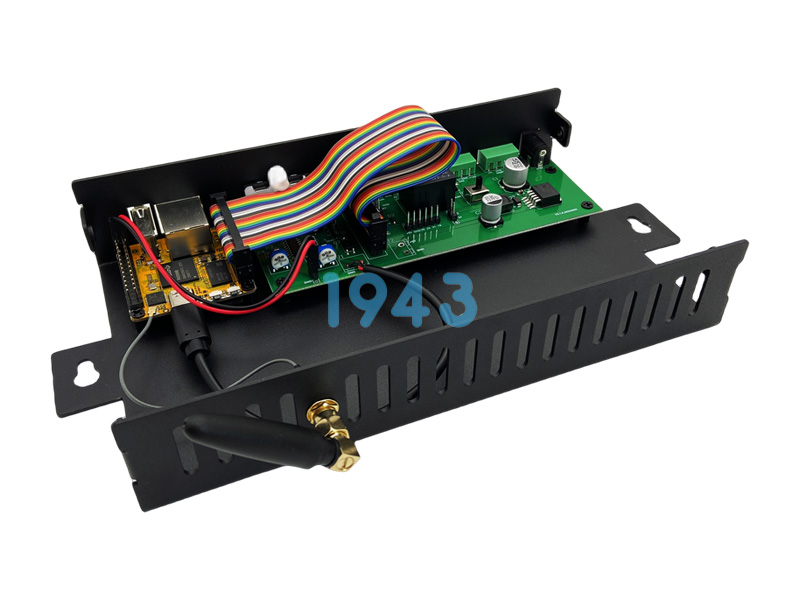
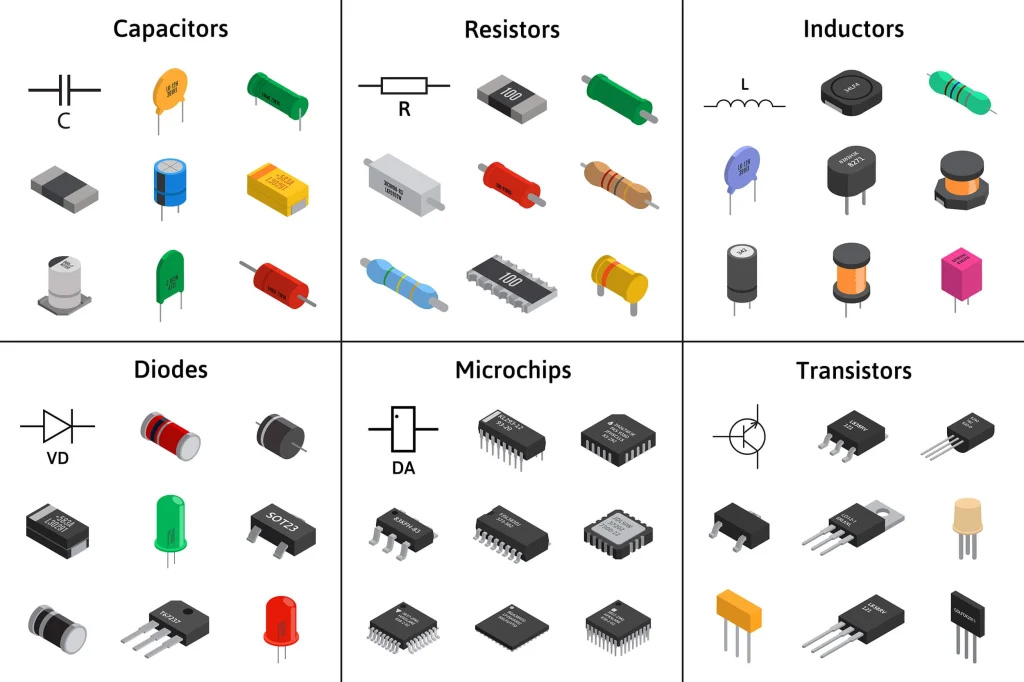
Components, PCB materials, connectors, electronic parts, and structural materials must meet the product's design specifications and applicable manufacturing requirements.
Supplier consistency
Material quality should remain consistent across different procurement batches. Incoming inspection standards and supplier quality records help identify potential variations.
Supply chain availability
Procurement teams need to evaluate material lead times, inventory availability, production capacity, and potential supply interruptions.
Alternative material assessment
When a primary material becomes unavailable, alternative materials should be evaluated for technical compatibility. Any substitution should follow an appropriate engineering approval process.
Batch traceability
Material identification and batch records help manufacturing teams investigate quality issues and establish traceability throughout production.
At 1943 Technology, material and supply chain evaluation is an important part of the NPI process. Establishing material standards before mass production helps reduce unexpected procurement changes and manufacturing interruptions.
For procurement professionals, the objective is to ensure that selected materials are not only technically suitable but also support the project's production requirements.
3. How Does NPI Identify Product Reliability Risks Before Mass Production?
Product reliability cannot be established through appearance inspection or initial functional testing alone.
A product may pass its first functional test but still develop problems after repeated operation, environmental exposure, or long-term use.
NPI reliability verification helps identify potential weaknesses before production volumes increase.
Depending on product specifications and application requirements, reliability evaluation may include:
- Electrical performance testing: Verify electrical parameters and functional stability.
- Thermal evaluation: Examine temperature variations during product operation.
- Environmental testing: Assess performance under specified temperature, humidity, or other environmental conditions.
- Mechanical evaluation: Check structural integrity, fastening reliability, and assembly stability.
- Solder joint inspection: Evaluate soldering quality and potential connection defects.
- Functional verification: Confirm that product functions meet documented technical requirements.
- Process consistency checks: Determine whether production variations affect product performance.
The specific test items, methods, and acceptance limits should be defined according to product requirements rather than applied uniformly to every project.
When an abnormality occurs, engineering teams should identify its root cause, implement corrective actions, and verify whether the issue has been resolved.
This approach makes product reliability testing part of the manufacturing preparation process instead of leaving reliability problems to be discovered after mass production.
For R&D teams, it provides evidence that the product design can meet its intended requirements. For manufacturing teams, it establishes clearer quality control standards.

4. How Can NPI Help Keep Product Development and Production on Schedule?
Project delays frequently occur when manufacturing problems are discovered too late.
Examples include unavailable materials, unverified production processes, incomplete test procedures, assembly difficulties, and repeated engineering changes.
These problems can extend the time between design completion and mass production.
A structured NPI project schedule helps identify these risks earlier.
Several activities are particularly important.
Early manufacturing assessment
Manufacturing engineers review product drawings, BOM information, technical specifications, and assembly requirements to identify potential production difficulties.
Material readiness confirmation
Procurement teams confirm material availability, supplier lead times, and critical component delivery schedules.
Pilot production planning
A suitable pilot production quantity is established according to product complexity and project requirements. The pilot run helps verify whether the planned manufacturing process is practical.
Production issue tracking
Manufacturing abnormalities are recorded, classified, and assigned for corrective action. Unresolved issues should be reviewed before production release.
Engineering change management
Design or material changes should be documented and evaluated for their impact on manufacturing processes, quality standards, and delivery schedules.
Mass production readiness review
Before production release, engineering, quality, procurement, and production teams review process validation results, material readiness, reliability data, and outstanding risks.
At 1943 Technology, NPI connects manufacturing preparation with project schedule management. By identifying production constraints before mass production, project teams can make more informed decisions about manufacturing readiness and delivery expectations.
The objective is not simply to shorten the NPI stage, but to reduce avoidable delays during the transition to volume manufacturing.
5. What Manufacturing Standards Should Be Established Before Mass Production?
One of the most important purposes of NPI is to establish manufacturing standards that can be consistently followed.
Without documented standards, production quality may depend too heavily on individual experience, making process control and problem investigation more difficult.
A complete NPI manufacturing standard system should cover the following areas:
|
Manufacturing Area |
Standards to Establish |
|---|---|
|
PCB |
Specifications, inspection criteria, incoming quality requirements |
|
SMT |
Solder paste parameters, placement accuracy, reflow conditions |
|
DIP |
Insertion requirements, soldering parameters, inspection criteria |
|
Testing |
Test procedures, functional limits, acceptance criteria |
|
Assembly |
Work instructions, assembly sequence, fastening requirements |
|
Packaging |
Packaging specifications, labeling, handling requirements |
|
Product Protection |
ESD, moisture, physical protection requirements |
|
Quality Control |
Inspection plans, defect classification, traceability |
|
Engineering Changes |
Revision control, approval procedures, change records |
These standards should be based on verified engineering requirements and actual production results.
The relevant documentation may include:
- Product specifications and approved BOM.
- Process flow charts.
- Standard operating procedures (SOPs).
- Work instructions.
- Inspection standards.
- Test specifications.
- Quality control plans.
- Engineering change records.
- Pilot production reports.
For 1943 Technology, establishing these standards is central to NPI. The goal is to ensure that the manufacturing process is documented, measurable, traceable, and suitable for subsequent production.
6. When Should a Project Enter the NPI Stage?
NPI should begin before a product is considered fully ready for mass production.
The appropriate starting point is generally when the product design has reached a level of maturity that allows manufacturing assessment, material evaluation, and preliminary process planning.
Several conditions indicate that a project is ready to enter NPI:
- Product design information and technical requirements are available.
- Preliminary BOM and material specifications have been established.
- PCB and assembly requirements are sufficiently defined.
- Manufacturing and testing requirements can be evaluated.
- Engineering and procurement teams can participate in process verification.
NPI is particularly important for products with complex PCB assemblies, multiple manufacturing operations, strict reliability requirements, or demanding delivery schedules.
Starting NPI too late may leave insufficient time to resolve production problems before the planned launch date.
Starting NPI at an appropriate development stage allows engineering, procurement, quality, and manufacturing teams to identify potential issues while changes are still manageable.
7. What Does 1943 Technology Focus on During NPI?
For Shenzhen Yijiusansi Technology Co., Ltd. (1943 Technology), NPI is an essential connection between product development and manufacturing.
Its core purpose is to establish manufacturing standards and verify four key areas before mass production.
1. Manufacturing Process Feasibility
Can the complete production process operate as expected?
This involves evaluating PCB, SMT, DIP, testing, assembly, packaging, and product protection to determine whether the manufacturing process meets technical and quality requirements.
2. Material and Supply Chain Reliability
Are the selected materials suitable, and can the supply chain support production?
This involves evaluating material specifications, supplier consistency, procurement lead times, material traceability, and supply continuity.
3. Product Reliability
Can the product meet its required performance and reliability standards?
This involves defining appropriate inspection and testing procedures, identifying potential defects, and verifying corrective actions.
4. Project Schedule Feasibility
Can the project move from development to production within the expected timeframe?
This requires coordination between engineering, procurement, quality, and manufacturing, together with clear milestone planning and issue tracking.
These four areas form the foundation of 1943 Technology's NPI service approach.
NPI is not simply a trial production activity. It is the stage in which manufacturing requirements are verified, production standards are established, and potential risks are addressed before mass production.
Frequently Asked Questions (FAQ)
Q1: What is the main purpose of NPI in manufacturing?
The main purpose of New Product Introduction (NPI) is to verify whether a product can transition from R&D to stable manufacturing. It evaluates production processes, material suitability, product reliability, and project readiness before mass production.
Q2: What processes are included in an NPI production line?
An NPI production line may include PCB manufacturing, SMT assembly, DIP assembly, functional testing, product assembly, packaging, and product protection. The specific process configuration depends on product structure and manufacturing requirements.
Q3: How does NPI help reduce manufacturing risks?
NPI process validation identifies potential issues involving manufacturing feasibility, material quality, supply chain stability, product reliability, and production scheduling. Early identification allows engineering teams to implement corrective actions before production volumes increase.
Q4: When is a product ready to move from NPI to mass production?
A product is generally ready for mass production when its manufacturing processes have been validated, materials are available and approved, required testing has been completed, quality standards are documented, and major production risks have been addressed. The final decision should follow a formal production readiness review.
Conclusion
The transition from R&D to mass production requires more than a completed product design. It requires verified manufacturing processes, reliable materials, documented quality standards, and realistic project scheduling.
NPI provides the technical and operational foundation for this transition.
By focusing on process feasibility, material and supply chain reliability, product reliability, and project schedule control, 1943 Technology integrates manufacturing requirements into the early stages of production preparation.
The objective is straightforward: establish the standards before mass production, verify the process before increasing production volume, and make manufacturing readiness measurable.
Latest information
Let the products quickly and stably realize marketization and become the global electronic intelligence innovation enabler
 2026-11-06