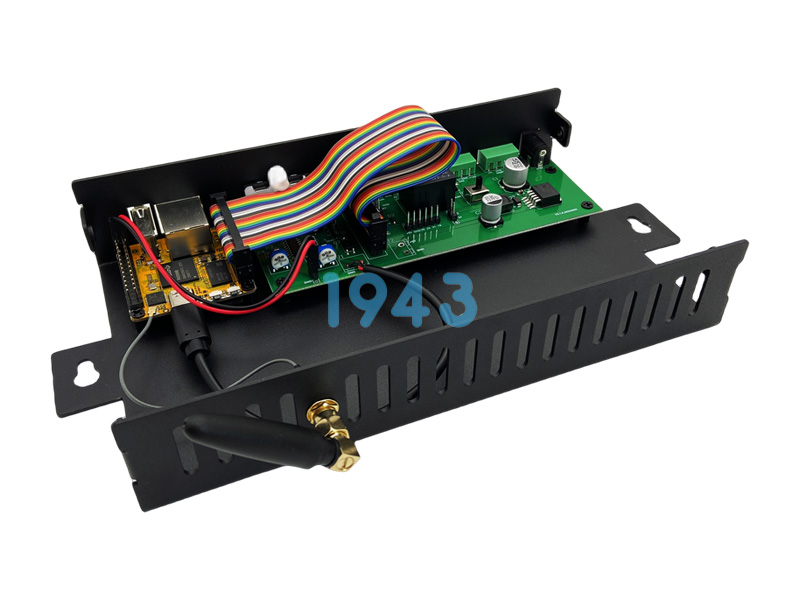

Navigating Low-Volume High-Mix PCBA NPI for Industrial Hardware
Developing industrial electronic hardware requires a rigorous transition from prototype design to functional production. For engineering teams working on specialized industrial machinery, automation controls, and commercial instrumentation, the New Product Introduction phase represents a critical bridge. Low-volume high-mix manufacturing models are specifically engineered to support this exact phase, accommodating frequent design iterations without the financial burdens traditionally associated with mass production.
The Realities of Low-Volume High-Mix Production
Industrial hardware development rarely moves in a straight line. Engineers frequently refine schematics, optimize thermal management, and substitute components based on availability and testing results. Traditional volume manufacturing lines are optimized for long runs of identical printed circuit board assemblies and impose severe financial and logistical penalties on small batch sizes.
A dedicated low-volume high-mix approach eliminates these bottlenecks. By structuring manufacturing lines for rapid setup changes rather than continuous identical output, contract manufacturers can efficiently process batches ranging from ten to several hundred units. This flexibility allows engineering teams to validate circuit performance in actual operating environments before committing capital to scaled manufacturing.
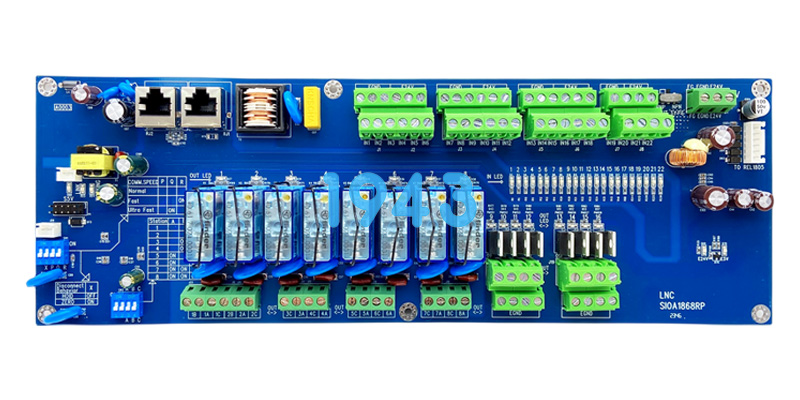
Core Objectives in New Product Introduction
The primary goal of NPI is to identify and resolve manufacturing vulnerabilities before volume scaling begins. During the early transition phase, potential issues such as component footprint mismatches, solder bridging risks, and thermal profile imbalances must be caught and corrected.
Comprehensive NPI services focus on several key pillars:
- Design for Manufacturability Analysis: Reviewing Gerber files and bill of materials data to verify that component spacing, pad dimensions, and trace widths align with assembly equipment tolerances.
- Component Engineering and Traceability: Sourcing authentic active and passive components through authorized distributors while establishing clear lifecycle tracking for every part on the board.
- Prototyping and Functional Verification: Executing surface mount technology placement, through-hole soldering, and automated optical inspection under conditions that mirror final production standards.
- Process Optimization: Defining exact stencil thicknesses, solder paste parameters, and reflow oven thermal profiles tailored to the specific board geometry.
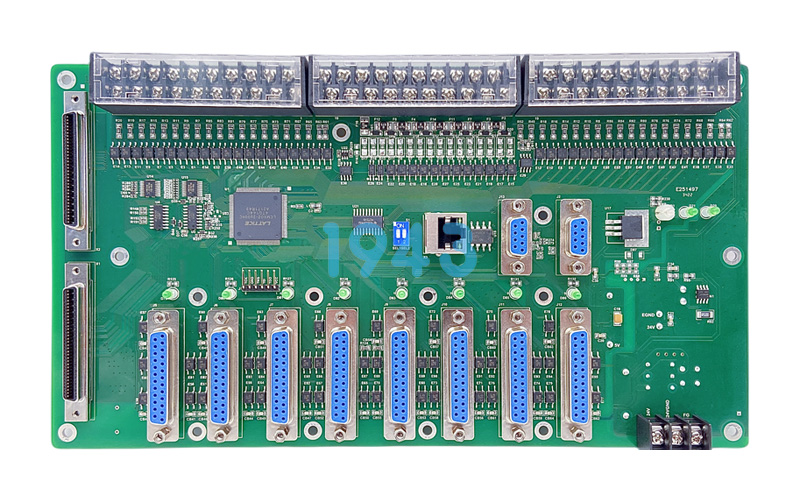
Engineering Collaboration and Data Integrity
Successful execution of a low-volume high-mix build relies on precise data exchange between the customer and the manufacturing partner. Complete documentation packages—including centroid files, assembly drawings, and clear Bill of Materials lists with approved manufacturer part numbers—minimize ambiguity.
When manufacturing partners engage directly with design engineers during the early review stage, potential assembly hurdles are addressed prior to line setup. This collaborative verification ensures that the physical printed circuit board assembly matches the functional intent of the original design, reducing costly debugging cycles in the laboratory.
Quality Assurance in Small-Batch Trials
Even in small production runs, rigorous testing standards must be maintained. Automated optical inspection verifies solder joint integrity and component placement accuracy immediately following the reflow process. For complex multi-layer boards, X-ray inspection is frequently employed to inspect hidden solder joints beneath ball grid array packages and leadless chip carriers.
By combining rigorous optical verification with electrical testing protocols, manufacturing teams provide reliable data that helps engineers validate firmware, power regulation, and signal integrity. This methodical validation secures the foundation for subsequent production phases without compromising development timelines.

Frequently Asked Questions
What batch sizes qualify as low-volume high-mix production?
Typically, low-volume high-mix production covers batches ranging from 1 to 500 units per run, featuring frequent product variations, custom specifications, or specialized industrial configurations.
Why is a DFM review necessary before the initial trial build?
A Design for Manufacturability review identifies physical layout conflicts, inadequate thermal relief, and soldering risks early, preventing costly tooling changes and assembly delays.
How are component shortages handled during the NPI stage?
Manufacturers utilize authorized global supply chain networks to source verified parts, while maintaining close communication with engineering teams to approve form-fit-function alternatives when original parts face long lead times.
What testing methods are standard during small-batch assembly?
Standard verification protocols include automated optical inspection, X-ray inspection for hidden joints, and basic in-circuit or functional testing as specified by the hardware designer.
Latest information
Let the products quickly and stably realize marketization and become the global electronic intelligence innovation enabler
 2026-11-06