
How to Prepare a PCBA Prototype for a Smooth NPI Build
Why Does PCBA Prototype Preparation Matter?
A PCBA prototype is often the first opportunity to verify whether an electronic design can be assembled and tested as intended. However, prototype delays are not always caused by complex technical problems. Missing files, unclear BOM details, incomplete assembly drawings, and unresolved component issues can all affect the build.
Good preparation helps the manufacturing team identify risks before production begins. It also reduces unnecessary engineering questions, material delays, and rework.
For companies moving from R&D toward production, a well-prepared prototype provides a more reliable starting point for NPI (New Product Introduction).
1. Prepare Complete and Consistent PCB Design Files
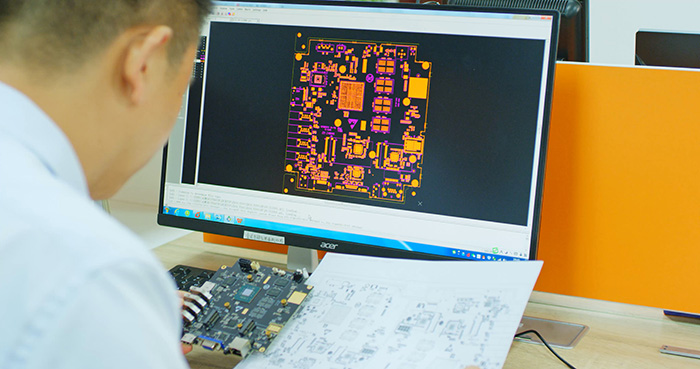
The manufacturing team needs accurate design data to fabricate the PCB and prepare the assembly process.
Typical files include:
- Gerber or other accepted PCB fabrication files
- NC drill files
- PCB stack-up information
- Board outline and dimensions
- Controlled impedance requirements, if applicable
- PCB revision information
Before submitting the files, confirm that they match the latest approved design. Check that the board outline, drill data, copper layers, and fabrication notes are consistent. If the design has changed after the files were generated, issue a new revision rather than sending updated files without explanation.
2. Review the BOM Before Sending It
The bill of materials (BOM) is one of the most important documents in a PCBA prototype build.
A useful BOM should include:
- Reference designators
- Manufacturer part numbers
- Component descriptions
- Quantities
- Package information
- Approved alternative parts, if applicable
Avoid using vague descriptions such as “resistor” or “capacitor” without specifying the electrical value and package.
Check whether each part number is complete and whether the listed package matches the PCB footprint. Also identify components that are obsolete, difficult to source, or subject to long lead times.
If substitutions are allowed, specify which alternatives have engineering approval. The manufacturer should not assume that a similar-looking component is electrically interchangeable.
3. Provide Clear Assembly Drawings and Special Instructions
Assembly drawings help explain how components should be placed and assembled.
They are particularly useful when the board includes:
- Polarity-sensitive components
- Connectors with specific orientations
- Components with unusual mounting requirements
- Mechanical parts or hardware
- Components requiring special handling
Include clear top and bottom assembly views where necessary. Mark polarity, pin 1 orientation, and any special assembly requirements. If certain components must not be substituted, or if a specific process is required, state this clearly in the build documentation.
4. Identify Component and Manufacturing Risks Early
Prototype builds often involve small quantities of components that have not been fully evaluated for manufacturing.
Before the build, review potential risks such as:
- Parts with uncertain availability
- Fine-pitch or bottom-terminated packages
- Unusual PCB thickness or surface finish
- Tight component spacing
- Special soldering or handling requirements
For challenging packages, discuss stencil design, solder paste application, inspection methods, and rework limitations with the manufacturing team. Early review does not eliminate every problem, but it gives engineers time to make informed decisions before assembly starts.
5. Define Testing Requirements
A completed PCBA is not necessarily a verified prototype. Testing requirements should be agreed upon before the build.
Depending on the project, testing may include:
- Visual inspection
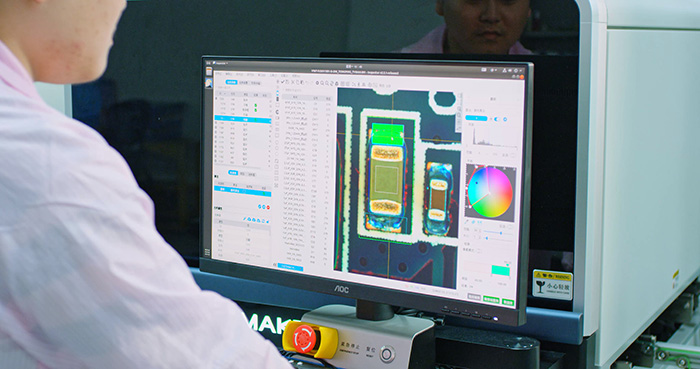
- Automated optical inspection (AOI)
- In-circuit testing (ICT)
- Power-on checks
- Functional testing
- Programming or firmware loading
Provide test procedures, expected results, test fixtures, and required software where applicable. If functional testing depends on customer-supplied equipment or firmware, clarify who will provide these resources and when they will be available.
6. Control Revisions During the Prototype Build
Design changes are common during NPI. However, uncontrolled revisions can lead to incorrect assembly or inconsistent test results.
Use clear revision identifiers for PCB files, BOMs, assembly drawings, and test documents.
If a change occurs after material purchasing or assembly has started, inform the manufacturer immediately. The team should determine which materials and boards are affected before applying the update.
For each engineering change, record what changed, why it changed, and which build quantity or serial numbers are affected.
7. Review the Build Results Before the Next Stage
After the prototype build, review more than the number of completed boards.
Useful feedback includes:
- Assembly defects and rework records
- Component availability issues
- Footprint or polarity problems
- Soldering and inspection findings
- Functional test failures
- Suggestions for improving manufacturability
This information helps engineering teams distinguish design problems from process issues. It also provides practical input for the next prototype revision, pilot build, or production preparation.

How Shenzhen 1943 Technology Supports PCBA Prototype and NPI Builds
Shenzhen 1943 Technology Co., Ltd. provides turnkey PCBA manufacturing and NPI support for engineering prototypes, low-volume builds, and pilot production.
Our services cover PCB and BOM review, component sourcing, PCB fabrication coordination, SMT and through-hole assembly, inspection, and testing support.
By reviewing design files and manufacturing requirements before assembly, we help customers identify potential issues earlier and prepare a more controlled transition from engineering development to production.
Frequently Asked Questions
1. What files are required for a PCBA prototype build?
Common requirements include Gerber files, NC drill files, BOM, pick-and-place data, assembly drawings, and relevant fabrication or assembly notes. Test documentation may also be required.
2. Should the BOM include alternative components?
Yes, if approved alternatives are available. Each alternative should be identified by its manufacturer part number and reviewed for electrical, mechanical, and package compatibility.
3. When should manufacturing review the prototype design?
Ideally, before PCB fabrication and component purchasing. Early review gives the manufacturing team time to identify documentation gaps, sourcing risks, and assembly challenges.
4. What happens after the first PCBA prototype build?
The team should review assembly quality, test results, defects, and manufacturing feedback. Any required design or process changes should be documented before the next build.
Latest information
Let the products quickly and stably realize marketization and become the global electronic intelligence innovation enabler
 2026-11-06