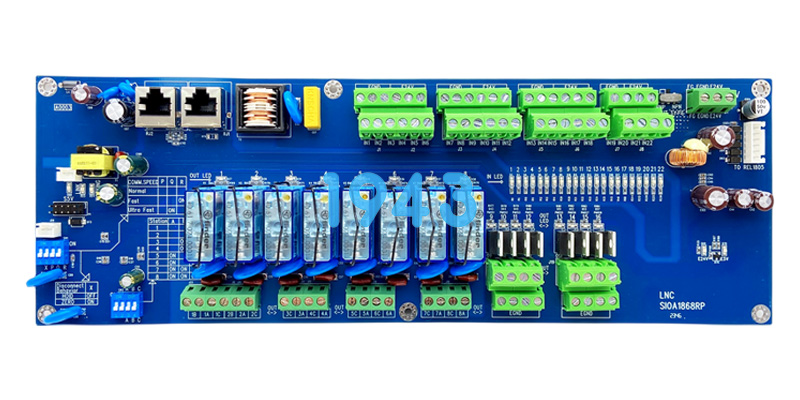

Managing Engineering Changes During Low-Volume PCBA Builds
Why Engineering Change Management Matters
Engineering changes are common when electronic products move from prototype development toward repeatable manufacturing. Engineers may update a PCB layout, replace an unavailable component, correct a footprint, or revise firmware after testing an earlier build.
These changes can affect more than the design itself. A revised PCB layout may require new pick-and-place data, while a BOM update may affect components that have already been purchased. If different files represent different revisions, the manufacturer may assemble boards using inconsistent information.
This is particularly relevant to low-volume, high-mix PCBA manufacturing, where several board designs may be developed and assembled within a limited period.
Engineering change management establishes how modifications are reviewed, approved, implemented, and documented. It helps ensure that the PCB, BOM, assembly instructions, and test requirements remain consistent throughout the project.
Common Types of Engineering Changes in PCBA Builds
PCB layout and fabrication changes
PCB changes may involve component relocation, revised copper routing, modified footprints, changes to drill sizes, or adjustments to the board outline.
These modifications can affect electrical performance, mechanical fit, assembly programming, and fabrication requirements.
For example, moving a connector may require updated placement coordinates and a new mechanical clearance check. Changing a fine-pitch footprint may also affect soldering and inspection requirements.
When the PCB layout changes, engineering should identify all related files that need to be regenerated before the next build.
BOM and component changes
BOM revisions may introduce new manufacturer part numbers, approved alternatives, or different component packages.
A replacement component should not be considered equivalent simply because it has a similar description. Differences in pin assignments, voltage ratings, tolerances, package dimensions, or firmware compatibility can affect product performance.
The engineering team should evaluate the proposed alternative and approve it before the manufacturer uses it.
Component availability and lead times should also be reviewed early, particularly when a design relies on specialized integrated circuits or components with limited distribution.
Assembly and test changes
Changes may also affect soldering instructions, component handling, conformal coating, inspection criteria, firmware programming, or functional testing.
For example, a revised test procedure may introduce new operating conditions or acceptance limits. The manufacturer needs the updated instructions before applying them to production.
When hardware and firmware revisions both affect product behavior, the build records should identify the applicable versions.

Establish a Controlled Engineering Change Request
A change request should describe the proposed modification, the reason for the change, the affected product, and the documents or components involved.
The request should identify whether the change is intended to correct a manufacturing issue, improve performance, replace an unavailable component, or resolve a problem found during testing.
Relevant evidence, such as test results, inspection records, or photographs, can help the team evaluate the issue.
Identify affected documents
Depending on the change, the affected files may include:
- PCB layout and fabrication data.
- BOM and approved component alternatives.
- Pick-and-place files and assembly drawings.
- Firmware and programming instructions.
- Inspection criteria and test procedures.
Not every change affects every document. However, the impact should be reviewed rather than assumed.
For example, changing a component package may require updates to the PCB footprint, placement data, stencil design, and inspection method.
Define approval responsibilities
The change process should identify who can approve design modifications, component substitutions, and manufacturing instructions.
A PCBA manufacturer can identify manufacturing risks and suggest alternatives, but changes affecting product design should be approved by the customer's authorized engineering representative unless another arrangement has been agreed.
This distinction prevents procurement or manufacturing decisions from unintentionally changing the approved design.
How to Control PCB and BOM Revisions
Revision control ensures that engineering and manufacturing use the correct files for each build.
Maintain a consistent release package
Each manufacturing release should identify the applicable PCB revision, BOM, placement data, assembly drawing, and other required documents. Firmware and test procedure revisions should also be recorded when relevant.
All files should represent the same intended configuration.
When a new revision is released, previous files should be clearly marked as superseded while remaining available for historical reference where necessary.
Avoid ambiguous filenames such as final_latest or final_new. Use a defined revision identifier and release record instead.
Check dependencies between files
A change to one document can affect several others.
Moving a component may require updated placement coordinates and assembly drawings. Changing a component package may affect the footprint, stencil, and soldering process.
Before releasing revised files, the engineering team should identify these dependencies and confirm that all necessary updates have been completed.
This reduces the risk of manufacturing boards from a mixture of old and new design data.
Managing Changes After Components Have Been Purchased
The timing of an engineering change affects its cost and implementation.
If a change is approved before procurement, the manufacturer may be able to purchase the revised components directly. If materials have already been ordered, the team must determine whether they remain suitable for the updated design.
Review material status
Affected components may be unpurchased, on order, received, allocated to a build, or already installed on a PCB. The manufacturer should identify the status of these materials and discuss the available options with the customer.
Depending on technical suitability and supplier terms, existing components may be retained for an earlier revision, returned where permitted, or treated as excess inventory.
Document component disposition
If a change makes existing materials unsuitable, record how those materials will be handled. Unused components should not be returned to general production stock without confirming their identity, condition, and approved usage.
Clear material records help prevent obsolete or unapproved parts from being installed in a subsequent build.
What to Do When Assembly Is Already Underway
An engineering change during active production requires coordination between engineering, purchasing, and manufacturing. The team should first determine whether the affected PCBs have been fabricated, components installed, testing completed, or boards delivered.
Separate different revisions
If both the original and revised configurations must be retained, identify them as separate build revisions. Depending on the project, this may involve PCB markings, serial numbers, labels, or controlled production records.
The identification method should allow the team to associate each board with the correct design files and test results.
Evaluate rework requirements
Some changes can be implemented through controlled component replacement or other approved rework. Others may require a new PCB because the layout, footprint, or mechanical construction has changed.
Before rework, engineering should determine whether the modification is technically acceptable and define the necessary inspection and verification activities.
The project team should also decide whether reworked boards are suitable for engineering evaluation only or for another intended use.
Verify the Change Before the Next Build
An approved change should be verified to confirm that it achieves the intended result. The required verification depends on the nature and risk of the modification.
For a PCB layout change, the team may need to review updated design data and confirm mechanical compatibility. A component substitution may require an electrical assessment, while a firmware change may require functional testing.
Testing should focus on the characteristics affected by the change. For example, a modification to a power circuit may require checks of voltage, current, thermal behavior, or startup performance under defined conditions.
Once the change has been verified and approved, release the updated manufacturing package and ensure that the manufacturer has received the correct files before the next build begins.
Keep the change request, approval, updated documents, and verification records together so that future engineering teams can understand what changed and why.
Common Engineering Change Management Mistakes
Several recurring mistakes can create problems during low-volume PCBA builds.
One is sending a revised BOM without identifying the corresponding PCB revision. Another is allowing purchasing to substitute an unavailable component without the required engineering approval.
Using email discussions without updating the controlled manufacturing files can also create confusion. Emails may document decisions, but the released files must reflect the approved configuration.
Finally, different revisions should not be treated as one identical batch. Build records must identify which configuration was assembled and which test results apply to it.
Engineering Change Management at Shenzhen 1943 Technology Co., Ltd.
Shenzhen 1943 Technology Co., Ltd. provides turnkey PCBA manufacturing support for engineering prototypes, NPI builds, and low-volume, high-mix electronic assemblies.
Engineering changes in these projects may affect PCB fabrication, component procurement, assembly instructions, inspection, or functional testing. The applicable files, revision identifiers, and approval responsibilities should therefore be established before the build begins.
When a change occurs, its impact on materials, work in progress, manufacturing instructions, and verification requirements should be assessed before implementation.
Maintaining a controlled engineering baseline helps development teams track product changes and provides a consistent reference for subsequent PCBA builds.

Frequently Asked Questions
1. What is engineering change management in PCBA manufacturing?
It is the controlled process of reviewing, approving, implementing, and documenting changes to a PCBA design or its manufacturing requirements. It keeps design files, BOM data, assembly instructions, and test records consistent.
2. How should a PCBA manufacturer handle a BOM revision during production?
The manufacturer should identify affected materials and their current status. Proposed component substitutions must follow the agreed approval process, and the applicable manufacturing files should be updated before the revised configuration is assembled.
3. Does every engineering change require a new PCB revision?
No. Changes to firmware, the BOM, or test instructions may not require a PCB layout revision. However, all affected documents and the relationship between revisions must be recorded clearly.
4. How can different PCBA revisions be tracked in a low-volume build?
Use controlled release records, revision identifiers, and traceable production documentation. Where necessary, use board markings, serial numbers, or labels to associate each assembly with its design revision and test results.
Latest information
Let the products quickly and stably realize marketization and become the global electronic intelligence innovation enabler
 2026-11-06