
What to Include in a Turnkey PCBA Manufacturing Package
What Does Turnkey PCBA Manufacturing Include?
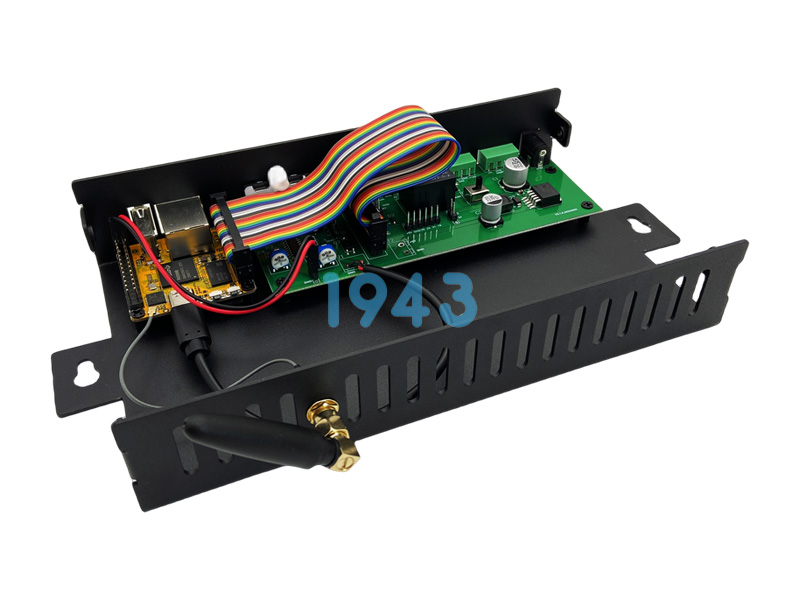
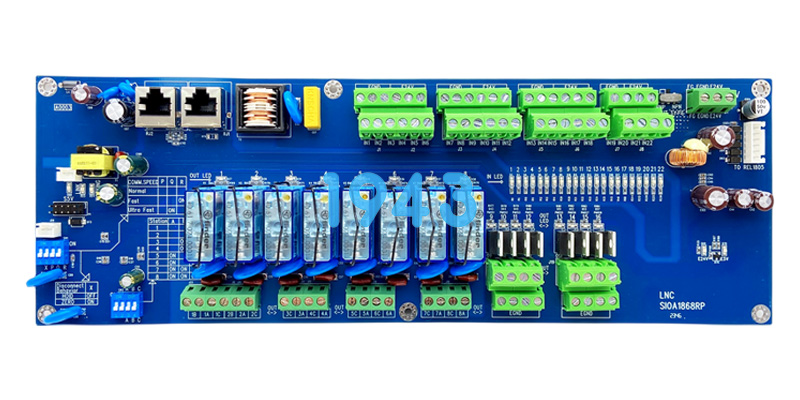
Turnkey PCBA manufacturing is an arrangement in which a manufacturing supplier manages the agreed procurement and assembly activities for a printed circuit board assembly project. Depending on the contract, the scope may include bare PCB fabrication, component sourcing, SMT assembly, through-hole assembly, inspection, electrical testing, programming, and packaging.
For engineering teams developing new hardware, turnkey manufacturing can simplify coordination between PCB fabrication, component distributors, and assembly operations. Instead of managing each supplier independently, the customer works with one manufacturing partner for the activities included in the agreed scope.
However, turnkey does not mean that every technical requirement is automatically covered. The manufacturer needs complete design information, accurate material specifications, and clear instructions about testing, substitutions, inspection, and acceptance.
These details are particularly important for engineering prototypes and low-volume, high-mix builds, where designs may change frequently and component quantities may be too small to absorb the cost of avoidable errors.
A well-prepared manufacturing package gives both parties a common reference for quotation, procurement, assembly, and final inspection.
Which Files Are Required for a Turnkey PCBA Quote?
The exact documentation depends on the board and the requested services. Most projects benefit from preparing the following core files before requesting a quotation.
Gerber or ODB++ manufacturing data
Gerber files are widely used to communicate PCB fabrication information. An ODB++ package can also provide structured design and manufacturing data when supported by the customer's design tools and the supplier's workflow.
The supplied data should represent the intended PCB revision and include the required copper, solder mask, silkscreen, and other fabrication layers. Drill files and a fabrication drawing are generally needed to communicate hole sizes, board dimensions, stack-up requirements, surface finish, and other construction specifications.
Controlled impedance, special materials, copper weights, via requirements, and dimensional tolerances should be explicitly documented when applicable.
A manufacturer should not have to infer critical fabrication specifications from an incomplete set of artwork files.
Bill of materials
The BOM is one of the most important documents in a turnkey PCBA project because it determines which components must be purchased and installed.
A useful BOM normally contains:
- Reference designators identifying component locations.
- Manufacturer names and complete manufacturer part numbers.
- Component descriptions and package information.
- Quantity per board.
- Approved alternate part numbers, where applicable.
- Do-not-install instructions for designated positions.
- Customer-supplied or consigned material details, where applicable.
The BOM should distinguish between a specific approved component and a generic description. For example, a resistor's resistance and tolerance alone may not identify all the electrical, package, power, and environmental requirements needed for an acceptable replacement.
Manufacturer part numbers should be checked carefully for suffixes that indicate package, tolerance, temperature range, finish, or other variants.
Pick-and-place or centroid data
Pick-and-place data, also called centroid or XY data, describes the locations and orientations of surface-mount components.
The file generally includes reference designators, X and Y coordinates, rotation, and the relevant board side. The exact format depends on the design software and the manufacturer's equipment programming requirements.
The data must align with the supplied PCB design and BOM. Incorrect rotations, coordinate origins, board-side assignments, or reference designators can lead to placement errors or additional programming work.
When the data is exported from the PCB design system, the engineering team should confirm that it corresponds to the same revision as the fabrication and assembly files.
Assembly drawings and fabrication notes
Assembly drawings provide information that may not be obvious from the PCB artwork or BOM alone.
They can identify component orientation, polarity, connector locations, mechanical restrictions, special assembly instructions, and other requirements relevant to production.
The documentation should also identify any cleaning restrictions, conformal coating, potting, labeling, serialization, or packaging requirements if these are part of the project.
If the board has components that must be installed manually or handled using a specific method, those requirements should be stated clearly.
How Should the BOM Be Prepared for Component Sourcing?
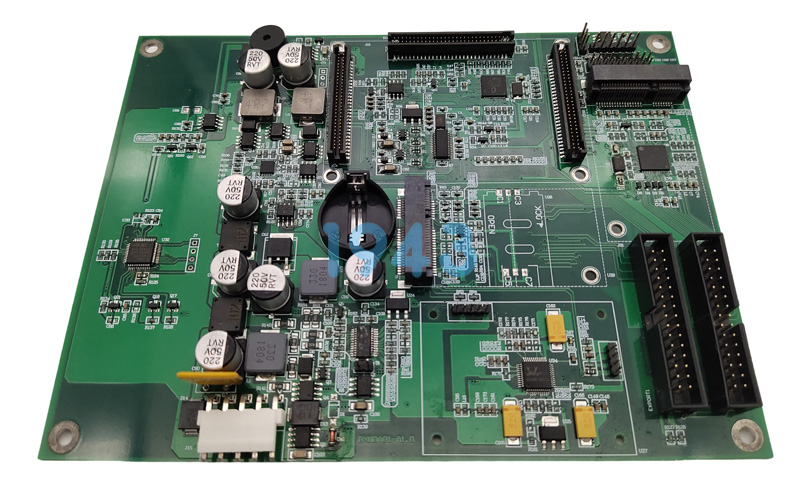
Component sourcing is a major part of turnkey PCBA manufacturing. A technically correct BOM can still cause delays if it lacks purchasing information or includes components that are difficult to obtain.
Use complete manufacturer part numbers
Descriptions such as “microcontroller,” “10 kΩ resistor,” or “USB connector” are not sufficient for unambiguous procurement.
The BOM should identify the intended manufacturer and full part number wherever a specific component has been selected. If a component is defined by performance requirements rather than a particular manufacturer, the acceptable specifications and selection rules should be documented.
This distinction is important when multiple parts share a similar description but differ in electrical ratings, dimensions, pin assignments, or environmental specifications.
Identify approved alternatives before purchasing
An alternative component may appear equivalent in a distributor catalogue but still introduce engineering risks.
Before approval, the responsible engineer should consider electrical characteristics, package dimensions, pin compatibility, thermal behavior, firmware dependencies, compliance requirements, and operating conditions.
The BOM or a separate approved vendor list should make it clear which alternatives are permitted and which components require written customer approval before substitution.
For critical integrated circuits, programmable devices, precision components, and parts with specialized interfaces, substitution should not be treated as a routine purchasing decision.
Confirm component lifecycle and availability
Component availability can change between the first prototype and a later build. A part may have a long lead time, a minimum order quantity, limited authorized distribution, or an announced end-of-life date.
The manufacturer should identify material risks early enough for the engineering team to evaluate alternatives or adjust the schedule.
For small quantities, procurement can also be affected by supplier packaging, reel quantities, cut-tape availability, and the minimum quantities sold by distributors.
These factors should be considered during quotation rather than after the assembly schedule has been established.
Define the sourcing arrangement
Turnkey PCBA normally means that the manufacturer purchases the agreed materials, but project-specific arrangements can vary.
The quotation should identify whether the manufacturer supplies the bare PCB, all components, solder paste, stencils, and any special materials or tooling. Customer-supplied parts should be listed separately, with quantities, condition requirements, and delivery responsibilities clearly defined.
The parties should also agree on how shortages, excess material, unused components, and approved substitutions will be handled.
Which Assembly and Quality Requirements Should Be Specified?
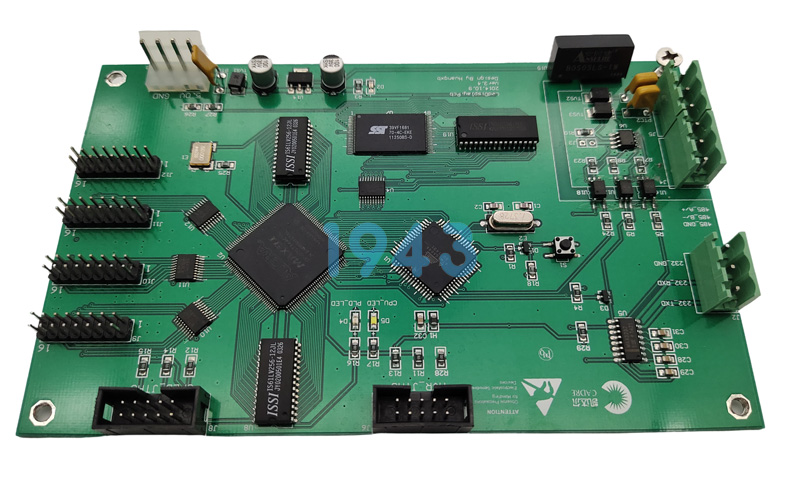
A manufacturing package should describe not only what the board contains, but also how the finished assembly will be evaluated.
SMT and through-hole assembly
Most PCBA projects require some combination of surface-mount and through-hole assembly.
The component mix, board construction, package types, and assembly sequence influence the appropriate manufacturing method. Boards with fine-pitch packages, bottom-terminated components, heavy connectors, or mixed soldering technologies may require additional process planning.
Special requirements should be identified before the build, including component handling restrictions, moisture-sensitive device controls, selective soldering needs, or temperature limitations.
The supplier should review these requirements against the available manufacturing process rather than assume that every board can use an identical assembly setup.
Inspection requirements
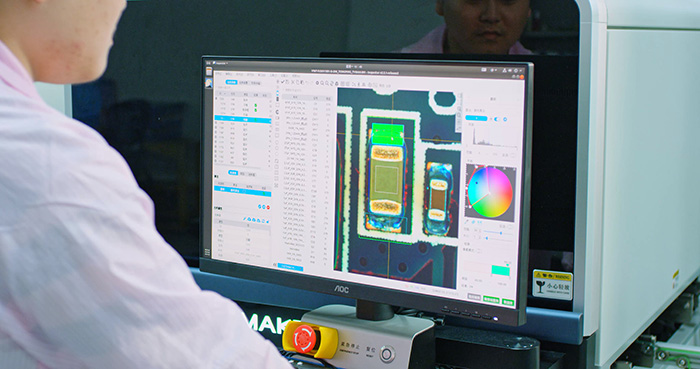
Automated optical inspection is useful for detecting many visible defects, such as missing parts, misalignment, polarity errors, and certain soldering problems.
X-ray inspection may be necessary for hidden solder joints or packages whose connections cannot be inspected optically. Visual inspection and other methods may be appropriate for additional assembly characteristics.
The required inspection method should reflect the design, component package types, customer specifications, and product risk.
If a customer requires particular acceptance criteria or inspection records, these requirements should be communicated before production begins.
Electrical and functional testing
Electrical verification can range from basic continuity checks to more extensive functional tests.
In-circuit testing can evaluate selected electrical characteristics when suitable test access and fixtures are available. Functional testing checks behavior against defined operating conditions and expected outputs.
Some projects also require firmware programming, calibration, communication checks, or specialized test equipment.
The customer should provide the applicable test procedure, programming files, required operating conditions, and pass/fail criteria. If the test fixture must be developed, that work should be included in the project scope and schedule.
A statement such as “test all boards” is not sufficient unless both parties understand which tests are required and what constitutes a passing result.
How Should Revision Control Be Managed?
Revision control is essential when an engineering design is still evolving.
A PCBA project can include separate revisions of the PCB layout, BOM, schematic, assembly drawing, firmware, and test procedure. If these documents are updated independently, they can become inconsistent.
For example, a revised PCB may relocate a component while the pick-and-place file still reflects the previous coordinates. Alternatively, a BOM update may introduce a component variant that is not compatible with the current footprint.
To prevent these problems, the manufacturing package should identify the applicable revision of each controlled file. Changes made after release should be communicated through an agreed approval process.
The manufacturer should not independently modify the design or substitute a critical component without the required authorization.
For low-volume NPI work, it is also useful to record which revision was used for each build. This allows engineering teams to associate test results, defects, and rework decisions with the correct design baseline.

How Can Teams Avoid Delays Before the First Build?
Many avoidable delays originate before production starts.
An incomplete BOM can prevent purchasing from identifying the correct components. Missing drill data can hold up PCB fabrication. Ambiguous polarity markings can require clarification before assembly. Unspecified testing requirements can lead to disagreements during final acceptance.
A practical way to reduce these problems is to review the manufacturing package as a single controlled release rather than send files individually without revision information.
Before authorizing material procurement, the customer and manufacturer should resolve discrepancies that could affect board fabrication, component selection, assembly, or testing.
Unresolved issues should be documented with clear responsibilities. Where a decision is pending, the project team should identify whether it affects procurement, tooling, production scheduling, or acceptance.
For low-volume, high-mix programs, this preparation is especially valuable because the engineering team may be managing several different board designs at the same time.
Turnkey PCBA Manufacturing for NPI and Low-Volume Builds
Shenzhen 1943 Technology Co., Ltd. supports turnkey PCBA manufacturing for engineering development, NPI builds, and low-volume, high-mix electronic projects.
For these applications, the manufacturing scope can be organized around the customer's released design files, BOM, material sourcing requirements, assembly specifications, inspection needs, and agreed test procedures.
The exact package should be confirmed for each project. Boards with specialized components, complex assembly requirements, or product-specific testing may need additional engineering information before a reliable quotation and build plan can be established.
For development teams, the key preparation task is to provide a consistent set of technical data and make sourcing and acceptance requirements explicit. This allows the manufacturer to assess the work on a defined basis and gives both parties a clearer reference for handling engineering changes.

Frequently Asked Questions
1. What files are needed for turnkey PCBA manufacturing?
Most projects require Gerber or ODB++ data, a BOM with complete manufacturer part numbers, pick-and-place data, assembly drawings, and PCB fabrication specifications. Testing instructions, schematics, firmware files, and mechanical drawings may also be required.
2. Does turnkey PCBA include component sourcing?
Turnkey PCBA generally includes procurement of the components specified in the agreed project scope. The quotation should clarify whether PCB fabrication, all BOM components, special materials, tooling, testing, and packaging are included.
3. Can a PCBA manufacturer substitute unavailable components?
Substitution should follow the customer's documented approval rules. An alternative must be evaluated for electrical, mechanical, thermal, functional, and compliance compatibility where relevant. Critical parts should not be replaced solely because an alternative is available.
4. Can turnkey PCBA support prototypes and small production quantities?
Yes. Turnkey PCBA can support engineering prototypes, NPI builds, pilot runs, and low-volume production. The appropriate arrangement depends on the quantity, component availability, assembly complexity, documentation, and required testing.
Latest information
Let the products quickly and stably realize marketization and become the global electronic intelligence innovation enabler
 2026-11-06