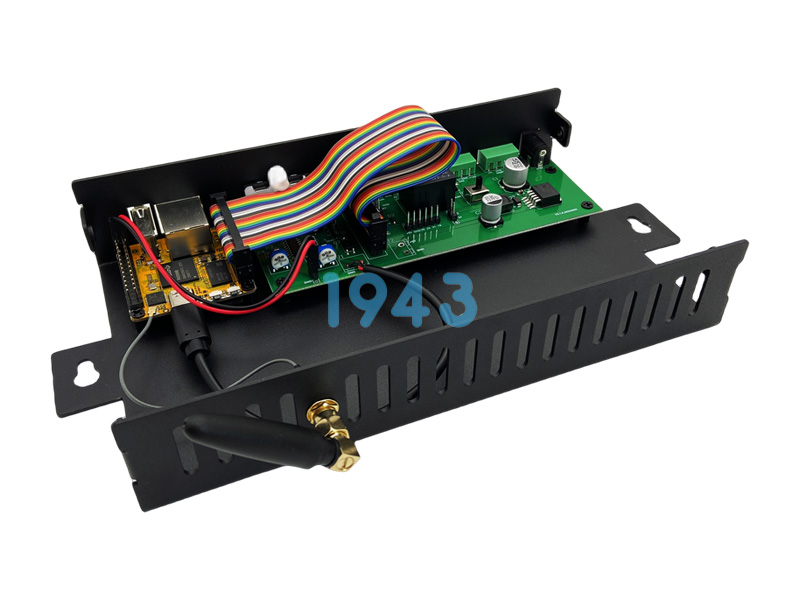

PCBA NPI Services for Low-Volume High-Mix Electronics Production
Bringing a new electronic hardware design from the prototype bench to the manufacturing floor is one of the most critical phases in product development. For hardware startups, instrumentation manufacturers, and industrial IoT developers, the transition from successful bench testing to scalable production often introduces unforeseen engineering hurdles.
This is where a specialized New Product Introduction (NPI) partner focused on turnkey PCBA manufacturing becomes indispensable. By bridging the gap between design engineering and volume manufacturing, a dedicated NPI service provider ensures that design flaws, component obsolescence, and assembly bottlenecks are identified and resolved before capital is committed to large-scale production.
The Unique Challenges of Low-Volume High-Mix Electronics
Hardware development in industrial, commercial, and specialized technology sectors rarely follows a monolithic production model. Instead, engineering teams frequently iterate on designs, release specialized product variants, and build limited batches ranging from 10 to 500 units. Managing these low-volume, high-mix production schedules introduces specific operational complexities:
- Frequent Engineering Change Orders (ECOs): During the early stages of product lifecycle management, schematics and board layouts are constantly refined based on firmware testing, EMI/EMC pre-compliance results, and field feedback. Manufacturers must possess the internal agility to implement ECOs rapidly without halting the entire factory floor.
- Component Sourcing and Traceability: Procuring diverse bills of materials (BOMs) for varied product lines requires robust global supply chain networks. Sourcing genuine components from authorized distributors prevents counterfeit parts from entering the supply chain, which is critical for mission-critical industrial and IoT applications.
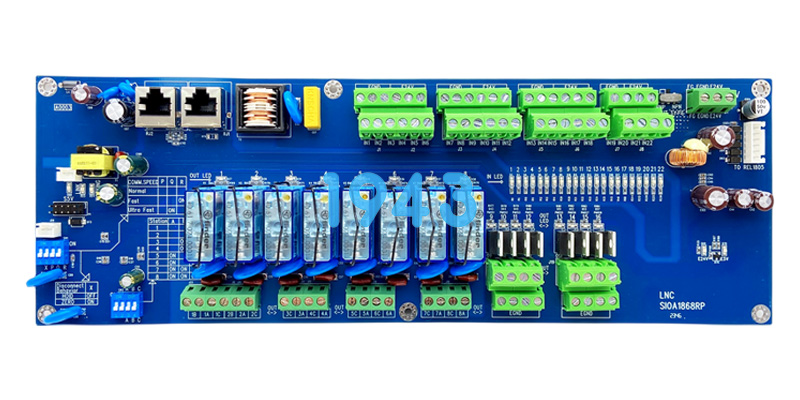
- Process Optimization for Complex Layouts: Modern printed circuit board assemblies routinely incorporate fine-pitch BGAs, QFNs, micro-vias, and rigid-flex substrates. Setting up optimal stencil designs, precise solder paste deposition parameters, and tailored reflow profiles requires rigorous engineering oversight rather than automated mass-production routines.
Core Pillars of an Effective PCBA NPI Strategy
To achieve a seamless transition from prototype validation to repeatable manufacturing, a comprehensive NPI framework must address three critical phases: Design for Manufacturability (DFM) analysis, rigorous component engineering, and advanced process verification.
1. Comprehensive Design for Manufacturability (DFM) and Test (DFT) Analysis
Before a single component is placed on a board, a thorough DFM and DFT review is essential. DFM analysis evaluates the physical layout of the PCB against standard assembly capabilities, checking for copper balancing, acid traps, solder mask clearances, and thermal relief properties. Identifying tombstoning risks, bridging potentials, and insufficient thermal dissipation paths during the layout phase prevents costly PCB respins. Concurrently, DFT planning ensures that test points are strategically positioned to facilitate automated optical inspection (AOI), X-ray inspection for hidden solder joints, and in-circuit testing (ICT) or functional testing (FCT).
2. Turnkey Component Sourcing and Risk Mitigation
In a turnkey service model, the manufacturing partner manages the entire procurement lifecycle. For low-volume and specialized applications, supply chain volatility is a constant risk. An experienced NPI provider actively monitors component lifecycle status, lead times, and lifecycle forecasts. If a specific microcontroller or passive component enters an end-of-life (EOL) status or faces an extended lead time, proactive lifecycle management allows engineers to approve vetted form-fit-function alternatives early, avoiding production stalls. Furthermore, rigorous incoming quality control (IQC) inspects passive and active components using microscopic verification and X-ray testing to guarantee authenticity.
3. Advanced Surface Mount Technology (SMT) and Through-Hole Assembly Execution
Precision placement and soldering form the physical foundation of reliable electronics. Low-volume NPI manufacturing requires highly configurable SMT lines capable of rapid changeovers without sacrificing placement accuracy. Advanced pick-and-place equipment must handle miniature components such as 0101 metric packages alongside large connectors and power modules. Following placement, controlled convection reflow soldering with real-time thermal profiling ensures intermetallic compound formation is optimized for each specific board thickness and copper weight, minimizing thermal stress on sensitive semiconductor devices.
Ensuring Quality through Rigorous Inspection and Testing
Building a functional prototype is only the first milestone; verifying its long-term reliability under operational stress is equally vital. Standardized inspection protocols for industrial and commercial PCBA manufacturing incorporate multiple layers of quality assurance:
-
Automated Optical Inspection (AOI): High-resolution optical systems inspect surface-mount components for correct placement, polarity, skew, and solder fillet formation immediately following reflow.
-
X-Ray Inspection (AXI): Essential for inspecting bottom-terminated components such as BGAs, LGAs, and QFNs where optical cameras cannot view hidden solder joints. AXI detects internal voids, bridging, and insufficient solder volume.
-
Functional Testing (FCT): Custom test jigs developed in collaboration with the client simulate real-world operating conditions, verifying electrical parameters, firmware communication, and overall system performance before shipment.
Collaborative Engineering Partnership for Hardware Innovators
Choosing a manufacturing partner for new product introduction is fundamentally a decision of alignment. For companies operating outside of high-volume consumer gadgets and automotive mass production, success depends on a manufacturer that treats every low-volume batch with the technical rigor of a major production launch. By combining turnkey material management, meticulous DFM feedback, and flexible assembly schedules, hardware teams can significantly accelerate their time-to-market while safeguarding product reliability.

Frequently Asked Questions (FAQ)
1. What is the typical minimum order quantity (MOQ) for your PCBA NPI services?
Our NPI services are specifically structured for low-volume, high-mix production, accommodating builds starting from a single prototype up to several hundred units. There are no rigid high-volume MOQs, allowing engineering teams to scale their production batches in alignment with actual market demand and testing milestones.
2. How do you handle Engineering Change Orders (ECOs) during the NPI phase?
When an ECO is issued, our engineering team immediately reviews the updated Gerber files, BOM revisions, and schematic changes. We verify component stock availability for new parts, update our SMT programming and stencil parameters, and communicate any potential lead-time or cost impacts to your project manager before executing the revised build on the shop floor.
3. What is included in your turnkey PCBA procurement service?
Our turnkey service covers the complete sourcing and management of all components specified in your Bill of Materials, including printed circuit boards, active semiconductors, passives, and specialized hardware. We manage vendor relationships, purchasing logistics, incoming quality inspection (IQC), and inventory warehousing, ensuring all parts arrive at the assembly line fully verified and ready for production.
4. What file formats are required to initiate a DFM and quotation review?
To perform a comprehensive DFM review and provide an accurate quotation, we require standard Gerber files (RS-274-X format), an ODB++ file (if available), an explicit Bill of Materials (BOM) in Excel format including manufacturer part numbers and reference designators, and any special assembly or testing instructions.
Latest information
Let the products quickly and stably realize marketization and become the global electronic intelligence innovation enabler
 2026-11-06