
Streamlining PCBA NPI for Small-Batch Prototype Manufacturing
Defining PCBA New Product Introduction (NPI)
In the realm of industrial electronics, medical devices, and telecommunications infrastructure, the transition from a validated design to mass production requires a structured, reliable methodology. PCBA New Product Introduction (NPI) serves as the critical bridge between product design completion and batch production.
For engineering teams managing high-mix, low-volume requirements, implementing a rigorous NPI workflow ensures that potential manufacturing issues are systematically identified and resolved long before full-scale production commences.
The Divergence Between Prototyping and Mass Production
A frequent misconception among R&D personnel is that a fully functional prototype indicates a flawless design ready for immediate mass production.
- Prototype Assembly Logic: During the initial R&D phase, prototype boards can undergo manual soldering, incremental adjustments, and individual testing to achieve functionality.
- Mass Production Logic: Full-scale production relies on automated machinery, strict efficiency metrics, and absolute product consistency. These two phases operate under completely different operational paradigms .
The primary function of the NPI process is to translate design files into executable manufacturing protocols before formal mass production begins. This translation process identifies latent problems in advance, ensuring that subsequent batch production runs smoothly without interruption.
Core Challenges in Industrial PCBA Assembly
Industrial PCBA manufacturing presents specific engineering difficulties that necessitate robust NPI procedures to mitigate risk.
- High-Complexity BOM Management: Industrial boards often feature a diverse range of component types and detailed specifications, placing extreme demands on procurement and material control capabilities.
- High-Precision Placement Requirements: The integration of fine-pitch integrated circuits, large-sized components, and irregularly shaped devices requires precise equipment calibration and strict process control parameters .
- New Product Transition Risks: During the R&D phase, designs may not be fully finalized. Manufacturing partners must provide engineering optimization suggestions to facilitate the smooth introduction of new products.
NPI Process Stages for Small-Batch PCBA Prototyping
An effective NPI workflow spans from R&D pilot runs to small-batch production, structured into key operational phases.
Stage 1: Design for Manufacturability (DFM) Analysis
During the initial phase, engineering teams conduct a comprehensive analysis of the PCB design files provided by the client. This step identifies design elements that may impact production efficiency, product quality, or long-term reliability. The manufacturer supplies detailed DFM reports, offering specific recommendations for component layout optimization, pad design improvements, and assembly process adjustments to enhance manufacturability from the outset.
Stage 2: Process Plan Development
Based on the specific characteristics of the product, process engineers develop detailed manufacturing procedures. This preparation includes selecting appropriate solder pastes, optimizing printing parameters, programming placement machines, verifying accuracy, and developing precise reflow soldering temperature profiles.
Stage 3: Small-Batch Prototype Verification
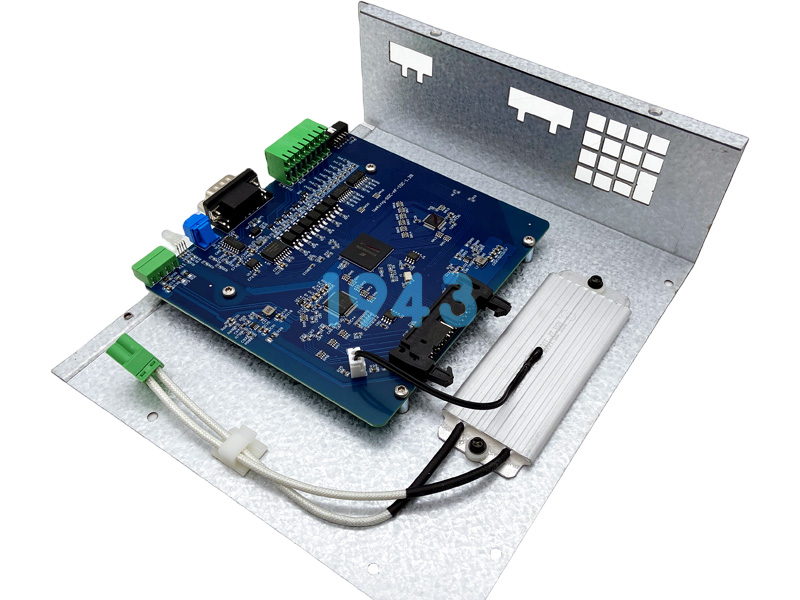
Small-batch prototyping services produce limited quantities of PCBA boards based on the client's circuit design files for comprehensive testing and validation. This approach allows designers to verify design feasibility rapidly while keeping costs significantly lower than bulk production. Throughout this trial phase, production strictly follows the established process plan, while engineering teams collect critical process data and monitor production capabilities.
Quality Assurance and Testing Protocols
To maintain product consistency, the NPI process integrates rigorous inspection methodologies at every stage of the SMT standard process flow.
- Solder Paste Inspection (SPI): Evaluates solder paste volume, thickness, and coverage immediately after printing to prevent insufficient or excessive paste application.
- Automated Optical Inspection (AOI): Detects visual defects such as component misalignment, tombstoning, and solder bridging post-reflow.
- X-Ray Inspection: Utilizes X-ray technology specifically for BGA and QFN packages to verify the integrity of hidden solder joints.
- Functional Testing: Validates the electrical performance of the assembled board to ensure it meets all operational requirements.

Frequently Asked Questions (FAQ)
1. What distinguishes high-mix low-volume PCBA manufacturing from standard runs?
High-mix low-volume PCBA requires flexible manufacturing systems to handle frequent line changeovers, diverse BOM profiles, and customized process setups, whereas standard runs prioritize continuous, identical production. This approach allows clients to test different configurations without committing to large inventory builds.
2. Why is NPI necessary if a prototype operates flawlessly in the lab?
A functional prototype does not guarantee manufacturability. Without NPI, hidden design issues—such as BGA via tenting omissions or incorrect component footprints—will only surface during automated mass production, leading to severe yield drops and costly rework.
3. What specific design documents must a client provide to initiate the NPI process?
Clients must supply comprehensive manufacturing data, including Gerber files, a detailed BOM list specifying all component parts, coordinate files, and any specific testing requirements to allow accurate DFM evaluation and process planning.
4. How does the NPI phase reduce overall time-to-market for industrial electronics?
By conducting rigorous DFM analysis, developing custom reflow profiles, and performing small-batch trial runs, NPI identifies and resolves manufacturing bottlenecks early. This proactive methodology prevents prolonged debugging phases during mass production, ensuring a predictable and timely product launch.
Latest information
Let the products quickly and stably realize marketization and become the global electronic intelligence innovation enabler
 2026-09-18