
Process Handoff from PCBA NPI to Volume Production
A small-batch NPI run produces more than assembled boards. It produces a set of process parameters, documented results, and corrective actions that form the basis for volume production. Without a structured handoff, the knowledge gained during NPI stays with the NPI team and is not transferred to the line that builds higher volumes. This article explains what a process handoff from PCBA NPI to volume production should include and how to avoid common gaps.
Why handoff is not automatic
NPI and volume production are often treated as separate activities. The NPI team focuses on proving the process. The volume production team focuses on throughput and cost. If the handoff is not explicit, volume production may start with different solder paste, different stencil design, different component sources, or different test limits. Any one of these changes can create defects that were not seen during the NPI run.
A process handoff is not a single meeting or a folder of documents. It is a controlled transfer of process knowledge, with acceptance criteria and verification steps. The volume production team should be able to reproduce the NPI results using the same process window.
What needs to be transferred
The core items to transfer are the approved BOM, the DFM report, the stencil design file, the reflow profile, the placement program, the inspection criteria, the test plan, and the NPI report with measured data.
The approved BOM is more than the original engineering BOM. It includes qualified alternates, approved component sources, and any changes made during NPI. If the volume production team uses an older BOM revision, the build will not match the validated process.
The stencil design file specifies aperture sizes, foil thickness, and any step areas. A different stencil can change solder paste volume and cause insufficient or excessive solder joints. The stencil used in NPI should be the reference for volume production, unless a documented change is required.
The reflow profile includes the measured graph, peak temperature, time above liquidus, and thermocouple locations. The volume production oven should be set to match this profile within defined tolerances. A new profile that looks similar may not produce the same intermetallic formation or voiding level.
The placement program includes component positions, rotations, feeder assignments, and nozzle types. If the volume line uses a different placement machine, the program may need conversion. The conversion should be verified with first article inspection before production starts.
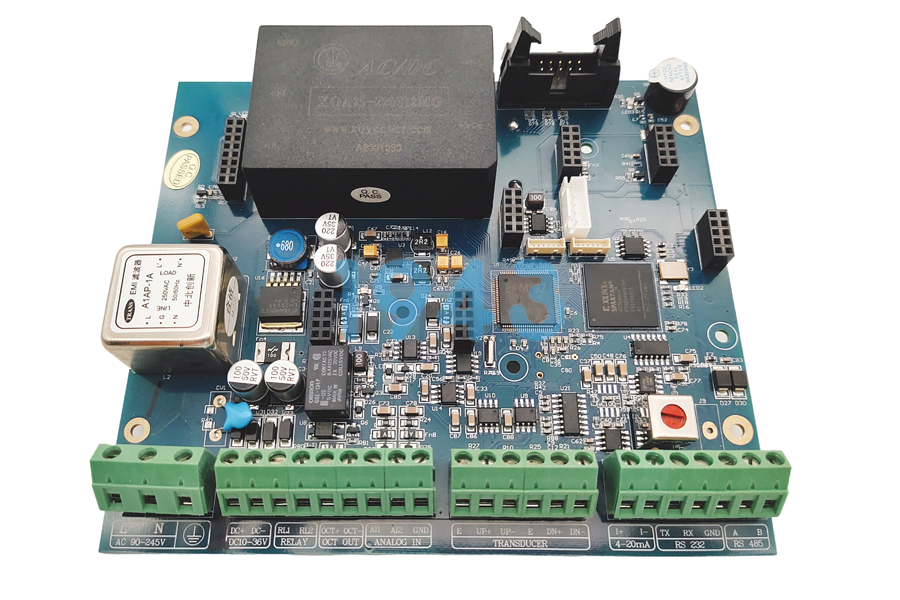
First article inspection after handoff
The first volume production run should include first article inspection just like the NPI run. The FAI compares the first boards against the documented acceptance criteria. It is not enough to assume that the process will work because it worked during NPI. Equipment differences, operator differences, and material lot changes can all shift the result.
The FAI report should be compared to the NPI report. Key measurements such as solder fillet height, paste deposit volume, and test pass rate should be within the same range. If they are not, the difference must be investigated before the run continues.
Supplier and material consistency
One of the largest sources of variation between NPI and volume production is component sourcing. During NPI, parts may be purchased in small quantities from one distributor. For volume production, the purchasing team may switch to a lower-cost source or buy larger reels. If the alternate source has slightly different package dimensions or termination material, the process may drift.
The handoff should include a list of approved component sources and any source-specific observations from NPI. If a new source is proposed, a small validation build or incoming inspection is required before full volume use.
Solder paste is another variable. NPI may use one solder paste type for fine-pitch work and another for standard boards. Volume production should use the same alloy and flux chemistry unless a controlled evaluation shows equivalent results.
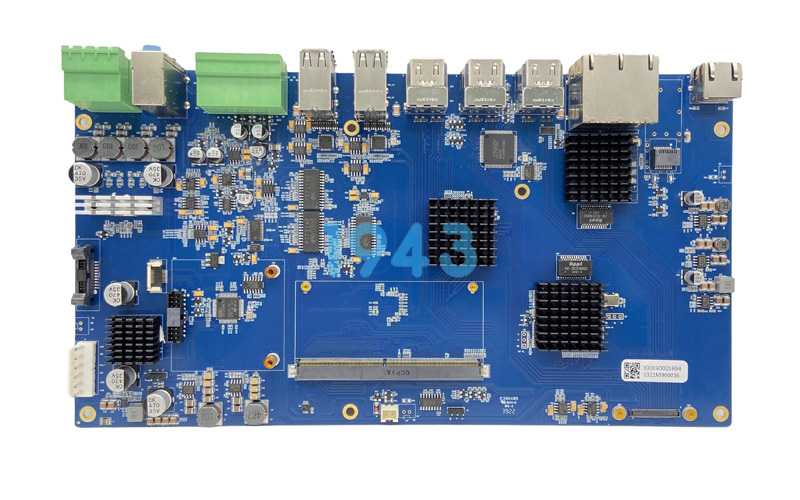
Test and inspection continuity
The test program and inspection criteria must transfer unchanged. If the volume production line uses different test equipment, the test program should be validated on that equipment. A pass on the NPI tester does not automatically translate to a pass on a different tester if the measurement methods differ.
Automated optical inspection recipes should also be transferred with the same component library and acceptance thresholds. If the volume line uses a different AOI machine, the recipe may need re-creation and validation against known defect samples.
Documentation format
The handoff package should be accessible and searchable. A single folder with Gerber files, BOM revisions, stencil files, profile graphs, test reports, and FAI records is more useful than scattered emails. The document control system should record who approved each item and when.
Shenzhen 1943 Technology Co., Ltd. documents NPI results in a for mat that can be used directly by volume production teams. The handoff package includes process parameters, measurement data, and a list of unresolved items that require follow-up. This reduces the chance of a process change going unnoticed between pilot and production.

FAQ
1. What is included in a PCBA NPI to volume production handoff package?
The package typically includes the approved BOM, DFM report, stencil design, reflow profile, placement program, inspection criteria, test plan, and the NPI report with measured data and corrective actions.
2. How is first article inspection different after handoff?
The FAI after handoff compares the volume production boards against the NPI baseline. It verifies that the process parameters and results match within defined tolerances, even if the production line or equipment is different.
3. What happens if a volume production supplier changes a component source?
The change should be reviewed against the approved component list. If the alternate source is not already qualified, a small validation build or incoming inspection is needed before full production use.
4. Does Shenzhen 1943 Technology provide documentation for volume production teams?
Yes. The NPI report is structured to be used by volume production teams, not just by engineering. Process parameters, test limits, and component sources are recorded in a controlled format that can be transferred with the build.
Latest information
Let the products quickly and stably realize marketization and become the global electronic intelligence innovation enabler
 2026-11-06